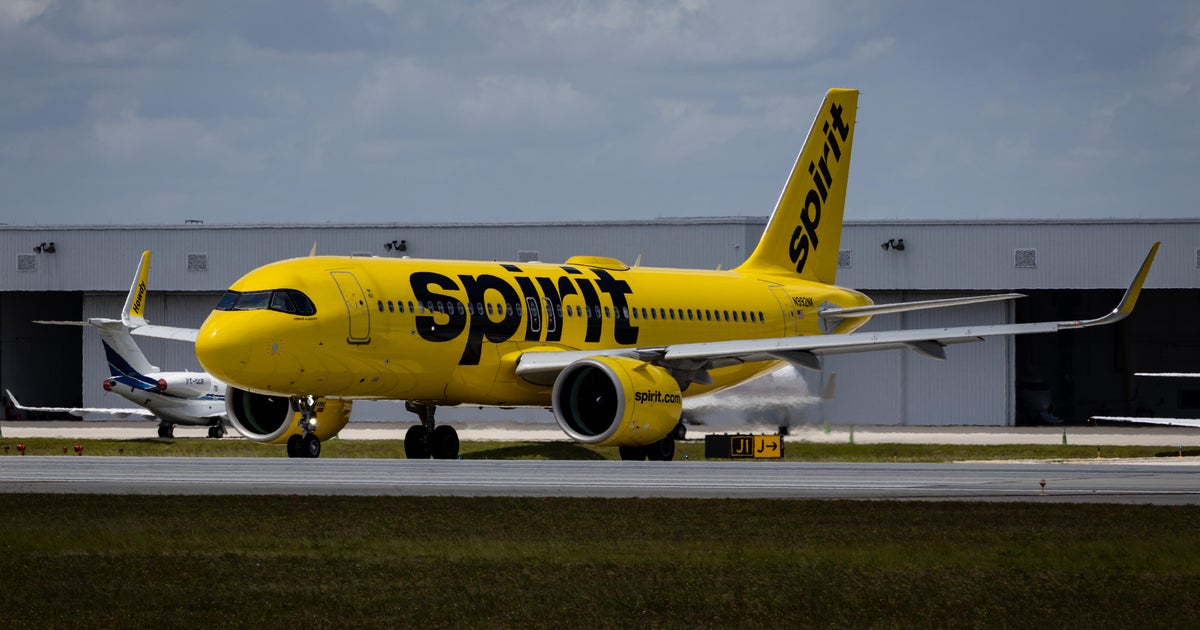
Spirit Airlines is planning to cease operations as soon as Saturday unless last-minute intervention occurs, with negotiations over a $500 million government aid package stalled and bondholders rejecting the terms. The airline's cash is expected to last only days, and management says it is still operating as usual while completing Friday flights. A shutdown would likely pressure U.S. fares and disrupt passengers across Spirit's more than 40-city network.
A cessation event here is less about one airline and more about an abrupt capacity shock into the most price-sensitive end of U.S. air travel. The second-order effect is that ultra-low-cost demand does not disappear; it migrates to the next-cheapest alternatives, which should mechanically tighten load factors and improve yield discipline for domestic carriers with overlapping short-haul networks. The cleanest beneficiaries are carriers with strong leisure exposure and manageable unit cost structures, while airports and local economies tied to the displaced traffic face near-term volume whiplash.
The credit angle matters more than the equity angle in the first 24-72 hours. A shutdown path implies extreme recovery uncertainty, which can pressure the broader distressed airline complex through mark-to-market contagion even if fundamentals differ, because bond investors will re-price the terminal value of any carrier with thin liquidity or elevated lease obligations. Expect forced selling from event-driven and risk-parity books into names perceived as funding-sensitive, creating dislocations that may not persist once the market distinguishes between solvency risk and temporary demand capture.
The biggest miss in consensus is that this is potentially bullish for pricing power faster than it is bearish for consumer demand. The budget segment tends to anchor fare expectations, so removing it can lift average fares across a route map for months, not days, especially in Florida, Caribbean, and Latin America leisure corridors. However, if the shutdown is reversed by a last-minute financing bridge, the relief trade likely unwinds hard because the market has already begun to discount a permanent supply reduction.
From a contrarian standpoint, the market may be overestimating how durable the competitive vacuum is: larger carriers may add capacity selectively on the most profitable routes, capping the uplift after the initial shock. That argues for trading the first-order impulse rather than underwriting a multi-quarter structural rerating. The best risk/reward is likely in short-dated options around peers with overlapping network exposure, where implied volatility should understate the jump in fare expectations and investor panic.
AI-powered research, real-time alerts, and portfolio analytics for institutional investors.
Request DemoOverall Sentiment
extremely negative
Sentiment Score
-0.92
