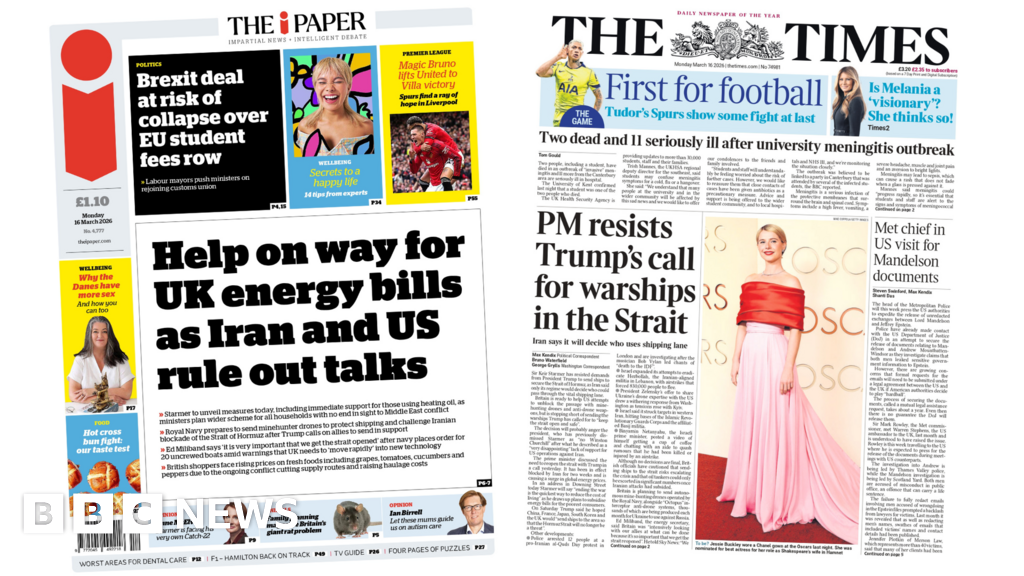
Key event: the UK plans to deploy minesweeping drones to the Strait of Hormuz rather than US-requested warships, a decision flagged as risking diplomatic friction with the US administration. India negotiated safe passage for two gas tankers from Iran, modestly reducing an immediate supply risk in the region. Domestically, ministers are preparing wider household energy-bill support and face pressure to cancel a September fuel-duty rise, creating fiscal and policy uncertainty for energy markets.
The UK’s choice to prioritise unmanned minesweeping over warship deployment is likely to lower the probability of a short, high-intensity naval clash but raise the probability of a prolonged, low-intensity disruption regime in the Gulf. That regime favours structurally higher shipping costs and insurance premiums for tankers and bulk carriers for months rather than a one-off spike, shifting value to owners with flexible routing and to firms that earn time-charter-like cashflows.
Domestically, an expanded, near-term energy support package that covers heating oil and broader household relief recalibrates the fiscal impulse: expect a front-loaded boost to disposable income that mutes downside consumer risk over the next 1-3 quarters, while pushing fiscal financing pressure into the 12–36 month window. Politically, the refusal to send surface combatants introduces a durable US-UK diplomatic swing risk — sterling and UK asset risk premia can gap wider around bilateral incidents or tariff/policy threats, compressing in the event of a diplomatic détente.
Finally, India’s success in negotiating tanker passages highlights an under-appreciated supply-side mitigant: non-Western diplomatic channels can de-escalate shipping chokepoints without Western military presence, capping extreme oil-price shocks but lengthening the tail of higher freight/insurance. The net market configuration is therefore: lower prob of a short, large oil spike but higher baseline for shipping and logistics costs for multiple quarters, benefiting asset-light shipping owners and defence/autonomy equipment suppliers while presenting tactical FX and sovereign financing headwinds for the UK.
AI-powered research, real-time alerts, and portfolio analytics for institutional investors.
Overall Sentiment
neutral
Sentiment Score
0.00
