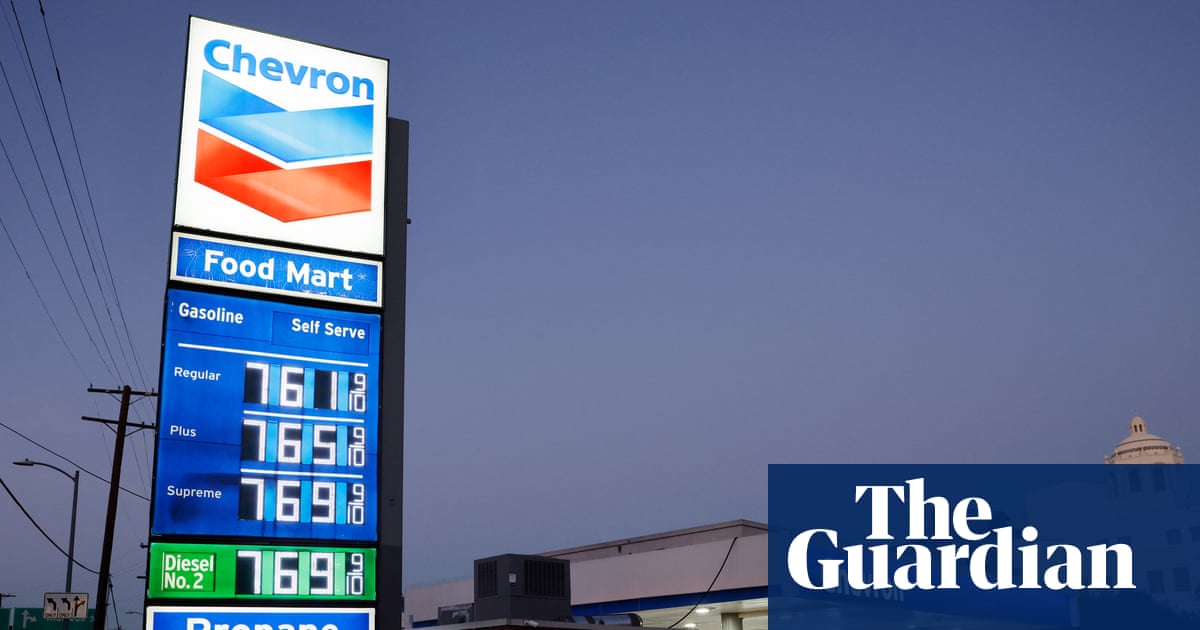
Gas prices have jumped amid the Iran conflict: California averaged $5.20/gal vs $3.47 nationally, with the national average up ~ $0.50 and California up $0.55 since the escalation. Oil topped $100/barrel as roughly 9m barrels/day are off the market and about 20m barrels/day are stranded in the Gulf, tightening supply and pushing some retail stations to $8.21/gal in Los Angeles. This creates near-term consumer pain and upward inflationary pressure on energy costs, with divergent political narratives — Trump predicting a rapid post-conflict drop while California officials blame the administration.
The immediate market response is a classic risk-premium shock concentrated on chokepoints and regional refining constraints rather than a pure demand surprise. That implies oil vol will be driven more by geopolitical headlines and insurance/freight-cost mechanics than by a steady production/demand imbalance — expect episodic gaps rather than a smooth price path, with meaningful moves on each credible de‑escalation signal.
California functions as a levered consumer outlier: its high tax/regulatory/refining-cost base amplifies transitory oil shocks into persistent retail pain, which in turn creates asymmetric second‑order effects — reduced ride-hailing usage, elevated food/transportation inflation and earlier discretionary cutbacks. Gig platforms face a profitability squeeze (higher fuel costs + lower effective trip demand) that can reduce supply elasticity of drivers and increase short-term fare volatility.
Winners are concentrated: integrated majors and traders who can capture upstream margin plus storage/transport owners who arbitrage regional differentials. Losers are local retail/consumer-facing firms in high-cost jurisdictions and gig-economy platforms with thin unit economics in high fuel-price regimes. Note also insurance and shipping equities as under-the-radar beneficiaries while West-Coast refiners remain structurally constrained.
Timeframes and catalysts — days: tactical volatility tied to strike/retaliation headlines and insurance notices; weeks: SPR releases, OPEC communications and refinery blend transitions that can blunt or amplify the shock; months: demand response and fiscal/political measures (including election rhetoric) that can flip sentiment. A credible diplomatic de‑escalation or SPR+allied releases within 4–8 weeks is the highest-probability path to a sharp risk-premium unwind.
AI-powered research, real-time alerts, and portfolio analytics for institutional investors.
Request DemoOverall Sentiment
strongly negative
Sentiment Score
-0.60
Ticker Sentiment
