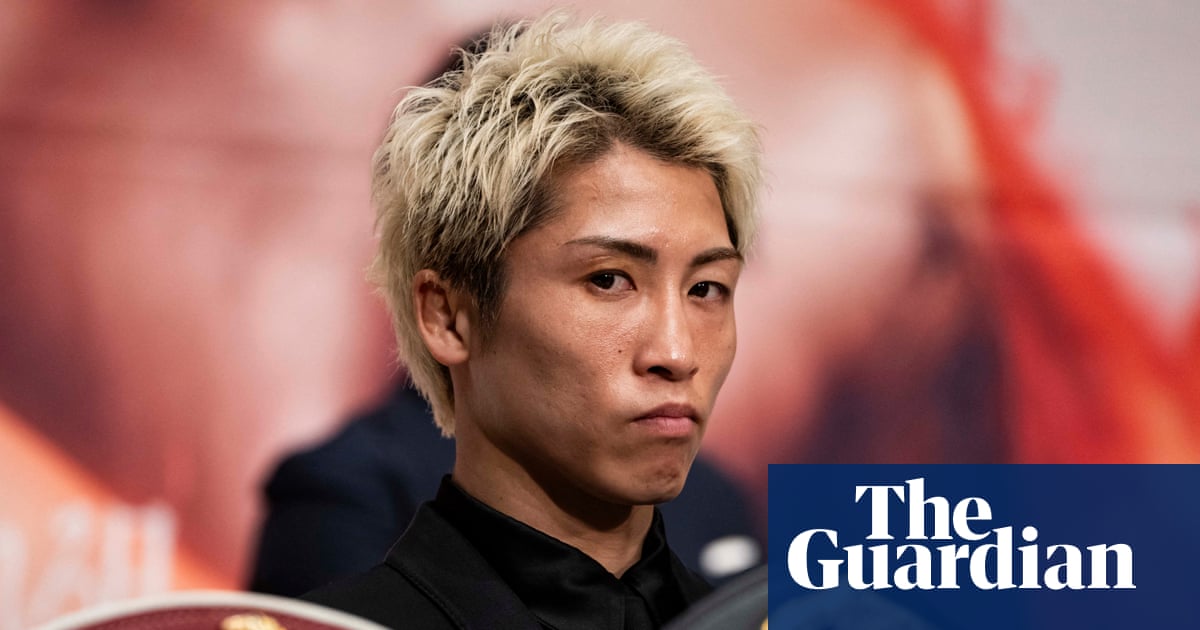
Naoya Inoue and Junto Nakatani will face off at the sold-out Tokyo Dome in a highly anticipated 32-0 vs. 32-0 matchup being billed as the biggest fight in Japanese boxing history. The event has drawn 55,000 ticket buyers and more than 100 sold-out cinema screenings, highlighting strong consumer demand and Inoue’s continued drawing power. The piece is largely promotional and narrative-driven, with limited direct market implications beyond boxing/media interest.
This is less a pure sports event than a high-conviction demand shock for premium live entertainment in Japan. The immediate winners are the ecosystem assets that monetize scarcity: broadcasters/streamers, venues, betting-adjacent media, and consumer brands attached to the fighters’ image. The sellout profile and nationwide cinema simulcast suggest the real economic signal is not just gate revenue, but proof that Japan can still create appointment viewing around local IP — a useful read-through for media companies trying to convert fragmented attention into one-time event economics.
The second-order effect is on pricing power. When an athlete becomes a national tentpole, commercial partners can push endorsement rates, and adjacent categories such as apparel, protein/health, spirits, and telecom can justify short-duration campaign spikes with unusually high conversion. For public equities, the more important implication is that Japanese consumer and media names with strong event marketing capabilities may see a higher ROI on star-led campaigns than global peers, because domestic audiences are demonstrating willingness to pay for shared live moments rather than on-demand background content.
The risk is that this is still a highly idiosyncratic, winner-take-all catalyst: if the favorite wins quickly, the narrative expands; if the bout is dull or the underdog upsets, the monetization curve flattens immediately and follow-through demand can fade within days. Over months, the question is whether this is a one-off halo or the start of a broader premium-live-entertainment cycle in Japan. The contrarian miss in consensus is likely underestimating how much of the valuation uplift comes from repeatable commercialization, not just fight-night revenue — but also overestimating how durable the hype premium is if the outcome lacks drama.
AI-powered research, real-time alerts, and portfolio analytics for institutional investors.
Request DemoOverall Sentiment
mildly positive
Sentiment Score
0.15
