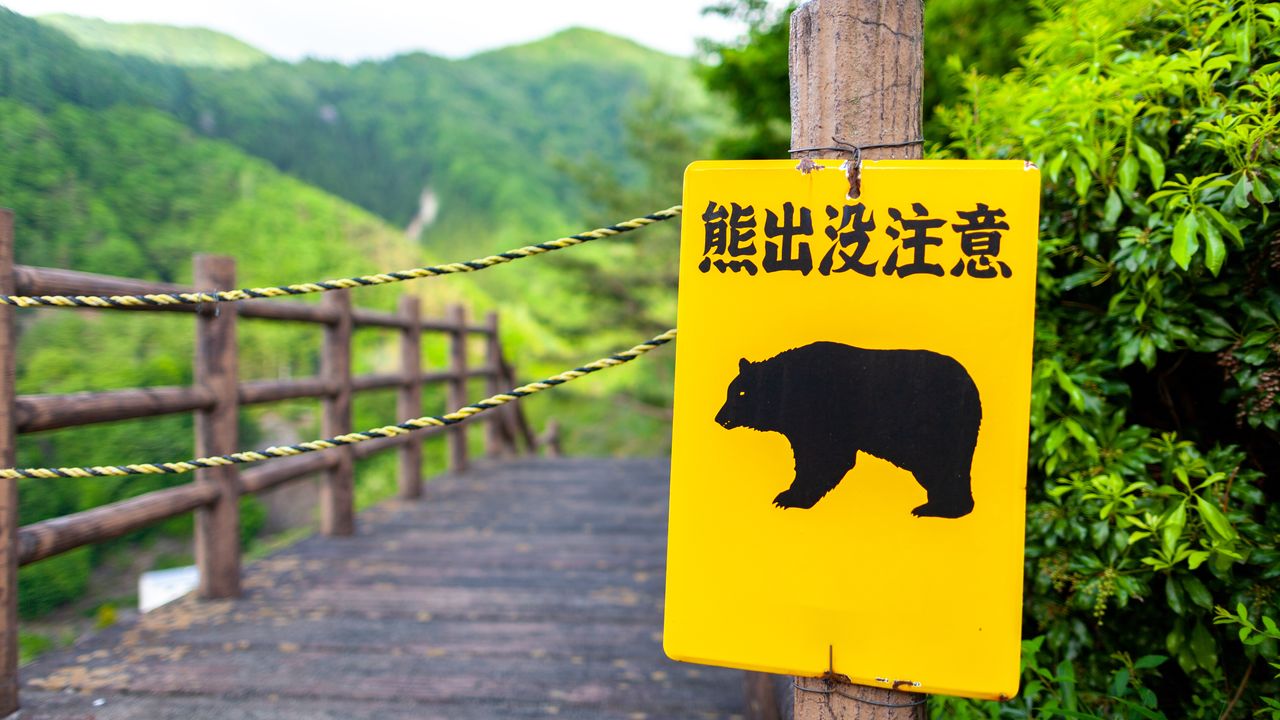
Japan recorded 216 bear-attack injury incidents in fiscal 2025, affecting 238 people and causing 13 deaths, the highest level in the past decade. Bear sightings surged to 50,359 cases, far above 24,348 in fiscal 2023 and 20,513 in fiscal 2024, prompting earlier warnings and alerts across Tohoku prefectures. The article highlights increased risks for residential areas, school routes, farmland, and outdoor recreation rather than a direct market catalyst.
This is less a wildlife story than a regional mobility and tourism friction event. The first-order hit is small, but the second-order effect is a measurable increase in “behavioral tax” on outdoor activity in northern Japan: cancellations, shorter dwell times, and higher operating costs for parks, ski-adjacent summer businesses, rail-linked sightseeing, and rural hospitality. The key nuance is that the damage is asymmetric — a few high-profile attacks can change consumer behavior faster than the actual incident rate changes, especially for domestic families and school groups.
The more investable angle is not headline risk, but the persistence of supply-side constraints in depopulated prefectures. Bears are exploiting abandoned orchards, unmanaged vegetation, and weak local monitoring, which implies this is partly a land-management problem that will not self-correct in weeks. That creates a medium-term demand tailwind for perimeter security, smart cameras, radios/sensors, municipal warning systems, and pest-control-adjacent field services; it also increases political pressure on prefectural budgets, which can crowd out discretionary tourism promotion spending.
A contrarian read: the market may overestimate the immediate broad macro impact while underestimating the local capex cycle. The biggest public response is likely to be incremental rather than transformative, but after multiple fatalities the probability of faster adoption of monitoring tech and stricter access controls rises materially over the next 1-3 quarters. The bear trend only reverses if mast/fruit availability normalizes, winter conditions change animal movement, or active removal culls become meaningfully more aggressive; none of those are quick fixes.
Net: avoid playing this as a Japan consumption macro shock. The cleaner expression is a small, thematic long in safety/monitoring beneficiaries versus a basket of exposed regional leisure names, with the latter vulnerable to repeated negative headlines into the summer travel season.
AI-powered research, real-time alerts, and portfolio analytics for institutional investors.
Request DemoOverall Sentiment
mildly negative
Sentiment Score
-0.25
