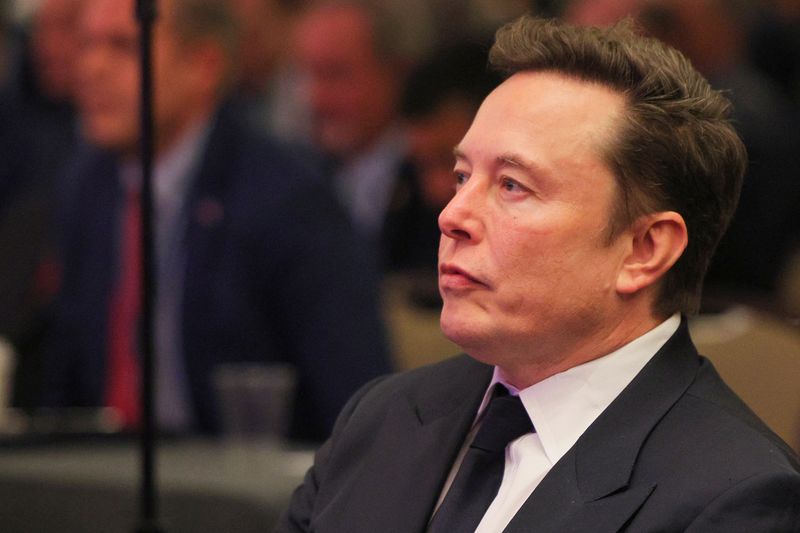
A federal judge declined to approve a $1.5 million SEC settlement with Elon Musk, asking for more detail on how the agreement was reached and whether it serves the public interest. The case stems from allegations that Musk delayed disclosure of a Twitter stake in early 2022, which the SEC says let him avoid about $150 million in higher purchase prices. The judge set a May 13 court date for the SEC and Musk’s team to propose a briefing timeline.
This is less about the dollar amount of the settlement and more about signaling risk around the current SEC’s willingness to unwind or soften enforcement narratives tied to high-profile political actors. If the judge demands a fuller record, it increases the odds of delay, revisions, or an outcome that looks less like a clean policy reset and more like a contested legal compromise — which matters because regulatory credibility is an input to every future enforcement settlement. The market implication is not broad beta; it is a modest repricing of “regulatory overhang” for platforms and founder-led names where disclosure timing and governance remain live issues.
For NDAQ specifically, the second-order effect is mixed: a softer enforcement regime can support IPO/M&A sentiment and improve risk appetite for sponsor-backed listings, but prolonged uncertainty around SEC posture can also keep the capital-markets pipeline lumpy. The bigger beneficiary is likely legal-adjacent risk-taking elsewhere in tech, as managers may infer that headline enforcement risk is becoming more negotiable under the new leadership. That should marginally compress the political-risk premium for large-cap tech, but only if this does not morph into a broader judicial rebuke of agency process.
The key catalyst window is the May 13 court appearance. Near term, the stock-level reaction should fade quickly unless the judge signals substantive concerns about collusion or public-interest defects, in which case the issue can reopen over weeks to months and spill into discovery of internal SEC decision-making. The contrarian read is that this is not a clean bullish deregulation signal: a more politicized SEC can create fewer headline actions but more unpredictable ones, which is worse for underwriting consistency than a strict but transparent rulebook.
AI-powered research, real-time alerts, and portfolio analytics for institutional investors.
Request DemoOverall Sentiment
neutral
Sentiment Score
-0.10
Ticker Sentiment
