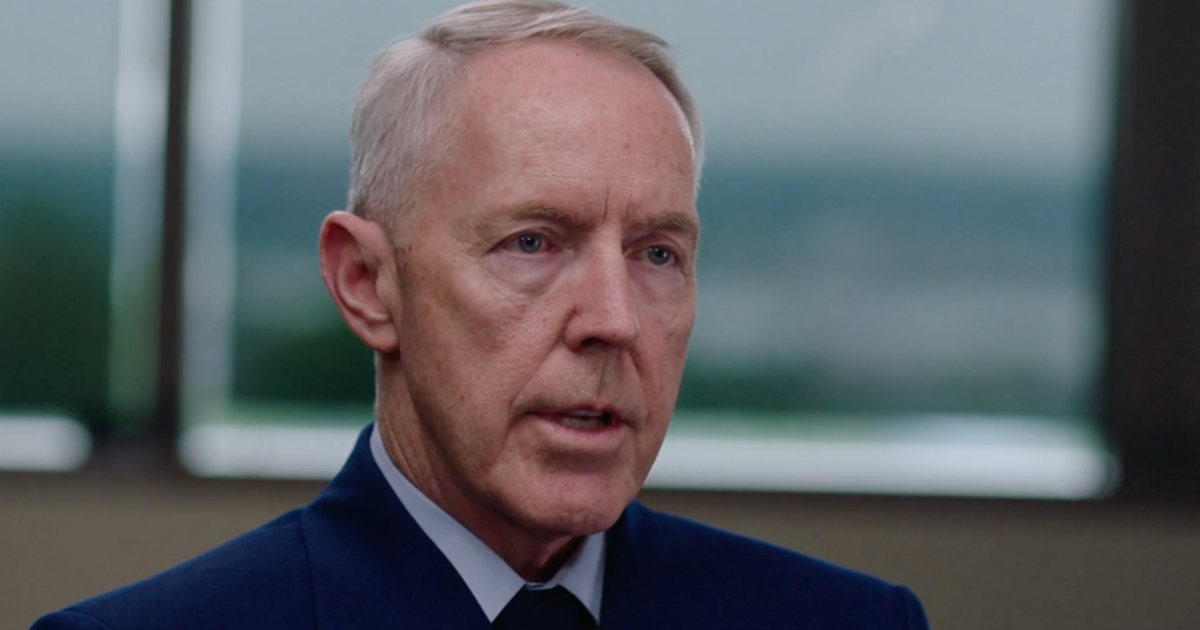
The Coast Guard says it is operating in a crisis after a 75-day DHS shutdown left it with over $300 million in unpaid obligations and $5.2 million in overdue utility bills, forcing water, gas, and power shutoffs at bases and housing worldwide. The branch will run out of funding to pay personnel on May 1, with first missed paychecks expected May 15, while about 300 personnel remain deployed in the Middle East and training has been curtailed. The shutdown is also delaying nearly 19,000 merchant mariner credentials, roughly 5,000 medical certifications, and bridge permitting, creating broad disruptions to maritime commerce and readiness.
This is not just a headline risk for the Coast Guard; it is a latent disruption to maritime throughput, permitting, and labor supply. The first-order pain is on service members, but the second-order effect is a slowdown in the machinery that keeps U.S. waterways, bridge projects, and credentialing moving, which can create knock-on delays for shippers, ports, marine contractors, and local infrastructure timelines even after funding resumes.
The market impact is likely to show up as a widening execution gap between “paper-funded” projects and actual field execution over the next 2-8 weeks. Expect bottlenecks in merchant mariner certification and medical clearances to tighten an already constrained maritime labor market, which can raise near-term wage pressure for qualified crews and favor incumbents with deeper staffing benches. The bigger hidden risk is morale-driven attrition: if experienced personnel begin exiting, the readiness hit can persist for quarters, not days.
From a policy standpoint, the key catalyst is not resolution but duration. If the shutdown stretches another 1-2 pay cycles, the operational degradation likely becomes visible in slower inspections, deferred maintenance, and more conservative decision-making around deployments and training; that is when the issue starts to matter for transportation names and defense-adjacent contractors via schedule slippage rather than direct revenue loss. A partial funding patch would relieve the most acute near-term stress, but it does not unwind the backlog or restore lost training time quickly.
The contrarian view is that the most obvious trade is to short everything “defense-adjacent,” but the better expression may be long resilience and long capacity. Companies that benefit from outsourcing, compliance backlogs, or expedited maritime services could see incremental demand; meanwhile, small regional contractors and bridge-builders with Coast Guard-dependent permitting are at risk of timing downside rather than outright cancellation.
AI-powered research, real-time alerts, and portfolio analytics for institutional investors.
Request DemoOverall Sentiment
extremely negative
Sentiment Score
-0.86
