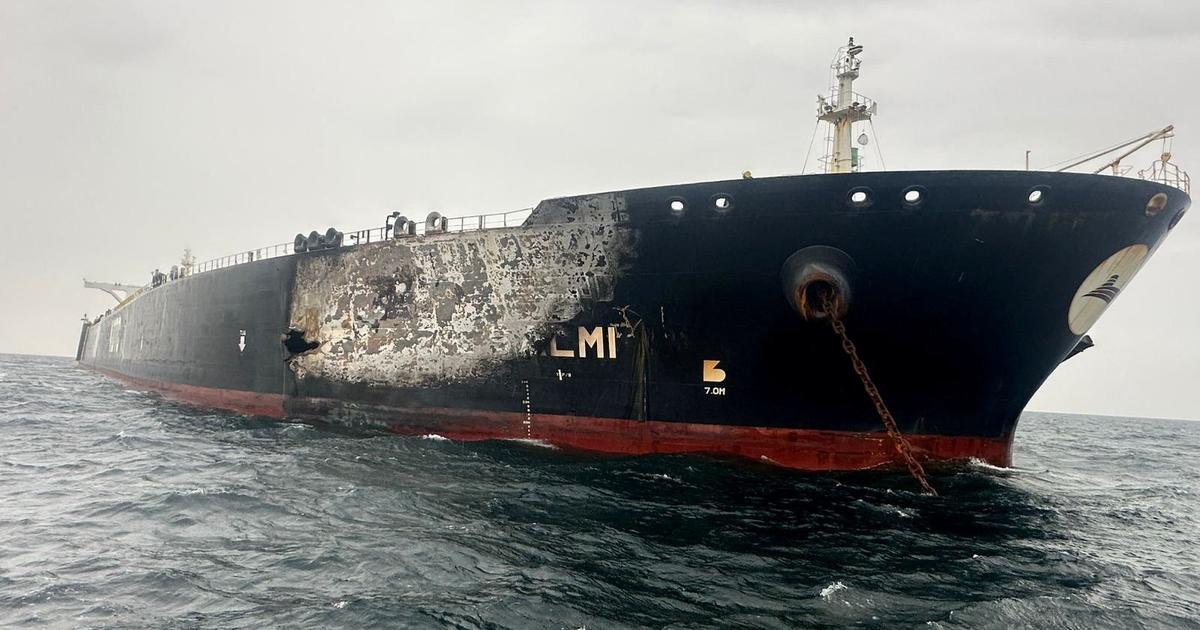
Around 300 million barrels of crude have already been lost from global balances, with 11.5 million barrels per day of Gulf production still shut in and roughly 187 tankers carrying 170 million barrels stranded inside the Gulf. Even after the ceasefire, oil prices are expected to remain near $90 as the Strait of Hormuz disruption and IRGC interference keep supply flows far below prewar levels. The article argues Gulf exporters will need major pipeline expansions and alternative routes to reduce dependence on Hormuz, underscoring a significant geopolitical supply shock for energy markets.
The key market error is treating the ceasefire as a normalization event when it is really a shift from kinetic shock to administrative chokehold. The supply loss is no longer just a headline risk premium; it is a physical inventory and logistics problem that can keep prompt barrels tight for weeks even without further escalation. That means backwardation and freight/insurance distortions can persist after front-month crude cools, keeping refiners and traders paying up for certainty rather than absolute barrel scarcity. The second-order winners are not just Gulf producers with spare capacity, but the owners of non-Hormuz optionality. Any asset that can move molecules outside the strait gains strategic value: Red Sea access, Mediterranean outlets, floating storage, and pipeline bottlenecks that can be monetized via tariff power. The underappreciated loser is Asian importers with the least flexibility in cargo sourcing; they face the worst mix of higher landed costs, delayed arrivals, and less ability to substitute grades, which should pressure refiners before it shows up in headline CPI. Over the next 2-6 weeks, the most likely trade is not a straight-line oil spike but a vol/freight/insurance repricing as stranded cargoes clear slowly and rerouting persists. Over 3-12 months, the real catalyst is capital allocation: once governments and national oil companies commit to bypass infrastructure, the market starts pricing a structural reduction in Hormuz dependence, which is supportive for regional midstream buildout and for contractors with cross-border project execution capability. The contrarian risk is that diplomatic enforcement rapidly restores transit discipline; if that happens, the premium collapses faster than physical balances normalize, leaving crowded longs exposed. Consensus is likely underestimating how sticky the risk premium becomes once shipping behavior changes. Even if missiles stop, insurers, charterers, and crew behavior do not instantly revert, and that lag can matter more than barrels in the ground. The move is therefore partially overdone in spot terms but underdone in infrastructure and logistics terms, where the market has not yet priced a multi-year re-rating of non-Hormuz corridors.
AI-powered research, real-time alerts, and portfolio analytics for institutional investors.
Request DemoOverall Sentiment
strongly negative
Sentiment Score
-0.72
