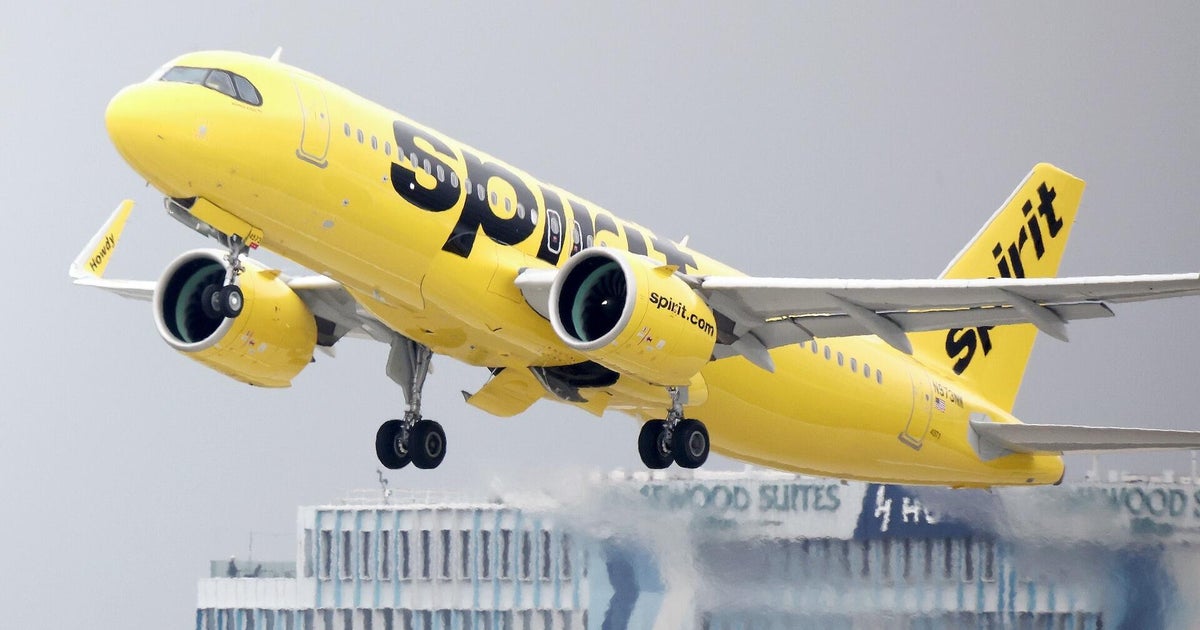
Spirit Airlines remains under severe pressure after filing for Chapter 11 bankruptcy protection for the second time in less than a year, with Trump suggesting possible federal assistance and urging a buyer to step in for the 14,000-employee carrier. Higher jet fuel costs, with oil briefly above $100 a barrel and fuel prices doubling in some markets, have added fresh strain to an already weakened balance sheet. The union says there is no definitive decision to halt operations, but liquidation concerns are growing.
ULCC is no longer just an idiosyncratic restructuring story; it has become a policy optionality trade with a weak balance sheet attached. The key second-order effect is that any government backstop, even if framed as temporary liquidity support, could artificially extend capacity in a segment where fare discipline has already been eroding, pressuring unit economics across domestic leisure routes. That is bearish for higher-cost incumbents on the margin because it delays rational capacity reset, but even more important it keeps aircraft, crew, and airport slots tied up in a low-return operator rather than being reallocated through a cleaner bankruptcy sale.
The cleanest winners are likely less the named airline peers and more the capital structure trades around ULCC itself: secured lenders, DIP providers, and aircraft lessors. A policy-assisted outcome would likely favor creditors over equity, but it also increases the odds of a messy, slower process that burns optionality value over the next 1-3 months. The market should also price in spillover risk to fuel-sensitive regional and leisure carriers if the broader oil move persists, because the current shock is hitting the weakest fare structures first and can force promotional response elsewhere.
The contrarian angle is that a rescue narrative may be overstated relative to actual political appetite. Washington has precedent for emergency airline support, but doing so for an ultra-low-cost carrier after two restructurings is politically less straightforward than protecting systemically important connectivity; that makes a full rescue less likely than a narrow, conditional bridge that still leaves equity impaired. If crude retraces over the next several weeks, the insolvency clock could slow meaningfully; if not, the risk is that a ‘support review’ simply buys time before a more punitive restructuring, not a true stabilization.
AI-powered research, real-time alerts, and portfolio analytics for institutional investors.
Request TrialOverall Sentiment
strongly negative
Sentiment Score
-0.80
Ticker Sentiment
