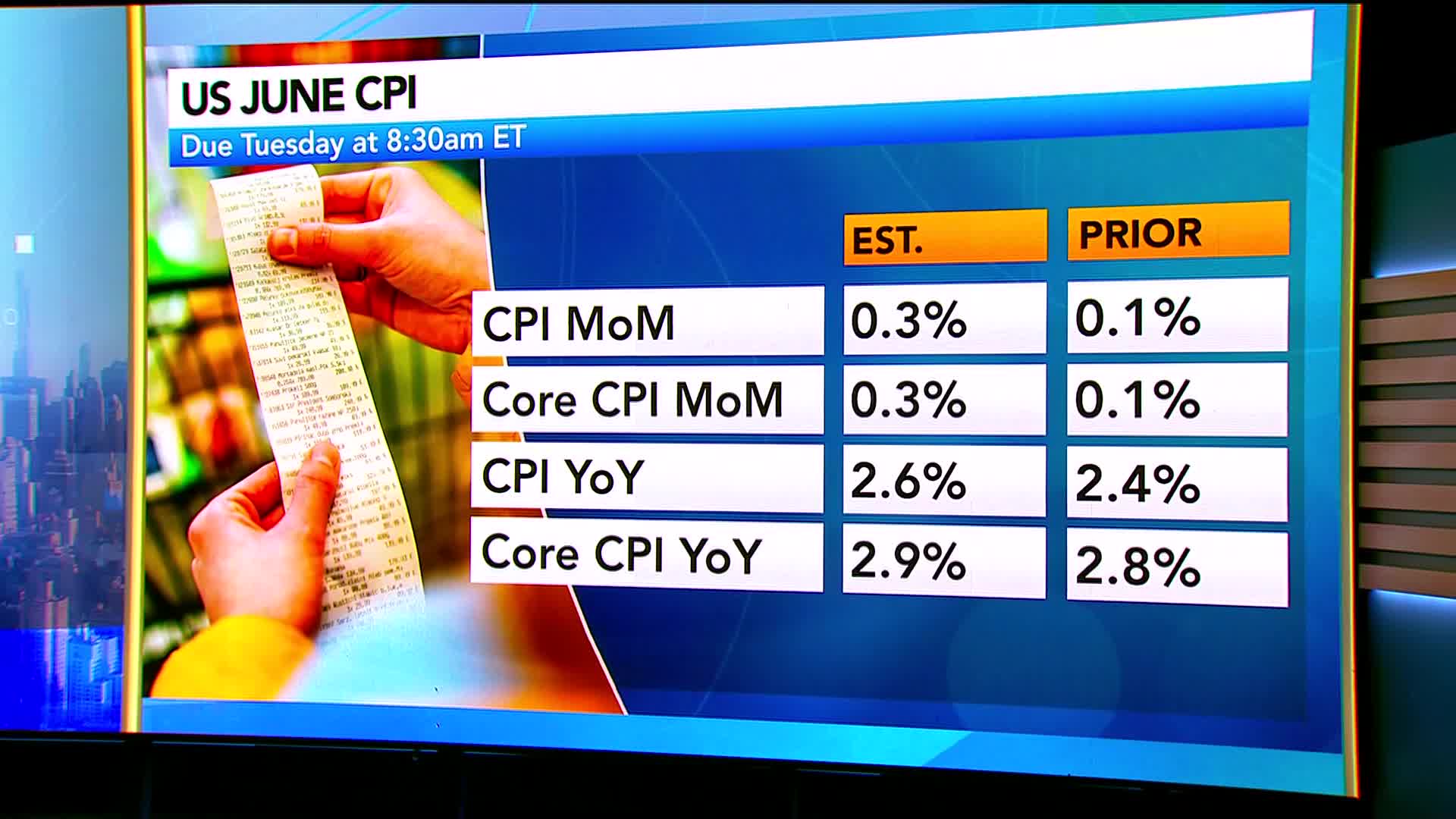
Bank of America's Cabana forecasts that upcoming Consumer Price Index (CPI) data will reveal early indications of inflation driven by recent tariffs. This projection signals a potential new source of inflationary pressure, which could influence monetary policy decisions and corporate profitability.
Bank of America's analyst, Cabana, has issued a forward-looking statement indicating that forthcoming Consumer Price Index (CPI) data is expected to show initial evidence of inflation stemming from recent tariffs. This forecast introduces a significant variable for markets, suggesting a new source of price pressure that could complicate the disinflationary trend and potentially influence future monetary policy decisions. The expectation of tariff-driven inflation carries a moderately negative and cautious undertone for the broader economy, as it could erode corporate profitability for companies unable to pass on increased costs and impact consumer purchasing power. This analyst insight shifts focus to the composition of inflation, specifically highlighting trade policy as a direct and measurable input into key economic data.
AI-powered research, real-time alerts, and portfolio analytics for institutional investors.
Request DemoOverall Sentiment
moderately negative
Sentiment Score
-0.40
Ticker Sentiment
