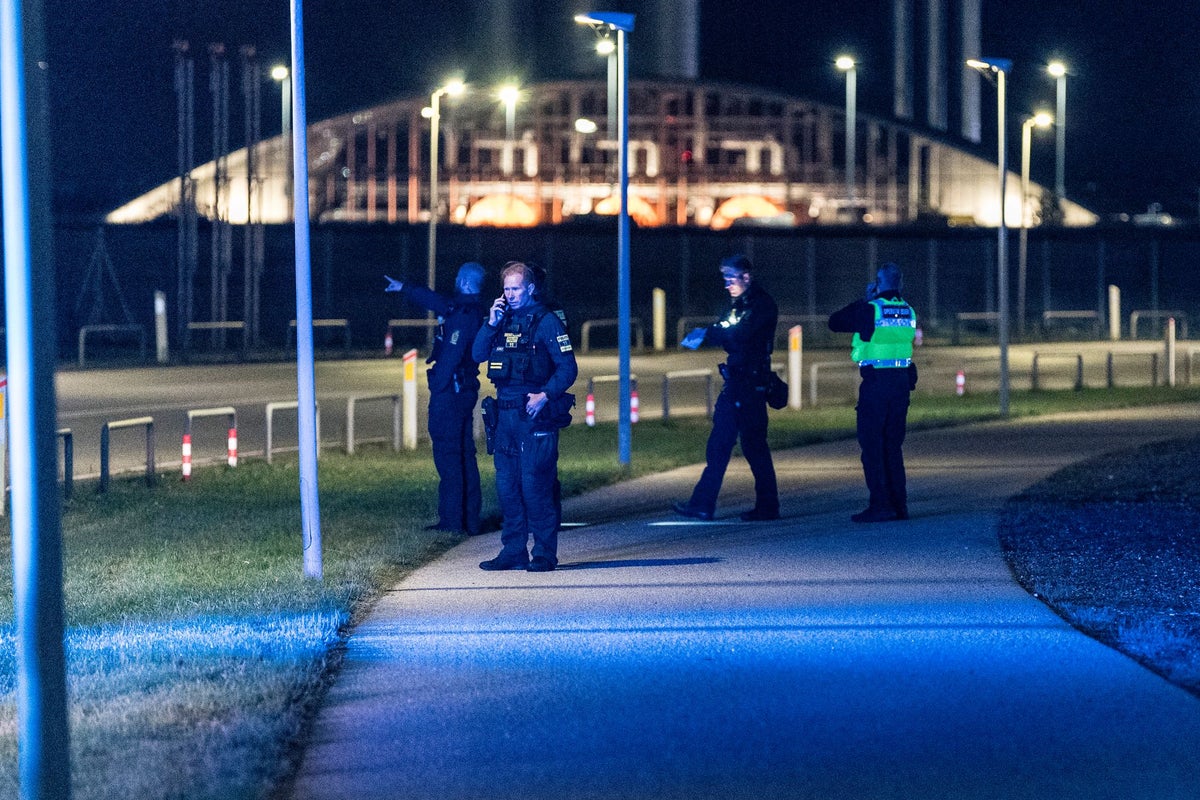
Russian Foreign Minister Sergey Lavrov, addressing the UN General Assembly, denied any Russian intent to attack Europe or NATO, while simultaneously asserting Russia's readiness for a "decisive response" to aggression and outlining terms for Ukraine negotiations that preclude a return to 2022 borders. These diplomatic overtures and warnings are set against a backdrop of escalating regional tensions, with unidentified drone incursions forcing Danish airport closures and sightings near critical infrastructure in Denmark, Lithuania, and Finland. European officials attribute these incidents to "hybrid attacks" by a "professional actor" amid suspicions of Russian involvement, intensifying security concerns in Northern Europe.
A significant divergence is evident between Russia's official diplomatic posture and its perceived actions, creating a climate of heightened uncertainty and geopolitical risk in Northern Europe. While Russian Foreign Minister Sergey Lavrov articulated a denial of any intent to attack NATO or EU nations at the UN General Assembly, this was paired with a stern warning of a "decisive response" to any perceived aggression. Critically, his stated openness to negotiations with Ukraine explicitly rules out a return to pre-invasion borders, signaling a hardline stance. This rhetoric contrasts sharply with concurrent events, including multiple unidentified drone incursions over critical infrastructure in Denmark, Lithuania, and Finland. Danish officials have labeled these incidents, which forced airport closures, as a "hybrid attack" by a "professional actor," with suspicion falling on Russia. These actions, coupled with Russian military aircraft prompting NATO jet scrambles near Latvia, suggest a pattern of deniable escalation and intimidation that directly undermines regional security and Lavrov's disavowals.
AI-powered research, real-time alerts, and portfolio analytics for institutional investors.
Request DemoOverall Sentiment
moderately negative
Sentiment Score
-0.50
