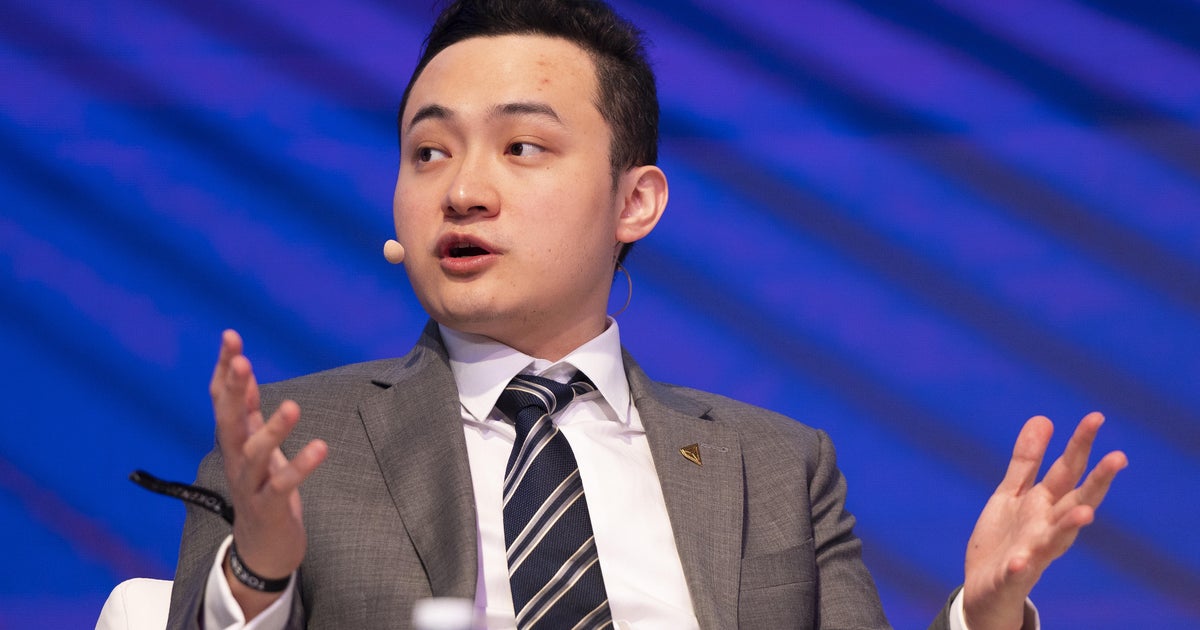
Justin Sun has sued World Liberty Financial in California federal court, alleging the Trump-linked crypto venture illegally froze his tokens worth up to $1 billion and tried to pressure him to invest hundreds of millions more into USD1, its stablecoin. Sun claims he was blocked from selling tokens, stripped of governance rights, and threatened with token burns, while World Liberty CEO Zach Witkoff called the allegations meritless and said the firm acted to protect itself and users. The dispute adds legal and reputational risk to a high-profile crypto project tied to President Trump and could weigh on sentiment around Trump-affiliated digital assets.
This is less about one token dispute and more about the market repricing the “political sponsor premium” embedded in Trump-linked crypto. When counterparties start litigating over frozen wallets, governance rights, and alleged coercive follow-on capital calls, it raises the probability that these projects trade like lightly regulated venture vehicles rather than liquid tokens — meaning higher legal discount rates, wider bid/ask spreads, and more frequent exchange/ramp de-risking. The immediate loser is reputation liquidity: any holder depending on promotional access to retail or politically connected capital should expect a slower fundraising cadence and more adverse selection in future token placements.
The second-order effect is on TRON and adjacent crypto majors because Sun is not just a capital allocator; he is a distribution node for liquidity, exchange access, and narrative formation. A meaningful share of the ecosystem’s reflexive demand can unwind if counterparties infer that holdings in politically branded assets are subject to discretionary freeze risk. Over the next several weeks, the relevant catalyst is not the lawsuit’s merits but discovery: any disclosed internal communications around token gating, forced follow-on investment, or governance suppression could create a broader governance overhang for similar private-token structures.
The market is likely underpricing the tail risk that this accelerates regulatory attention to politically affiliated token issuances and stablecoin marketing. If that happens, the damage won’t be limited to the named entities — it would raise compliance costs for venture-style crypto projects that rely on celebrity or political branding to shortcut trust formation. In that scenario, the winners are more regulated infrastructure names and large-cap crypto assets with deeper liquidity and cleaner governance, while smaller branded tokens trade at a persistent funding penalty.
AI-powered research, real-time alerts, and portfolio analytics for institutional investors.
Request TrialOverall Sentiment
strongly negative
Sentiment Score
-0.55
Ticker Sentiment
