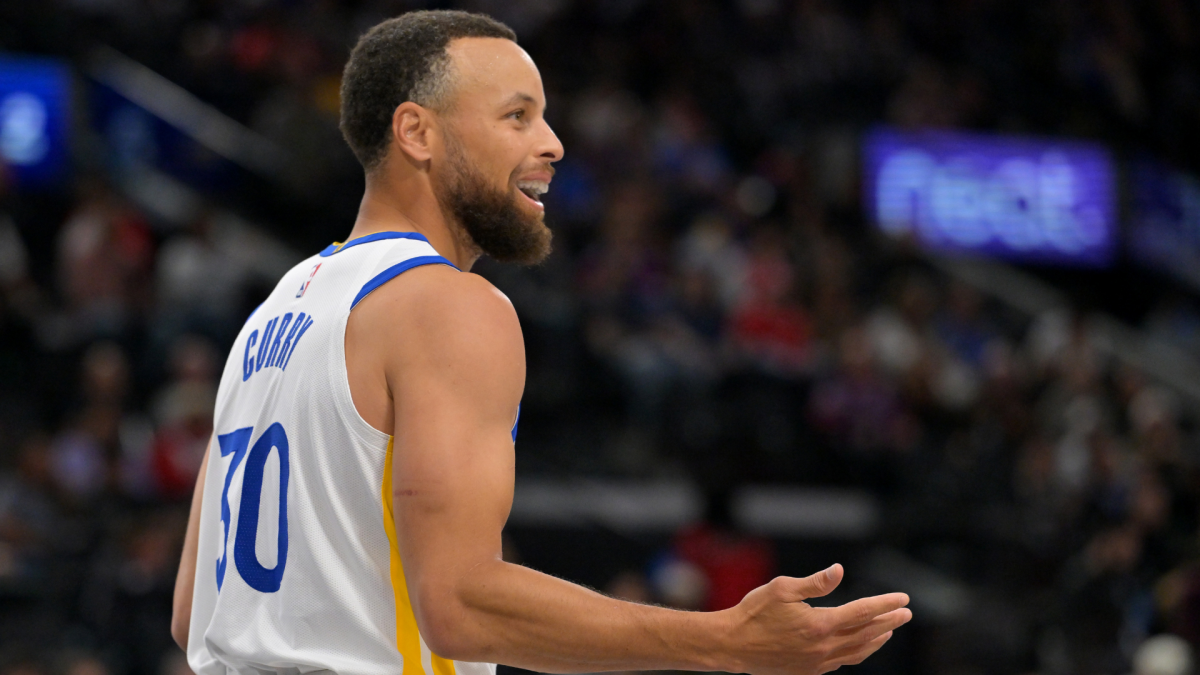
The Warriors exited the Play-In Tournament with a 111-96 loss to the Suns, underscoring a fading Curry-era roster and an offseason decision between one last all-in push or preserving the post-Curry future. The article outlines several possible paths, including a Giannis Antetokounmpo trade package built around a 2026 lottery pick, four future picks and swaps, but argues the risk likely outweighs the reward. Overall, the piece frames Golden State as a declining contender with limited flexibility and a weak championship ceiling unless it lands a major star or LeBron James signs for a discount.
The market is overfocusing on the romantic asset-cost narrative and underpricing how much of Golden State’s optionality is actually already gone. Once a team has aging stars, a thin youth base, and a likely mid-lottery outcome, the real value of preserving picks is not abstract future flexibility — it is avoiding a forced liquidation of multiple future seasons for a marginally better 2026-27 ceiling. That makes the most important second-order effect reputational: if management keeps signaling urgency without a clean superstar path, counterparties will continue to extract a premium on any win-now trade because they know the Warriors are the desperate buyer.
The most interesting asymmetry is that the team’s best conceivable outcomes are all mutually exclusive. A true superstar trade likely consumes the very assets needed to survive the post-superstar phase; a free-agent solution preserves those assets but depends entirely on a player choice they cannot control. In practical terms, that means the highest-probability value creation is not a blockbuster but a disciplined refusal to overpay: use short-duration capital on movable veterans, preserve the lottery asset, and keep the cap sheet liquid enough to pounce only if another team is forced to sell. That approach is less exciting, but it maximizes the chance that any future contending window is built on a younger core rather than another aging overlap.
The contrarian view is that the decline may be overstated in the near term. Aging cores often produce their most dangerous stretch in a single season when health normalizes and role clarity improves, so the downside of “doing nothing” is mostly opportunity cost, not collapse. The real tail risk is not missing a title this year; it is making a one-year emotional bet that turns a fading contender into a permanently asset-starved team. The catalyst to watch is the offseason trade market: if the price for any star drops materially because rival teams are trapped by their own timeline issues, Golden State can still upgrade without mortgaging the next era.
AI-powered research, real-time alerts, and portfolio analytics for institutional investors.
Request TrialOverall Sentiment
mildly negative
Sentiment Score
-0.15
