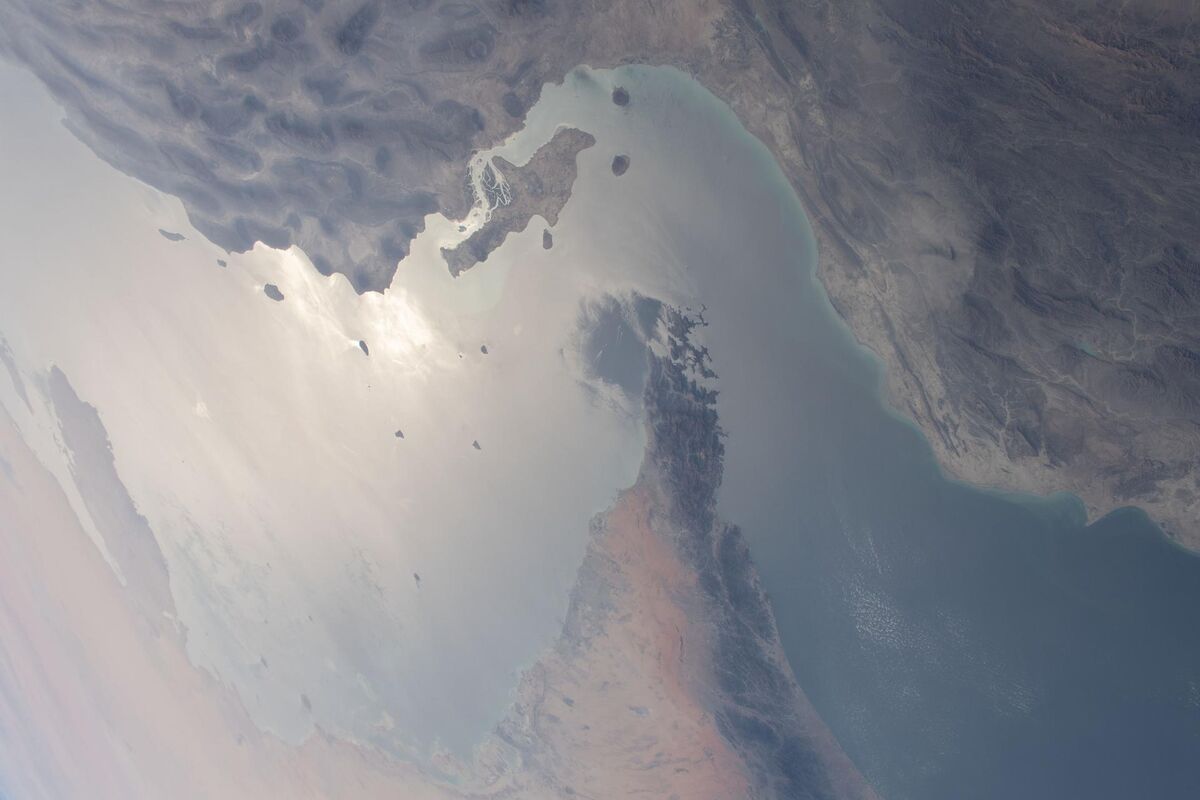
Lloyd’s of London will continue to provide insurance cover for vessels transiting the Strait of Hormuz, CEO Patrick Tiernan said, despite shipowners largely avoiding the area. Tiernan noted that demand for tanker cover through the strait is currently rare as operators prioritize safety; Lloyd’s commitment helps preserve insurance capacity and reduces the risk of insurance-driven disruption to energy and shipping flows.
The market consequence of underwriters continuing to offer cover is not binary availability — it is pricing and behavioral selection. Expect durable war-risk surcharges and selective underwriting (younger/cheaper hulls, smaller owners priced out), which will shrink effective tanker supply even if headline capacity remains. A 7–14 day reroute around Africa for some voyages or simple owner avoidance of Iran/Arab Gulf chords can cut effective fleet utilization by mid-single-digit percentages, tightening seaborne crude balances and amplifying short-term Brent volatility on the order of 5–12% if the avoidance persists for months.
Brokers and capacity providers sit in the middle: they can re-price risk quickly and monetize higher short-term spreads while avoiding ultimate loss exposure, so fee-driven players will likely see margin upside without balance-sheet stress unless a major loss event occurs. Conversely, capital-heavy owners who cannot reload on higher freight or who face gaps in war-risk cover will be forced to idled tonnage or accept longer, lower-margin voyages — a structural advantage for liquid, public tanker owners with modern VLCC fleets and strong counterparty credit.
Tail risk is concentrated: a single major strike on insured tonnage or a cascading reinsurance hit could reverse pricing from profit into panic within days, prompting withdrawal of cover and immediate freight spikes well beyond current expectations. Near-term catalysts to watch are naval escalations, a large insured loss report (days), and reinsurer quarterly commentary (weeks); de-escalation or credible naval escorts would normalize premiums over 1–3 months and compress this trade's upside.
Contrarian read: market commentary treats “cover exists” as safety — it understates that underwriting cutouts and selectivity matter more than blanket availability. That implies a multi-month window where rates and insurer profits diverge: insurers/brokers earn asymmetric near-term upside while casualty exposure to a large loss remains the principal, low-probability hedgehog risk.
AI-powered research, real-time alerts, and portfolio analytics for institutional investors.
Request DemoOverall Sentiment
neutral
Sentiment Score
0.05
