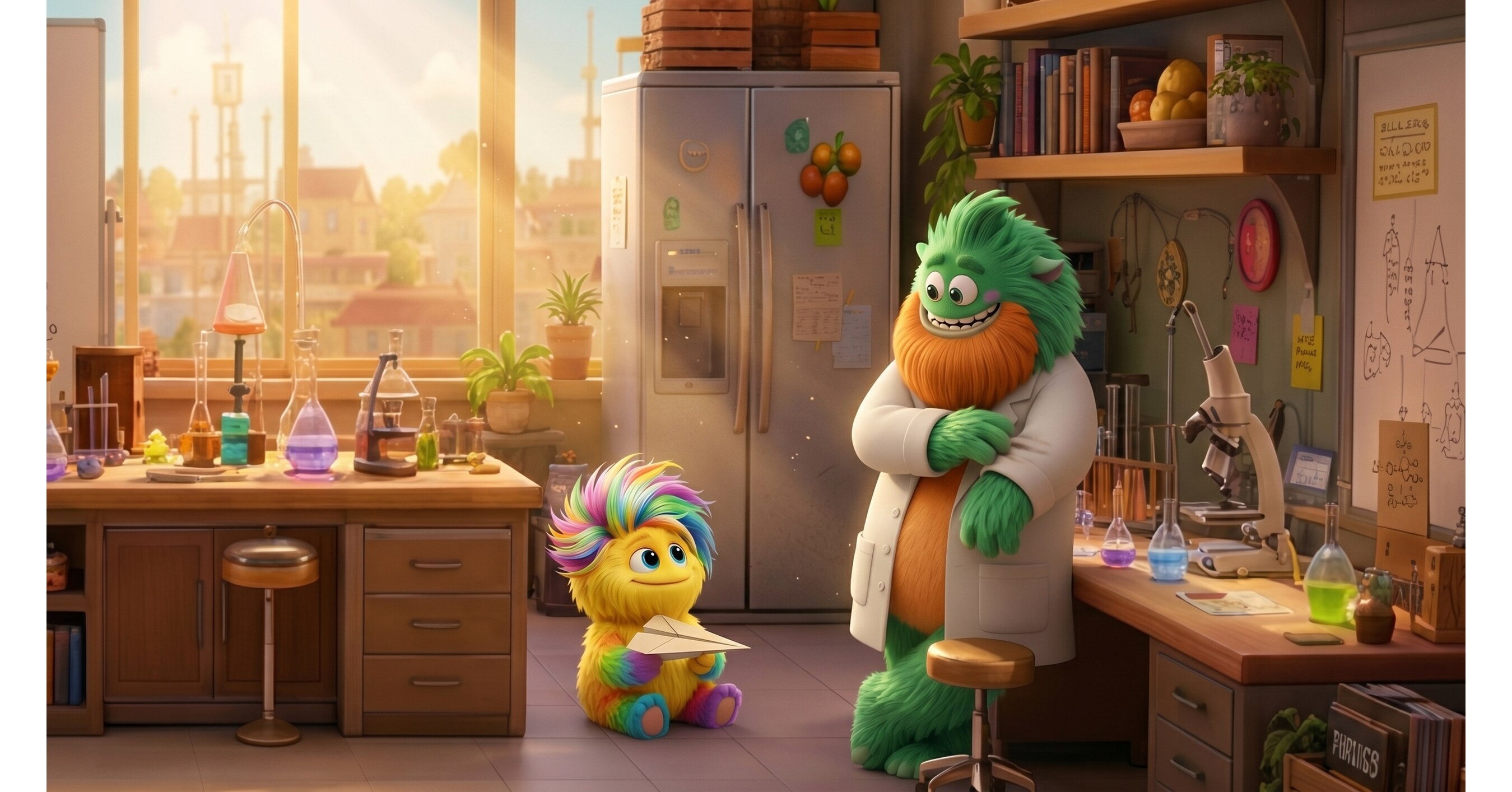
IvyBears (Kinder-/Familien-IP) meldet nach dem Start animierter Inhalte im Mai 2026 über 2,5 Mio. YouTube-Abonnenten und 40 Mio. kumulierte Aufrufe; die neue Folge „IvyBears Kapitel 3: The Stolen Idol“ erzielte 3 Mio. Aufrufe in drei Tagen. Bis Q4 2026 sollen sieben Episoden als erste Staffel für internationale Ausstrahlung/Lizenzierung bereitstehen, ergänzt um den Edutainment-Spin-off „The Dr. Muppy Show“. Die Nachricht ist insgesamt wachstums- und produktgetrieben, dürfte aber kurzfristig nur begrenzten Preisimpuls haben.
This is not a near-term earnings catalyst for GOOGL, but it is a useful datapoint on YouTube’s structural advantage: independent kids IP can now validate demand on-platform before any linear/streaming licensing economics kick in. That favors Google’s low-CAPEX media model because it captures watch time, ad inventory, and search/discovery without owning the content risk that burdens Disney, Netflix, or Paramount.
Second-order, the real winner is the “creator-to-franchise” pathway: brands can use YouTube as a cheap demand test, then monetize through merchandise and distribution elsewhere. If this becomes a repeatable pattern, it slightly weakens the moat of traditional kids networks and accelerates fragmentation of family viewing away from appointment TV. It also increases the value of YouTube’s recommendation engine for repeatable, high-retention content, which is more monetizable than one-off viral clips.
The counterpoint is that the market may be over-reading a promotional milestone. Kids content can spike fast and then decay unless there is sustained cadence, localization, and merchandising execution; the real test is whether retention holds over the next 1-3 months and whether the audience translates into repeat sessions, not just views. For GOOGL, the thesis only matters if family watch time shows up in broader YouTube engagement data and ad yield, otherwise this stays immaterial.
Risk wise, the main reversal is regulatory or policy friction around children’s content monetization, brand safety, or recommendation scrutiny. If YouTube engagement metrics soften or family content CPMs do not improve, any bullish read-through to GOOGL should be faded within a quarter rather than held as a structural view.
AI-powered research, real-time alerts, and portfolio analytics for institutional investors.
Request DemoOverall Sentiment
mildly positive
Sentiment Score
0.30
Ticker Sentiment
