

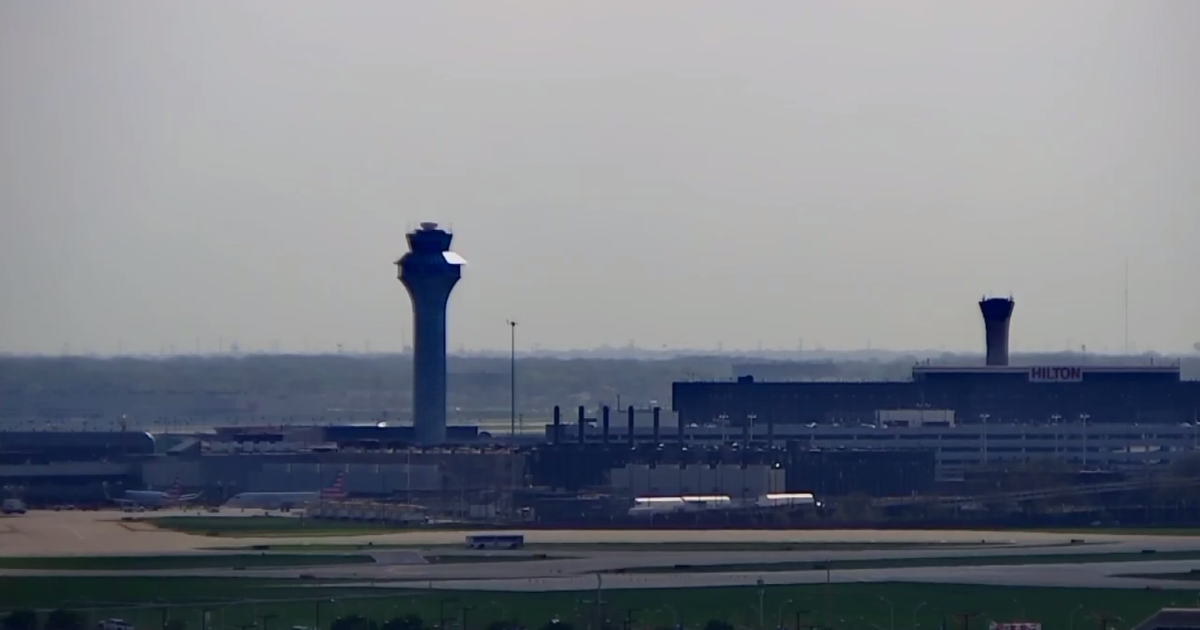
The FAA is capping Chicago O'Hare at 2,708 flights per day from May 17 to Oct. 24, trimming more than 300 planned daily flights versus the 3,080 originally scheduled for peak summer days in 2026. The move is intended to reduce delays and improve safety/efficiency, with the cap sitting above the FAA's proposed 2,608 and below the Chicago aviation department's 2,800. The decision should modestly affect airlines with major O'Hare exposure, especially American and United, but is largely framed as an operational reliability measure rather than a material profit event.
This is less about absolute capacity than about allocation power. By forcing a tighter operating ceiling at the airport, the FAA effectively makes gate scarcity more valuable, which should support the incumbent with the denser schedule and higher local relevance while pressuring the carrier that was leaning on incremental growth to win share. The second-order effect is that route economics in Chicago become more about schedule quality and connection bank integrity than raw departure count, so the airline with the stronger hub economics can preserve yield even if total seat supply is capped.
The near-term risk is that the headline relief masks execution drag: summer disruptions usually show up first in completion factor, crew utilization, and misconnections rather than in visible traffic counts. That means the true P&L impact can surface over weeks as higher reaccommodation cost and softer customer satisfaction ratings, which matter disproportionately for connecting hubs. If air traffic control staffing improves faster than expected, the market may fade the story quickly; if not, this becomes a multi-month reliability issue that keeps pressure on operating metrics into the fall.
The contrarian point is that this is not automatically bearish for the larger network carrier. A binding cap can actually reduce the chance of overbuilding the bank structure and force a more disciplined schedule, which can improve load factors and unit revenue on the surviving departures. The real loser may be the marginal competitor and regional feed network that depends on growth at the airport to justify gate economics, making this more of a share-shift event than a broad demand event.
From a trading standpoint, the market may be underpricing the asymmetry between operational credibility and capacity growth. If the cap holds and reliability improves, the beneficiary can defend premium in its Chicago franchise while the weaker operator absorbs the larger relative constraint on expansion; if delays persist, both names face short-term sentiment pressure but the one with stronger local loyalty should recover first. The key catalyst window is the first 30-45 days of implementation, when operational data will reveal whether this is a structural fix or just a temporary scheduling haircut.
AI-powered research, real-time alerts, and portfolio analytics for institutional investors.
Request TrialOverall Sentiment
neutral
Sentiment Score
-0.10
Ticker Sentiment
