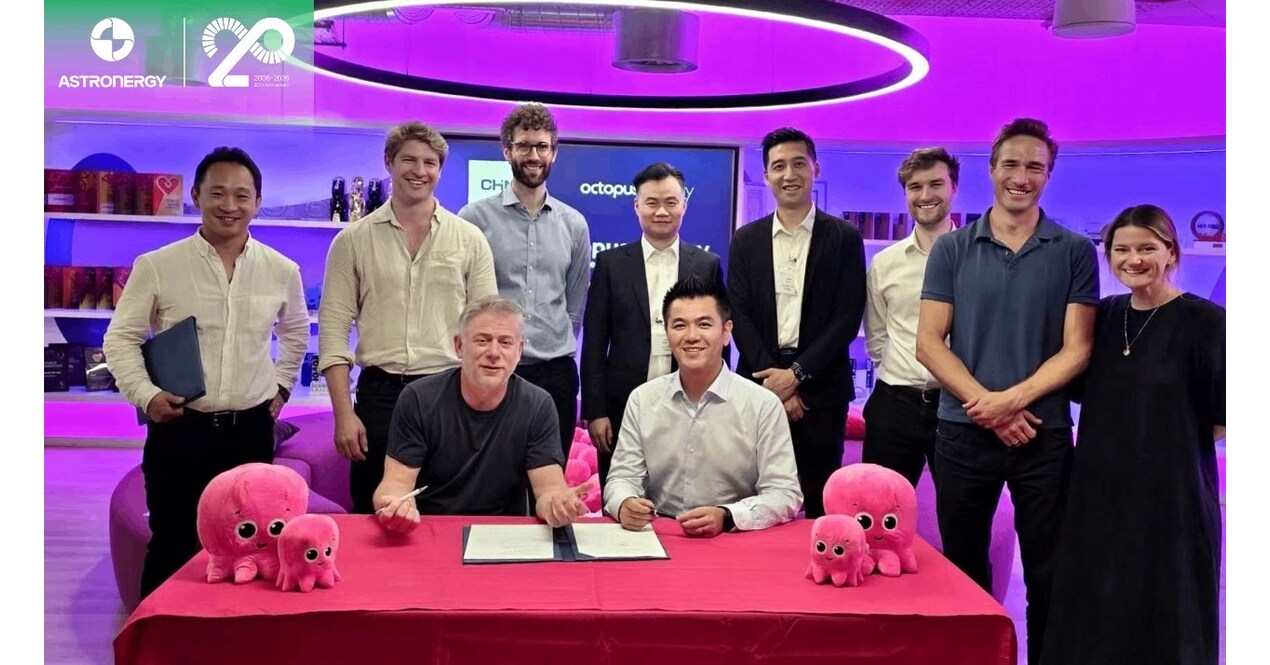
CHINT y Octopus Energy anunciaron dos memorandos de cooperación para ampliar la infraestructura de energía renovable y desarrollar centrales eléctricas virtuales (VPP). CHINT aportará una cartera de equipos (PV, inversores, BESS, transformadores, contadores inteligentes, cables y cargadores EV) y, sujeto a proyectos, servicios EPC; en paralelo, ambas empresas explorarán en China modelos de agregación de recursos distribuidos, respuesta a la demanda y gestión inteligente de energía para hacer el sistema más flexible y digital. El anuncio es positivo para la narrativa de transición energética, aunque no incluye cifras financieras inmediatas.
This reads as a validation of the integrated-stack model, not a near-term revenue event. The economic edge is in bundling hardware, EPC, and software, which can squeeze standalone inverter/storage vendors and local integrators if CHINT wins project-level share in Europe; that is a margin story more than a volume story. The VPP angle is more interesting, but in China it is gated by grid access, utility buy-in, and data integration, so any P&L impact is likely months-to-years out rather than this quarter.
The market is likely to overreact if it treats this like contracted backlog. MoUs tend to matter only when they convert into signed MW/MWh awards, disclosed capex, or recurring software fees; absent that, the announcement is mostly an option on future procurement. The cleaner public-equity read-through is for grid flexibility and metering names rather than pure solar beta: ETN, ITRI, and, to a lesser extent, NVT/NRG benefit if VPP adoption drives incremental grid capex and demand-response spend.
Contrarian view: this could actually intensify price competition in European clean-energy procurement, because CHINT can offer a more complete bundle at lower gross margin than Western point solutions. If that shows up in bids, the second-order loser is likely solar hardware and inverter names, not utilities. Thesis check: if no project awards or pilot disclosures appear within 1-2 quarters, fade the headline premium; if European wins are announced, expect a longer-duration re-rating in grid-edge beneficiaries, not in the announcement party itself.
AI-powered research, real-time alerts, and portfolio analytics for institutional investors.
Overall Sentiment
mildly positive
Sentiment Score
0.25
Ticker Sentiment
