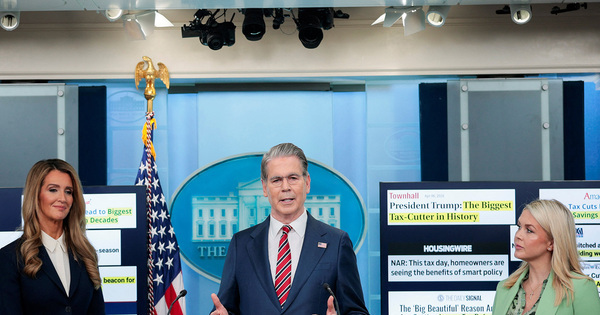
The US warned it is prepared to impose secondary sanctions on Chinese banks if Iranian money is found flowing through their accounts, and said two Chinese banks have already received Treasury letters. The warning comes alongside broader pressure on Iran and heightened tensions around the Strait of Hormuz, where disruption could affect oil flows and energy markets. The article also notes the US is signaling tougher penalties, including sanctions and tariffs of up to 50%, for countries supporting Tehran.
This is less a generic Iran headline than a direct threat to the plumbing of cross-border dollar clearing. The immediate market effect is not on Iranian assets, but on any Chinese institution with even a remote compliance linkage to sanctioned flows: the implied penalty is loss of USD access, which is existential for mid-tier banks and a material earnings overhang even for large lenders. That creates a strong incentive for Chinese banks to de-risk trade finance, tighten documentation, and delay settlement on anything adjacent to sanctioned counterparties, which can ripple into broader Asia trade credit conditions within days to weeks.
The second-order winner is the compliance stack: US-based AML/KYC vendors, sanctions-screening software, and large global custodians/clearing banks benefit as counterparties rush to prove clean flows. The loser set is broader than Chinese banks—commodity traders, ship financiers, marine insurers, and smaller regional banks will face higher friction costs as everyone upstream and downstream of the transaction chain demands more representations and collateral. In energy, the more important variable is not the threatened secondary sanctions themselves but the likely self-sanctioning response: if Chinese buyers pull back even modestly, the marginal barrel has to clear elsewhere, which supports Brent at the front end and steepens backwardation.
The biggest near-term catalyst is not a formal designation but enforcement evidence: if Treasury names even one non-systemic bank, risk controls will cascade across the region and freeze financing lines for weeks. Conversely, this trade can reverse quickly if Washington uses the threat primarily as leverage and quietly grants waivers or if China routes activity through smaller intermediaries and non-dollar channels, blunting the impact over 1-3 months. The market is probably underpricing the potential for a broad Asia credit squeeze, but overpricing the durability of the oil bid if shipping disruption resolves.
Contrarian view: the headline sounds maximalist, but secondary sanctions on large Chinese banks would be a mutually damaging escalation, so the more probable outcome is selective enforcement that changes behavior at the margin rather than fully severing flows. That means the best expression is not a full-blown geopolitical crash hedge, but a relative-value trade focused on compliance and energy transport bottlenecks rather than outright directionals.
AI-powered research, real-time alerts, and portfolio analytics for institutional investors.
Request TrialOverall Sentiment
mildly negative
Sentiment Score
-0.35
