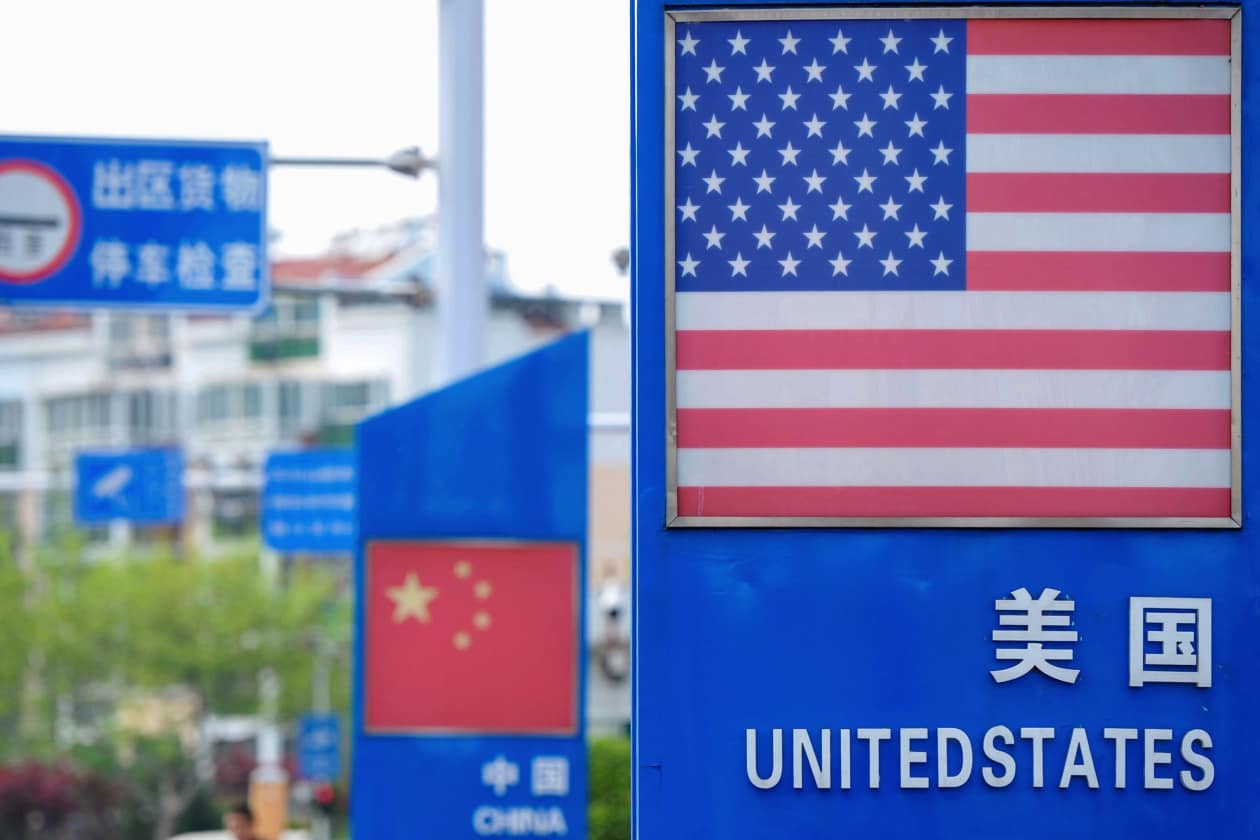
The U.S. is fundamentally shifting its trade policy to 'America Inc. 2.0,' characterized by managed trade and tariff-backed fiscal policy. President Trump's re-imposition of significant tariffs on over 20 nations, including a 25% rate on South Korean goods, underscores this move, which aims to generate revenue for the indebted U.S. government and protect domestic industries. Investors should prioritize companies with regionalized supply chains, as exemplified by Hyundai's $21 billion U.S. investment, while other free trade agreements like USMCA face increased tariff risk. Despite concerns, current data suggest these tariffs may not trigger significant domestic inflation, allowing them to serve as a key fiscal tool shaping the U.S. economic landscape.
The U.S. is undergoing a fundamental pivot from free trade to a policy of 'America Inc. 2.0,' which prioritizes managed trade, regionalized supply chains, and tariff-backed fiscal policy. This shift is solidified by President Trump's tariff letters, which effectively terminated the U.S.-Korea Free Trade Agreement (KORUS) by imposing a 25% tariff on South Korean goods. Strategic corporate responses are already evident, with Hyundai Motor Group's pre-emptive $21 billion investment in U.S. manufacturing serving as a key example of mitigating exposure to this new trade regime. While most nations face higher tariffs, Vietnam has emerged as a relative winner, securing a lower 20% rate, which has fueled a rally in the VanEck Vietnam ETF (VNM). Critically, these tariffs are positioned not only to protect domestic industry but also as a vital revenue source for a government facing over $34 trillion in debt. Despite fears of price increases, the article suggests tariff-driven inflation may be muted, citing falling import prices and recent inflation expectation surveys. However, a significant legal challenge from the Court of International Trade, which deemed the tariffs illegal, presents a material risk pending an appellate court review.
AI-powered research, real-time alerts, and portfolio analytics for institutional investors.
Overall Sentiment
strongly positive
Sentiment Score
0.70
Ticker Sentiment
