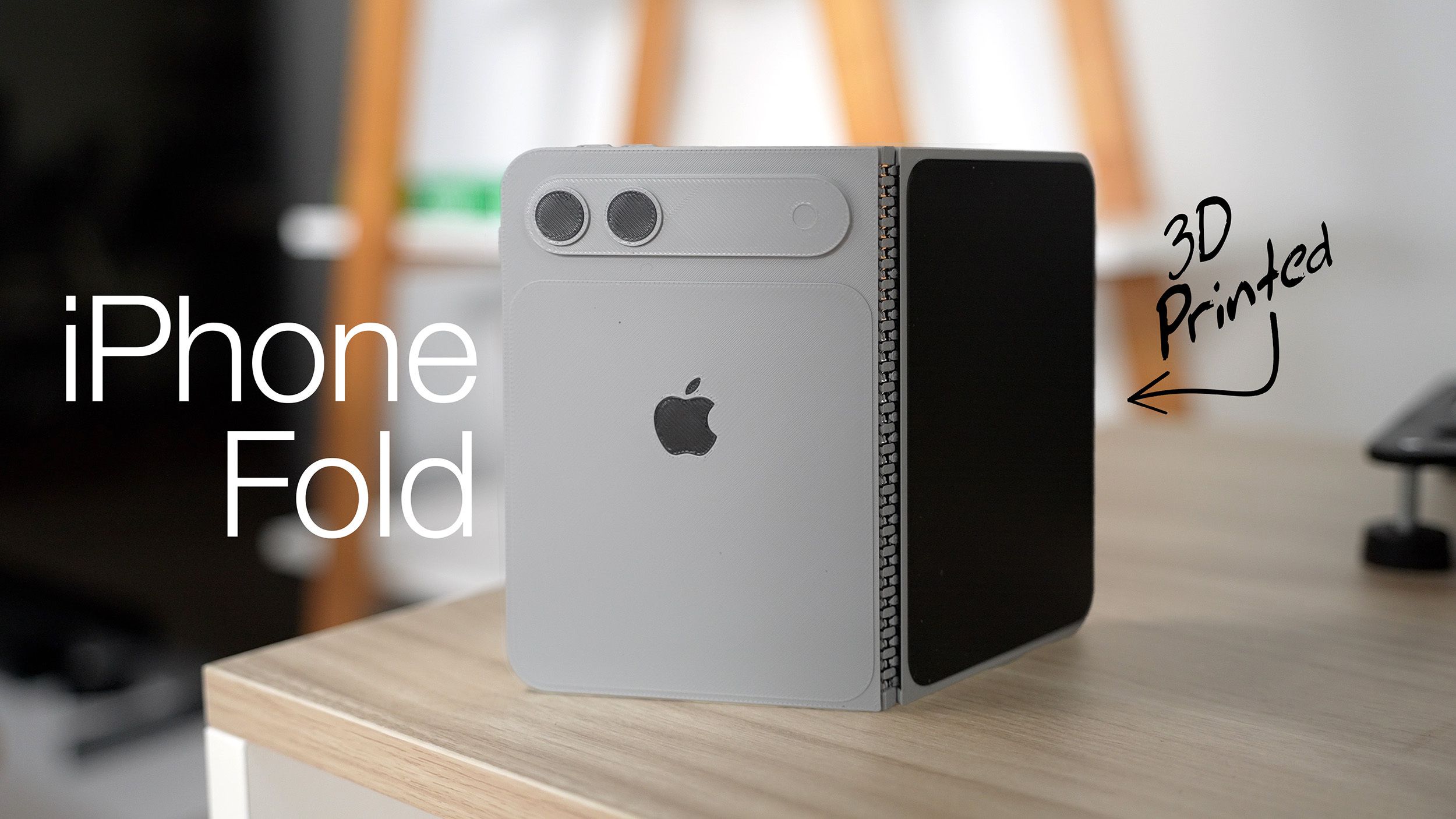
Apple's foldable iPhone is expected in September and will ship with 12GB of RAM and storage options of 256GB, 512GB and 1TB, with the top 1TB model reportedly approaching ~$3,000. Apple has abandoned an under‑display inner camera for image-quality reasons and will use hole-punch cameras on both the 7.8" inner and 5.5" outer displays, with a Dynamic Island on the outer screen; the inner UI will run iOS with iPad-like multitasking rather than iPadOS. Samsung is set to begin DRAM shipments in Q2 and reportedly negotiated substantially higher memory pricing amid AI-driven tightening, a move that could raise component costs and pressure margins or retail pricing.
The foldable launch crystallizes a high-ASP, low-volume product vector for Apple that will compress near-term unit growth while boosting mix and services optionality. If price points land materially above existing flagships (order-of-magnitude +50%–100%), expect a double effect: revenue per unit rises but adoption elasticity reduces penetration into channel segments that historically drive replacement cycles; carriers and trade-in economics will therefore determine uptake more than raw feature-set.
Memory and fabrication economics are the clearest second-order lever: sustained higher memory realizations or accelerated fab spend driven by AI/data-center demand will propagate downstream to higher smartphone BOMs, supporting equipment names and incumbent memory producers but also raising Apple’s gross-margin sensitivity to commodity swings. Conversely, any step-up in yield/factory problems or a quality-driven return wave (screen crease, imaging tradeoffs) would force promotional pricing or larger warranty reserves, compressing near-term margins.
On software/UX, running an iPhone-class OS on a tablet-sized surface lowers the probability of immediate iPad cannibalization but raises developer friction; real multitasking value will likely take several quarters to materialize and therefore won’t be a demand catalyst at launch. Regulatory, geopolitical (China/semiconductor trade) and review-cycle catalysts around launch form the binary outcomes: strong reviews + carrier subsidy design wins accelerate adoption, while quality headlines or price pushback could delay replacement cycles by 6–12 months.
AI-powered research, real-time alerts, and portfolio analytics for institutional investors.
Request DemoOverall Sentiment
mixed
Sentiment Score
0.00
Ticker Sentiment
