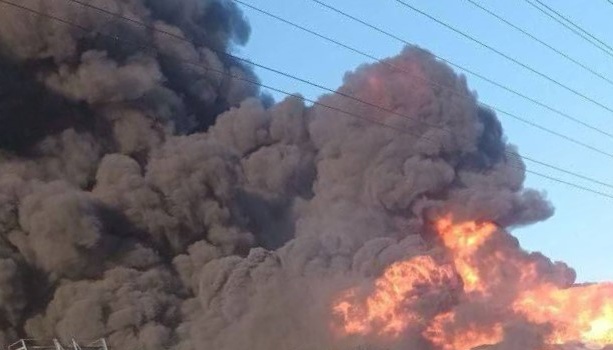
SSU drones reportedly damaged five 20,000-cubic-meter crude tanks at the Samara oil terminal, a key facility that blends high- and low-sulfur crude into Urals export grade. The strike could disrupt Russia’s export shipments, raise logistics and storage costs, and reduce oil sales revenue. The broader article also says Ukraine struck 16 enemy targets on April 16, including oil depots and air defense systems.
This is less about a one-day oil price spike and more about a steady erosion of Russia’s export reliability. When blending/storage nodes are hit, the market loses optionality: crude that is nominally produced cannot be easily standardized, pooled, or shipped on schedule, which raises friction costs and can force discounted alternative routing. The first-order beneficiary is any non-Russian crude stream that can backfill into Europe, India, and Turkey; the second-order winner is tanker and storage optionality, because disrupted loading plans increase floating inventory demand and charter duration.
The immediate pricing effect should show up more in Urals differentials than in Brent outright unless damage persists. That creates a narrower but attractive relative-value setup: if Russian logistics become less reliable, buyers demand wider discounts, while benchmark global crude may only drift higher if outages compound into actual export losses. The risk is that the market underestimates how quickly repairs and rerouting can restore flows, so the shock may fade in days if there is no follow-through on adjacent infrastructure.
The bigger medium-term catalyst is repeatability. If these strikes become a pattern, Russia’s marginal barrel gets less fungible, inventories rise domestically, and maintenance capex/losses worsen, which can translate into intermittent export cuts over weeks to months. That also increases the odds of a policy response from Moscow to protect downstream infrastructure, but retaliation risk is primarily geopolitical rather than commodity-supply constructive unless it broadens the conflict map.
Consensus may be too focused on headline oil-price upside and not enough on spread and logistics winners. In this setup, the cleaner trade is not simply long oil beta, but long the assets that benefit from tighter shipping, storage, and non-Russian replacement flows while avoiding names exposed to European feedstock disruptions.
AI-powered research, real-time alerts, and portfolio analytics for institutional investors.
Request TrialOverall Sentiment
moderately negative
Sentiment Score
-0.45
