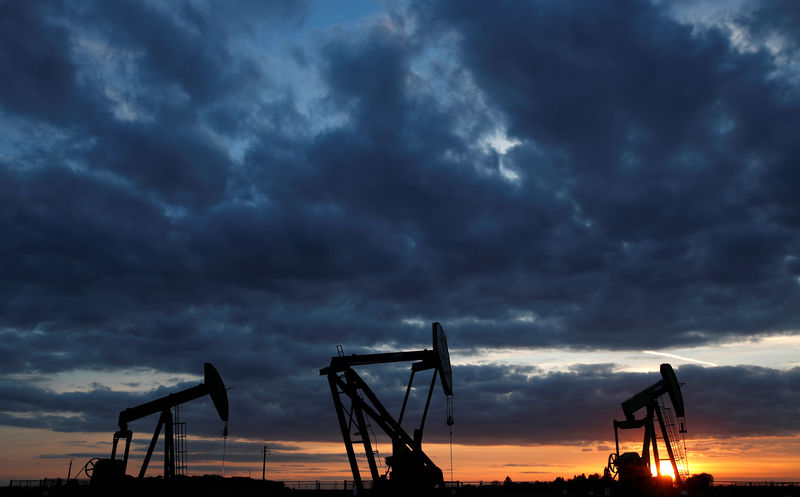
Oil rose on Thursday after fresh U.S. strikes on Iranian targets, with WTI up 1.12% to $74.34/bbl and Brent up 1.12% to $78.89/bbl, as traders rebuilt Middle East supply risk. Shipping through the Strait of Hormuz was moved to a "severe" threat level after attacks on commercial tankers, raising fears that renewed escalation could stall the Gulf export recovery. Analysts also flagged a tightness backdrop in refined products (diesel-export restrictions into July plus sizeable distillate/gasoline inventory draws), adding downside risk to the current energy rebound if disruptions intensify.
The first-order winner is not “oil beta” in the abstract but the segment with the fastest pass-through: upstream cash-flow names and tanker/insurance-linked shipping exposure. If the market begins to price even a modest probability of delayed Hormuz transits for several weeks, the forward curve can stay bid longer than spot moves suggest, which is what matters for energy equities and freight rates. Conversely, refiners and fuel-intensive transport are the cleanest losers because the tightness is in middle distillates and gasoline, not just crude.
The second-order read-through is inflation timing, not just commodity direction. A sustained move in Brent above the high-70s would keep pressure on headline inflation prints and make rate-cut narratives look too aggressive, which is negative for long-duration equities and credit-sensitive cyclicals. For banks like ANZGY, the direct earnings impact is limited, but a higher-oil/risk-off tape can widen funding spreads and tighten conditions for trade-finance and Asia-linked borrowers if the escalation persists for 1-3 months.
Contrarian takeaway: the market may be overpricing the probability-weighted duration of disruption. Geopolitical premium usually decays quickly unless there is verified physical loss of export capacity or a sustained rise in insurance premiums and rerouting days; absent that, crude can give back most of the move within 1-2 weeks. The key falsifier is not headlines but shipping data: if Hormuz transits normalize and Brent slips back below the upper-70s, this is likely a fade rather than a regime shift.
AI-powered research, real-time alerts, and portfolio analytics for institutional investors.
Overall Sentiment
mildly negative
Sentiment Score
-0.25
Ticker Sentiment
