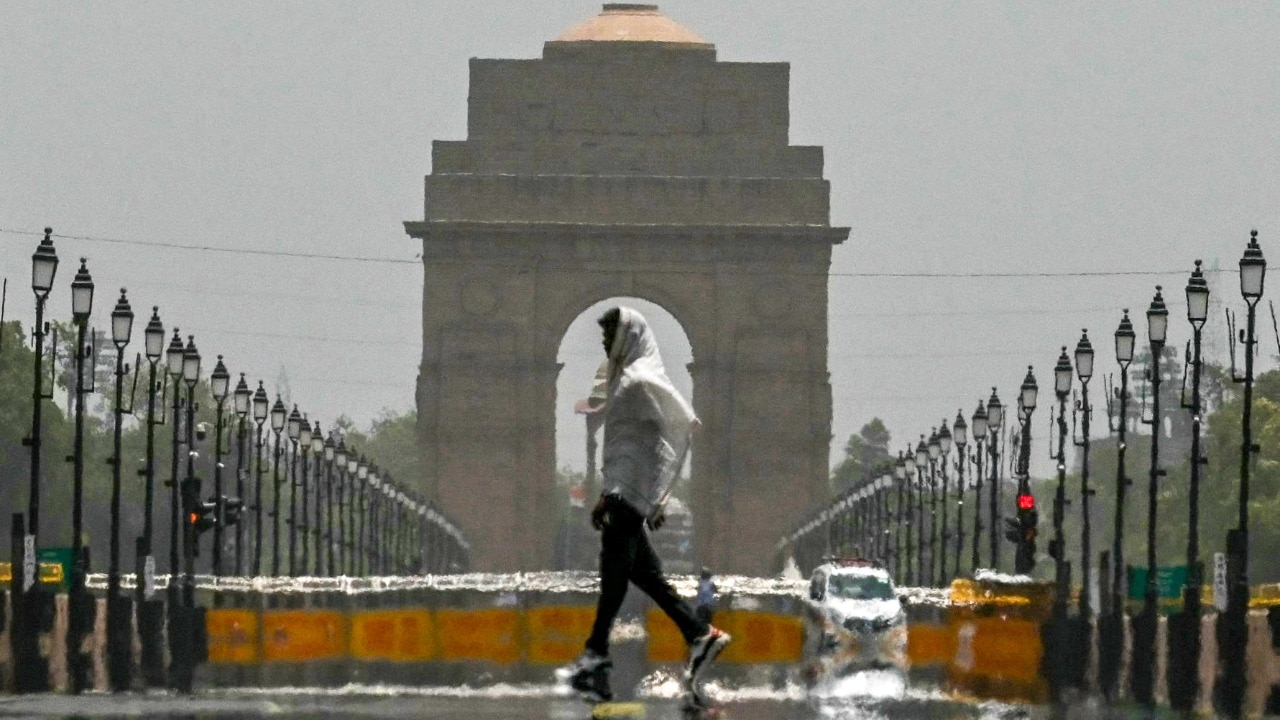
Indian cities are confronting severe economic and public health challenges due to extreme heat, exacerbated by climate change and the urban heat-island effect, which is driving increased electricity demand and reduced productivity. In response, the Indian government is undertaking significant initiatives, including the AMRUT 2.0 urban mission with over 6,100 crore rupees allocated for water-body restoration and extensive park development, alongside promoting low-tech passive cooling solutions like reflective roofs and expanded green infrastructure. This strategic focus on climate-resilient urban development signals a growing market for sustainable infrastructure and cooling technologies, while addressing critical risks to urban economies.
India is confronting a severe climate challenge, with average temperatures rising by 0.64C over the last century, exacerbated by the urban heat-island effect in cities. This leads to critical issues including increased health risks, higher electricity consumption, and reduced work productivity, particularly in major metros like Delhi and Mumbai. The escalating heat, routinely crossing 45C, is transitioning from a comfort issue to a public health and survival concern.
In response, the Indian government, through initiatives like the AMRUT 2.0 urban mission, has approved over 3,078 water-body restoration projects worth more than INR 6,100 crore and developed 2,000 parks covering 5,000 acres. These efforts, alongside the promotion of passive cooling solutions such as reflective roofs and expanded green infrastructure, aim to reduce local temperatures and mitigate the heat crisis. UNEP highlights these low-tech solutions, like the Delhi bus terminal's reflective roof, which can bounce off 80% of the sun's heat.
The strategic focus on climate-resilient urban development signals a growing market for sustainable infrastructure and cooling technologies. While dozens of cities meet the 12% green cover target and are preparing climate-action plans, the need for rapid, ground-level action remains critical. This shift implies significant investment opportunities in sectors addressing urban cooling, energy efficiency, and public health infrastructure.
AI-powered research, real-time alerts, and portfolio analytics for institutional investors.
Request DemoOverall Sentiment
mixed
Sentiment Score
0.10
