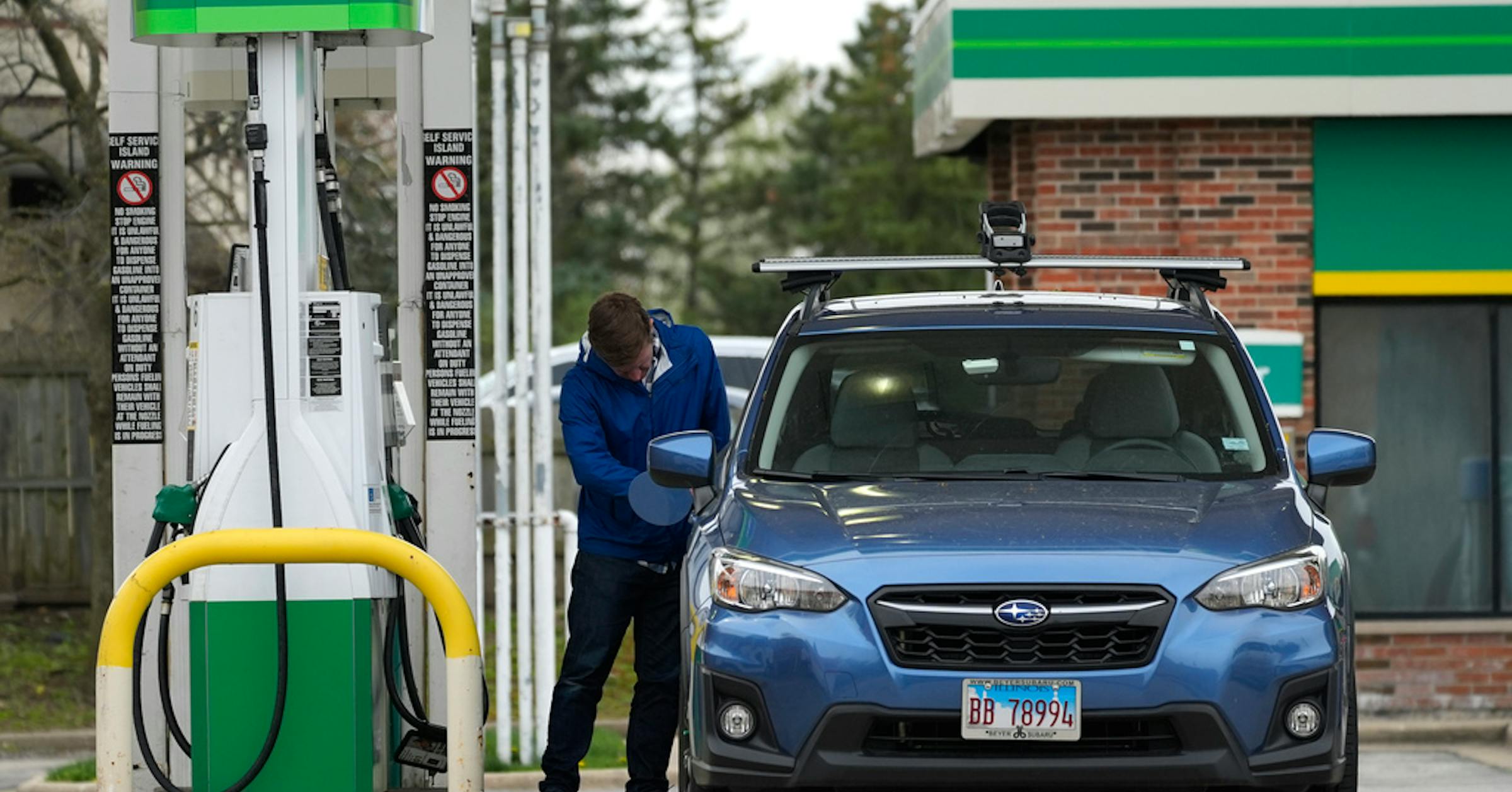
Retail gasoline prices spiked in Minnesota after a 16-cent overnight jump, with the statewide average rising from $2.83 on March 2 to $2.99 by Tuesday morning and city averages reaching $3.08–$3.14 in several population centers; the national average has risen above $3 to $3.10. Traders should note the drivers: heightened geopolitical risk from Middle East fighting and Iranian threats to shipping through the Strait of Hormuz, plus seasonal travel demand; forecasters warn prices could rise another $0.10–$0.25 in the next week or two and could reach $4/gal under prolonged conflict, a development that would pressure consumer inflation and fuel-sector dynamics.
Market structure: Higher retail gasoline (MN +$0.16 overnight; national >$3; forecast +$0.10–$0.25 in 1–2 weeks) acutely benefits upstream producers (integration/scale winners) and refiners (widening crack spreads) while compressing margins for fuel-intensive sectors (airlines, trucking, leisure). Integrated majors (XOM/CVX) gain pricing power to protect cash flow; regional independents/refiners (VLO/PSX) can see a faster margin lift if seasonal demand holds and disruptions persist.
Risk assessment: Tail risks include Strait of Hormuz escalation (low-probability, high-impact) pushing Brent to $100+ and U.S. pump prices toward $4–5/gal within weeks; conversely coordinated SPR releases/OPEC easing can erase the premium in 4–12 weeks. Hidden dependencies: refinery utilization, insurance premiums for tanker routes, futures curve shape (contango/backwardation) and two consecutive EIA inventory prints should be monitored as short-term trend validators.
Trade implications: Favor tactical long energy/ refiners and hedged short exposure to airlines (AAL, UAL) over the next 1–3 months; use call spreads on XOM/CVX or VLO to limit downside and buy put spreads on airline names to limit cost. Cross-asset: rising oil would lift breakevens and commodity FX (CAD, NOK) while forcing relative weakness in oil-importer EM currencies; expect elevated IV in energy names and wider credit spreads for travel credits.
Contrarian angles: Consensus prices in persistent geopolitical premium—but demand elasticity (higher retail prices >$3.50) and SPR interventions historically normalize spikes within 3–6 months (see 2022 pattern). If Brent falls >15% from peak or two consecutive inventory builds occur, energy longs and refiner positions should be cut quickly; the market may overprice long-dated disruption risk today.
AI-powered research, real-time alerts, and portfolio analytics for institutional investors.
Request TrialOverall Sentiment
moderately negative
Sentiment Score
-0.35
