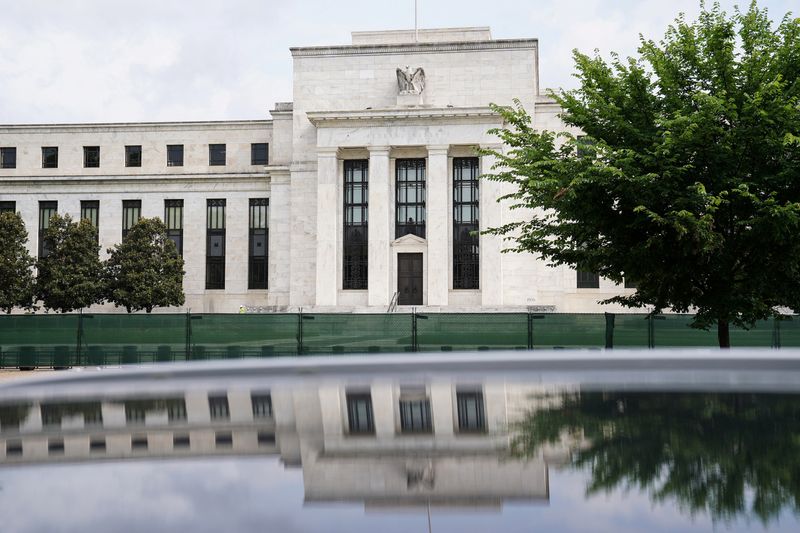
Chicago Fed President Austan Goolsbee said recent inflation data are 'bad news' for the Fed, as the PCE price index rose at a 3.5% annual rate in March. He stressed the Fed needs more evidence that price pressures are moving toward its 2% target before cutting rates, especially with inflation broadening into services and risks rising from oil prices and Middle East tensions. The Fed's recent 8-4 hold and disagreement over forward guidance underscore a more divided, cautious policy path.
The market implication is less about one hawkish comment and more about a regime shift in the policy reaction function: if the Fed is now prioritizing service-price stickiness over headline disinflation, the front end has room to reprice higher for longer while the long end remains anchored by growth concerns. That is typically bearish for rate-sensitive balance sheets and long-duration equity multiples, but the second-order effect is a widening dispersion trade: cash-rich, self-funded businesses should outperform leveraged cyclicals and unprofitable growth.
The most underappreciated consequence is that higher-for-longer rates are now interacting with geopolitical risk through energy, which is a classic stagflation setup. If oil keeps firming, the Fed’s ability to cut later in the year gets impaired, so the market may be underestimating the convexity in 2Y yields and the downside to duration-heavy assets over the next 1-3 months. Credit is also vulnerable: refinancing windows tighten first in lower-rated issuers, then spill into bank loan spreads if the policy pause extends into the autumn.
Berkshire is a signal, not the trade. A near-$400B cash hoard tells you capital preservation remains attractive versus forced deployment in a late-cycle environment, but it also gives Berkshire optionality to be a buyer if a rates shock creates a dislocation in equities or credit. The contrarian angle is that the hawkish message may already be partially priced into equities, while bonds have more room to move if inflation prints stay sticky for another 1-2 months and the Fed removes all easing language.
AI-powered research, real-time alerts, and portfolio analytics for institutional investors.
Overall Sentiment
mildly negative
Sentiment Score
-0.20
Ticker Sentiment
