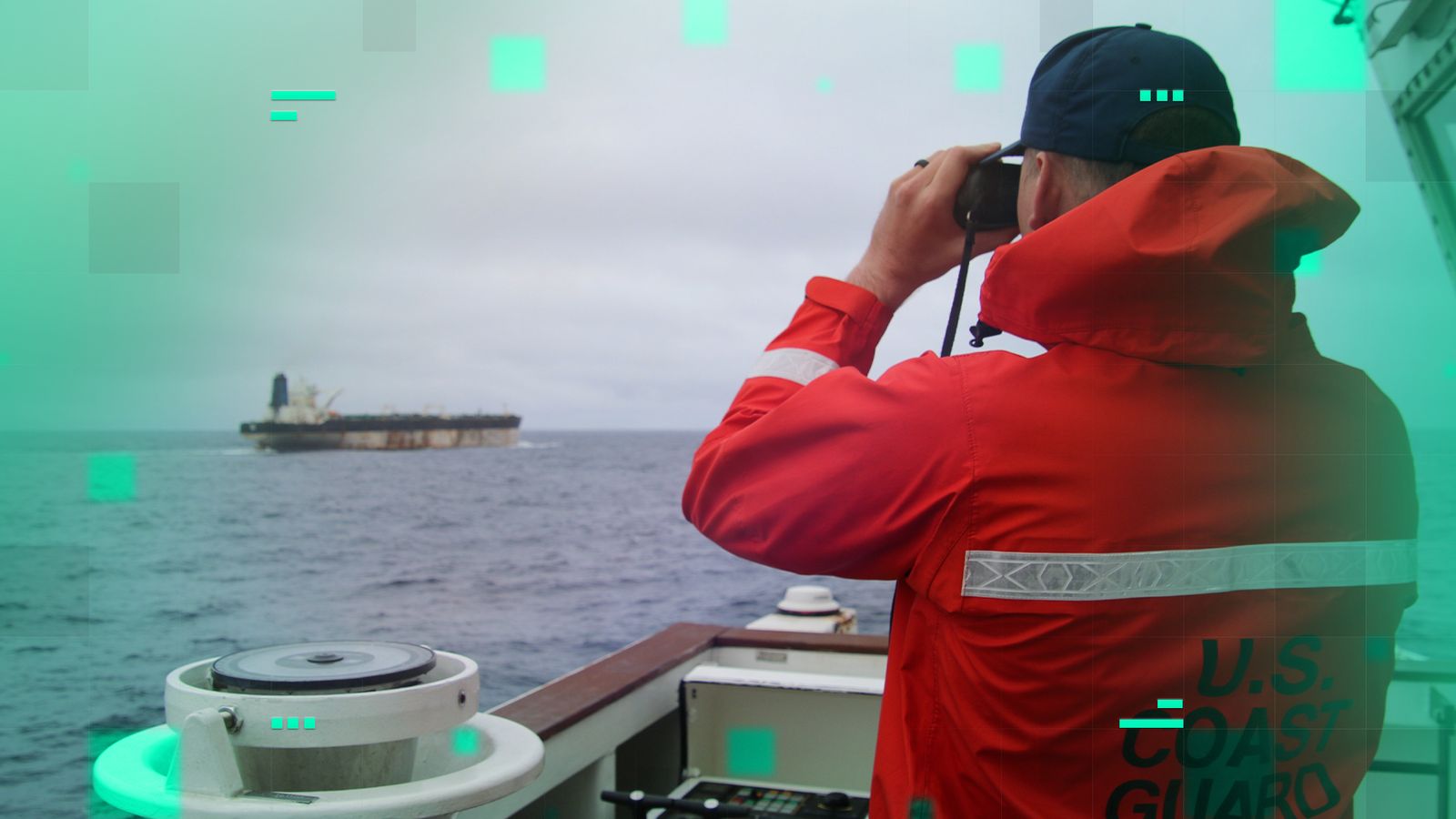
On 7 January 2026 US forces seized the sanctioned oil tanker Marinera (formerly Bella 1) off Iceland after a weeks-long Atlantic pursuit; the vessel had reportedly loaded crude at Iran's Kharg Island, spoofed AIS signals, made multiple distress calls and repeatedly changed names and flags (Guyana, then Russia). The operation, supported by UK forces, follows prior US interdictions of Venezuela-linked tankers and highlights elevated sovereign/legal friction over maritime sanctions, flag fraud and shipping-route risks that could raise insurance and operational costs for energy shipping and create localized supply frictions in oil trading flows.
Market structure: Rapid US seizures and widespread reflagging to Russia raise shipping friction—expect spot VLCC/tanker freight to rise 10–30% and insured "available" sanctioned crude flows to drop by an estimated 100–300 kbpd over the next 1–3 months, tightening Atlantic balances and boosting price sensitivity in Brent/WTI. Winners in the near term: large integrated producers (XOM, CVX) and specialist tanker owners with modern double-hull VLCCs; losers: shadow traders, anonymous shipowners, and brokers reliant on Guyana re-flagging who face legal/insurance blacklisting. Risk assessment: Tail risks include Russian retaliation seizing Western-owned tonnage or interdiction of North Atlantic routes, which could add $10–25/bbl to Brent in an extreme 2–8 week shock scenario. Short-term (days–weeks) volatility will be driven by enforcement headlines and VLCC rate moves; medium-term (3–6 months) by insurance market withdrawal/IMO restrictions; long-term (6–24 months) by legal/regulatory tightening of flag-of-convenience registries and re-routing costs. Hidden dependencies: P&I club withdrawals and secondary sanctions on insurers could abruptly freeze trades. Trade implications: Tactical: overweight large integrated oil (XOM, CVX) for 3–6 months (2–3% NAV) and buy tanker owners (FRO or EURN) on dips to capture freight upside. Hedge: short airline exposure (JETS ETF) 1–2% to offset higher jet fuel. Options: deploy 3-month Brent call spread via BNO—buy 15% OTM, sell 30% OTM—for 0.5–1% NAV exposure to a 10–25% crude move. Contrarian angles: Consensus assumes sustained physical shortage; history (2019–2020 tanker incidents) shows price spikes often retrace within 2–3 months once rerouting and insurance pricing equilibrate. Mispricing opportunity: buy high-quality tanker equities and P&I/insurer names on 10–20% pullbacks while selling front-month Brent and buying 6–12 month Brent (calendar spread) to capture expected easing of backwardation over 3–6 months.
AI-powered research, real-time alerts, and portfolio analytics for institutional investors.
Request DemoOverall Sentiment
moderately negative
Sentiment Score
-0.33
