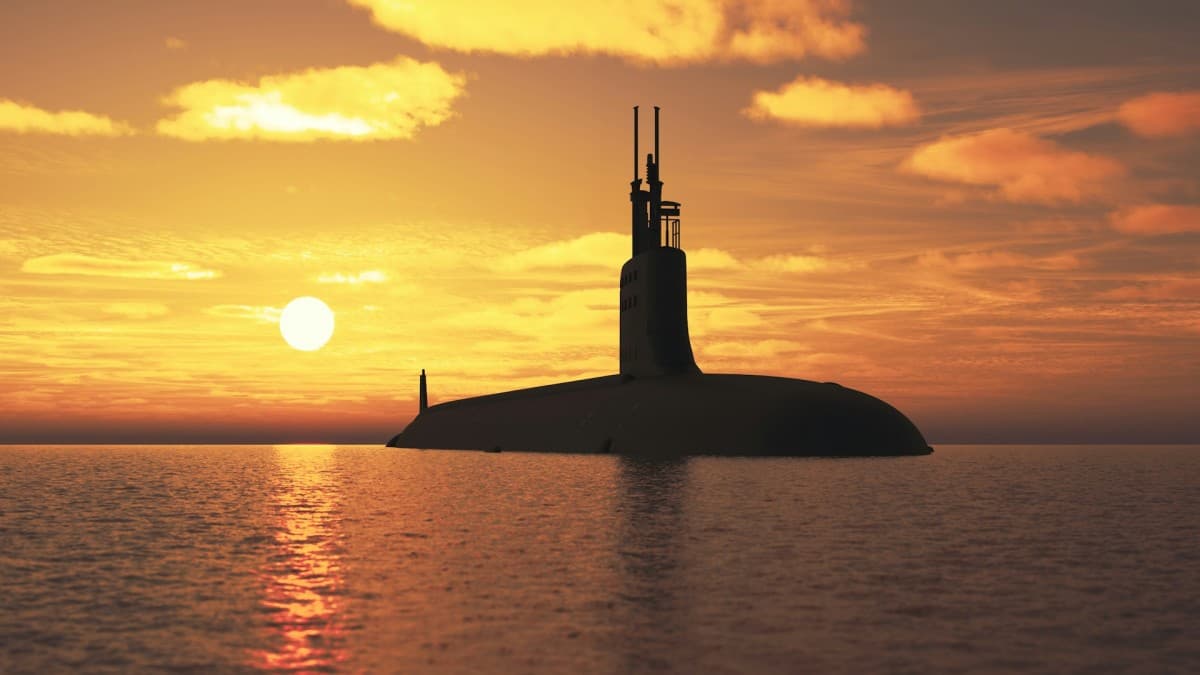
The UK and France are leading a multinational effort to reopen the Strait of Hormuz as the U.S. maintains a naval blockade and ceasefire talks with Iran remain stalled. The article highlights heightened risk to global energy flows, international trade, and energy security, with more than 30 countries’ military planners meeting to coordinate a reopening plan. The situation remains fluid and could materially affect oil markets and broader risk sentiment.
The market is underpricing the difference between a headline ceasefire and a physically enforced shipping constraint. Even if diplomacy eventually cools the tape, a blockade regime keeps the risk premium embedded in front-month energy, tanker, and marine insurance pricing; that’s a days-to-weeks catalyst, not a months-long one. The bigger second-order effect is on inventory behavior: refiners, distributors, and industrial buyers will accelerate precautionary stock builds, which can tighten prompt barrels and freight capacity even before any actual supply loss occurs.
The most obvious beneficiaries are not just upstream energy names but also naval/defense, port security, and select logistics platforms with pricing power. Conversely, airlines, chemicals, European industrials, and import-dependent UK/EU firms face a margin squeeze from both higher fuel and longer transit times, with the pain showing up first in Q2 guidance rather than immediate earnings. A less appreciated loser is any business relying on just-in-time Gulf transit; even a brief reopening process can keep volatility elevated because shipowners will demand a higher risk premium after the fact.
The setup favors a relative-value expression rather than a naked macro bet. If the market starts pricing a clean reopening, vol in energy should collapse faster than spot does, creating an attractive opportunity to own convexity on the right tail while fading broad industrial beta. The key reversal trigger is not a statement of intent but verified safe passage metrics for several consecutive days; until then, a single misstep can reprice crude, freight, and defense equities in one gap move.
Contrarian view: the consensus may be too focused on immediate supply loss and not enough on regime durability. If the blockade persists without a major escalation, the trade shifts from “oil spike” to “persistent friction tax,” which is less dramatic for oil but more damaging for transport, insurers, and working capital cycles. That makes the best risk-adjusted expression a dispersion trade, not a directional all-risk long.
AI-powered research, real-time alerts, and portfolio analytics for institutional investors.
Request TrialOverall Sentiment
moderately negative
Sentiment Score
-0.35
Ticker Sentiment
