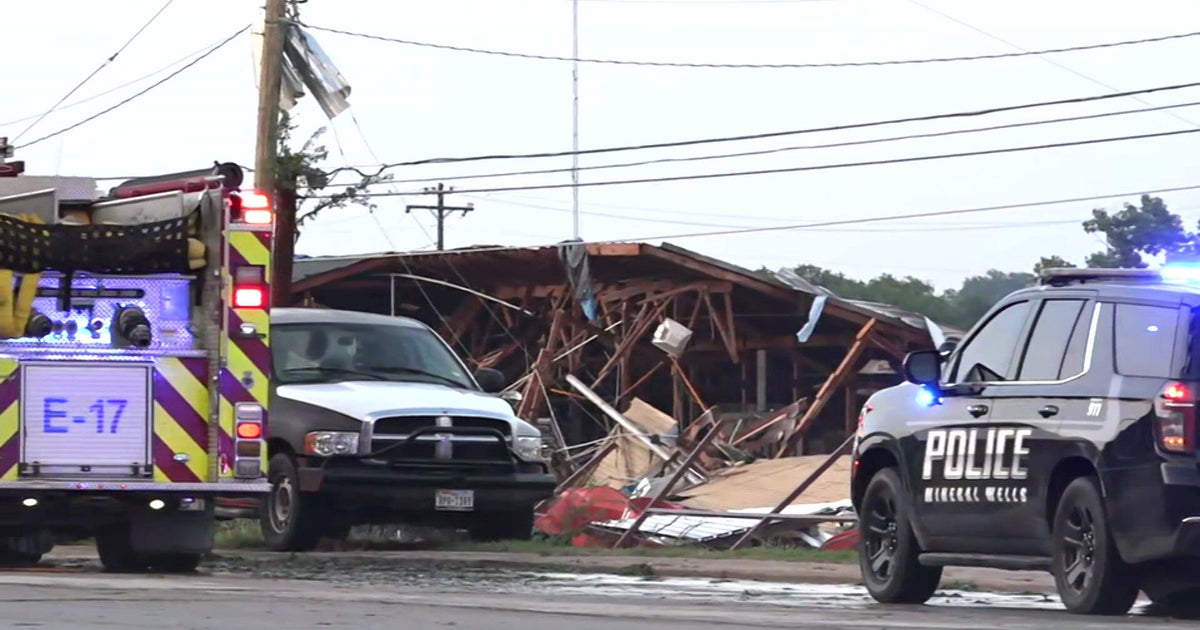
An EF-2 tornado hit Mineral Wells, Texas, causing serious structural damage, injuries, and widespread power outages affecting about 2,200 customers. Officials reported no critical injuries or fatalities, but industrial facilities and nearby neighborhoods were impacted, with debris, downed trees, and leaning power lines across the area. A curfew was imposed in the Fort Wolters area as emergency crews continued damage assessment and cleanup.
This is a localized physical-shock event, but the market impact is more about downtime and insurance loss inflation than the headline casualty count. The near-term winners are emergency contractors, debris-removal firms, and utilities with restoration capex exposure; the losers are any industrial tenants with just-in-time production, plus landlords facing temporary vacancy and repair claims. The fact that employees were reportedly sent home ahead of the storm reduces immediate business interruption risk, but the damaged industrial park raises the probability of multi-week clean-up, equipment replacement, and tenant retention issues.
The second-order effect to watch is on regional infrastructure bottlenecks: even a few thousand customers offline can stress local distribution crews, transformer inventories, and mutual-aid capacity if Texas gets hit by repeated severe weather. For insurers, the key question is whether losses stay in the small-to-mid-size commercial bucket or begin layering with broader hail/wind claims across North Texas; that distinction matters because underwriting models can absorb a single EF-2 event, but a sequence of convective storms can push local loss ratios sharply higher within one quarter.
Contrarianly, the market may underreact if it assumes this is a one-off headline. Severe-weather season can create a compounding claims environment, and industrial real-estate owners often see the financial hit extend beyond repair costs into lease concessions, tenant churn, and delayed re-leasing. Conversely, the event is probably too small to justify a broader regional macro bearish trade unless follow-on storms reveal a larger insured-loss footprint.
AI-powered research, real-time alerts, and portfolio analytics for institutional investors.
Request DemoOverall Sentiment
strongly negative
Sentiment Score
-0.55
