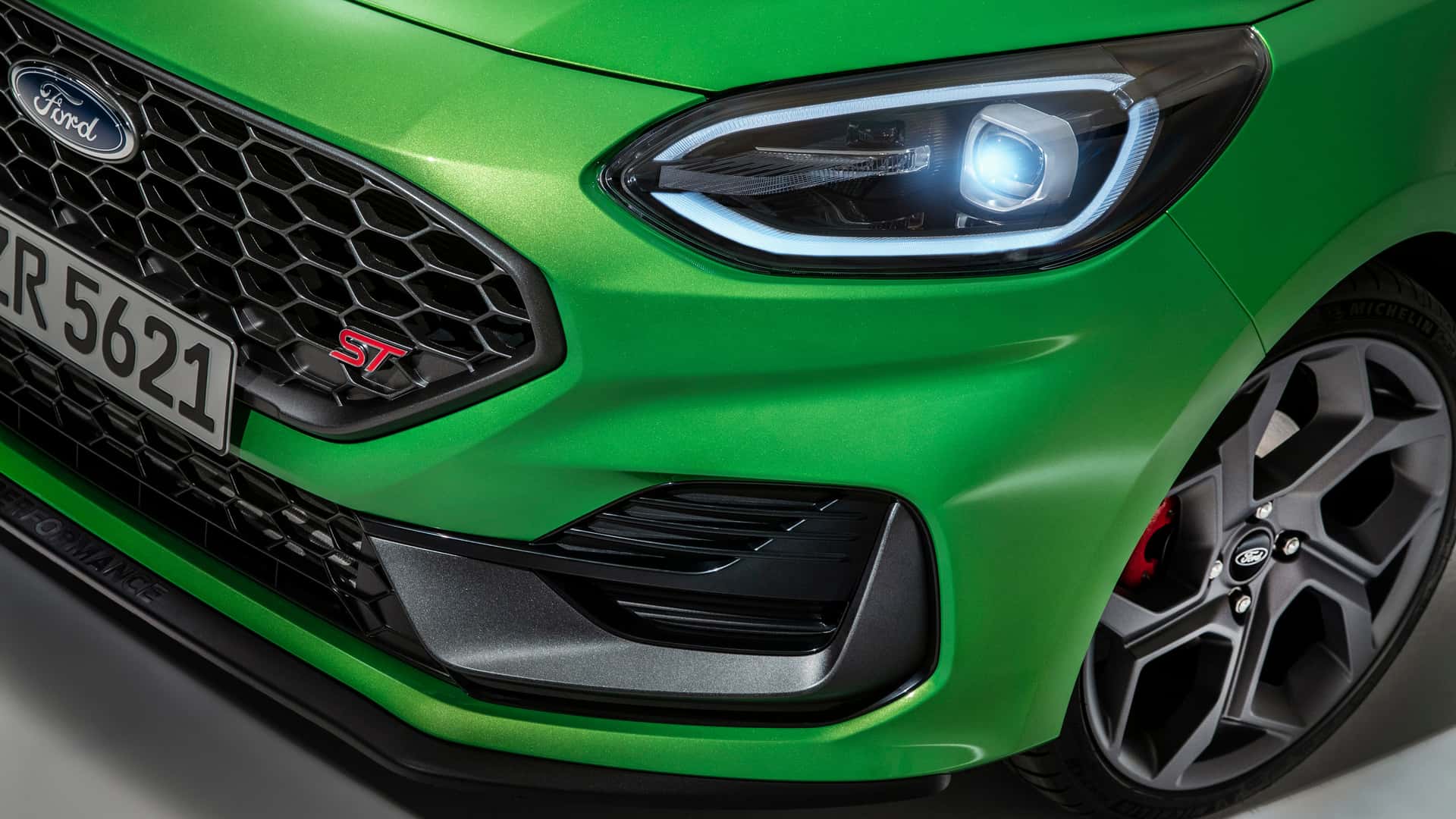
Ford plans five new Europe models between 2026 and 2029, including two small EVs, two crossovers, and a Europe-specific Bronco, with the small vehicles to use Renault’s AMPR platform. Management said the Fiesta ended because of emissions rules, shrinking volumes, and EV adoption that has been slower than expected, noting Ford must "pay the bills" and focus on margin-efficient scale. The company is still evaluating partners and plants for some models, making the roadmap strategically important but not an immediate market-moving catalyst.
Ford is implicitly admitting that Europe is becoming a scale game, not a brand-rights game. The critical second-order read-through is that the company is optimizing for plant utilization and platform dilution, which lowers unit economics but also compresses the strategic value of small-car proprietary IP; that favors suppliers and contract manufacturers with multi-OEM footprints, while legacy single-program suppliers are exposed to margin pressure as OEMs squeeze content per vehicle.
The real winner is Renault’s ecosystem, not Ford’s logo. Even if Ford insists on “Ford DNA,” the economic value is increasingly captured upstream in platform ownership and manufacturing leverage, so Renault gains both utilization and bargaining power while Ford inherits execution risk on product differentiation and residual value management. Competitors in the small-car and entry-SUV space should also see some relief: if Ford leans into sporty positioning, it may cede pure value buyers to lower-cost incumbents, especially if pricing must stay above ICE equivalents due to battery costs.
The catalyst path is long-dated: near term, this is mostly a narrative shift with limited earnings impact, but over 12-24 months the market will start pricing whether these partnerships actually restore Europe margins or just defend share at subscale profitability. The main tail risk is that Ford over-indexes on “heritage” and underestimates European demand elasticity, leading to expensive launch spending without volume follow-through. A favorable reversal would be faster-than-expected EV adoption plus better regulatory clarity, which would let Ford simplify the powertrain mix and improve ROI on the new lineup.
AI-powered research, real-time alerts, and portfolio analytics for institutional investors.
Overall Sentiment
mildly negative
Sentiment Score
-0.10
Ticker Sentiment
