

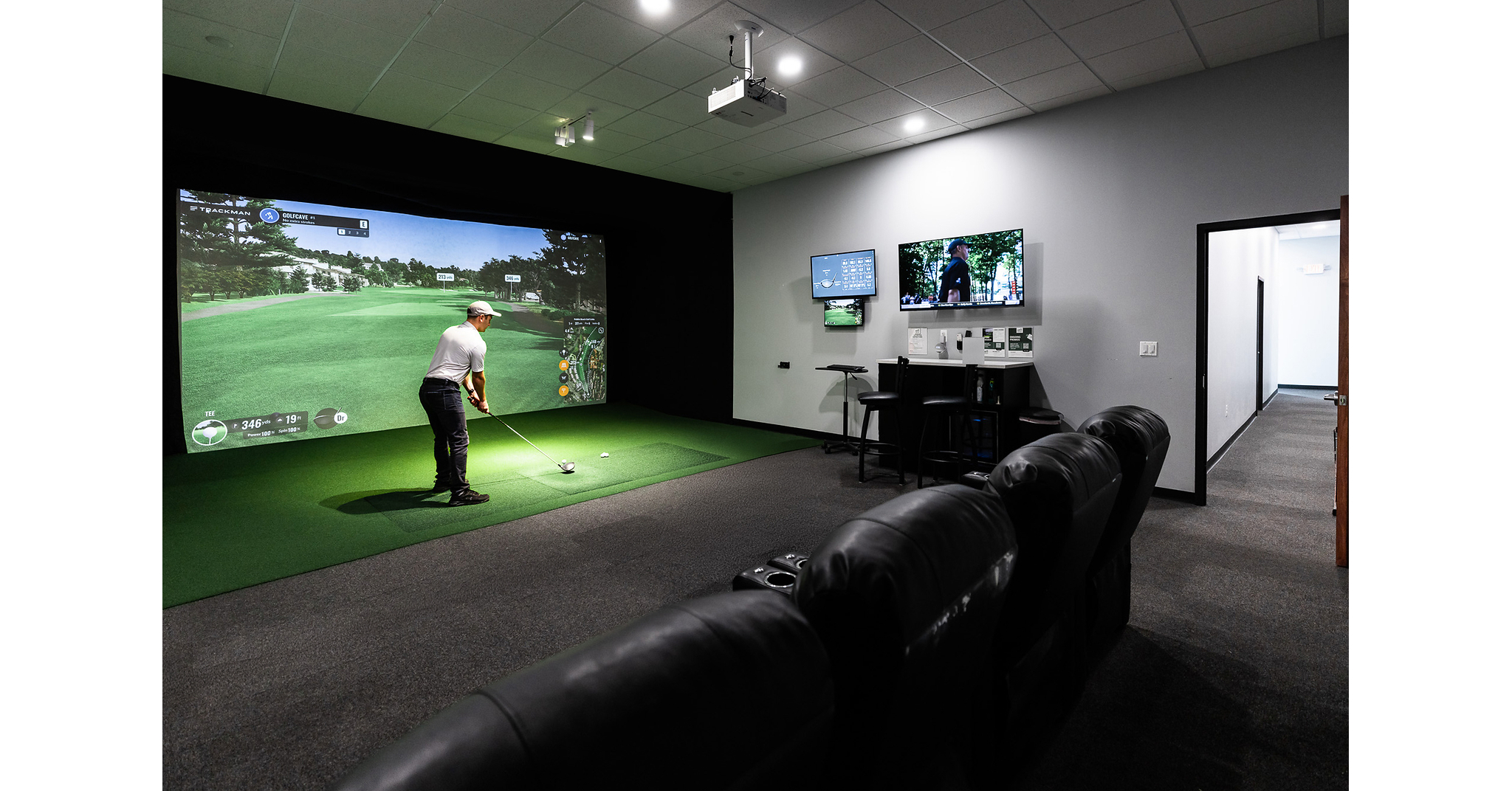
GolfCave, an indoor golf simulator franchise, announced new franchise development opportunities in Connecticut and Long Island, NY, after selling out NJ territories and opening Staten Island and White Plains locations. The company plans its first two Pennsylvania locations (outside Philadelphia) in Q4 2026 and cites strong year-round demand, a membership-driven recurring revenue model, and Trackman-equipped private golf rooms as differentiators. This is expansion/partner-seeking news, likely limited to brand-level impact rather than broader market effects.
This reads more like a soft sentiment check on premium leisure than an investable catalyst. The real economic signal is that affluent, high-foot-traffic suburban retail can still support recurring-membership concepts with high ticket prices, which is mildly constructive for landlords like SPG and REG and for niche simulator-tech vendors, but the linkage to SCPAF/TBHC is effectively nil.
The near-term tradeable path is not the press release; it is whether the next 1-3 months bring disclosed franchise signings, lease execution, and financing terms that prove unit economics. The core risk is that this model is highly sensitive to rent, buildout capex, and interest rates: if occupancy costs rise faster than utilization, franchise payback stretches and territory growth can stall even if consumer interest remains intact. Over 6-18 months, weaker discretionary spending would show up first in weekday utilization and membership retention, not in top-line territory awards.
Contrarian takeaway: the market often over-interprets “sold-out territories” as demand validation, when it can also reflect scarcity marketing and a limited pool of qualified operators. I would not chase golf-beta on this alone; the better test is hard operating data from the first Pennsylvania openings and any commentary on churn, price elasticity, or payback periods. Falsifiers are delayed openings, discounted memberships, or evidence that the model needs concessions to fill capacity.
AI-powered research, real-time alerts, and portfolio analytics for institutional investors.
Overall Sentiment
mildly positive
Sentiment Score
0.18
Ticker Sentiment
