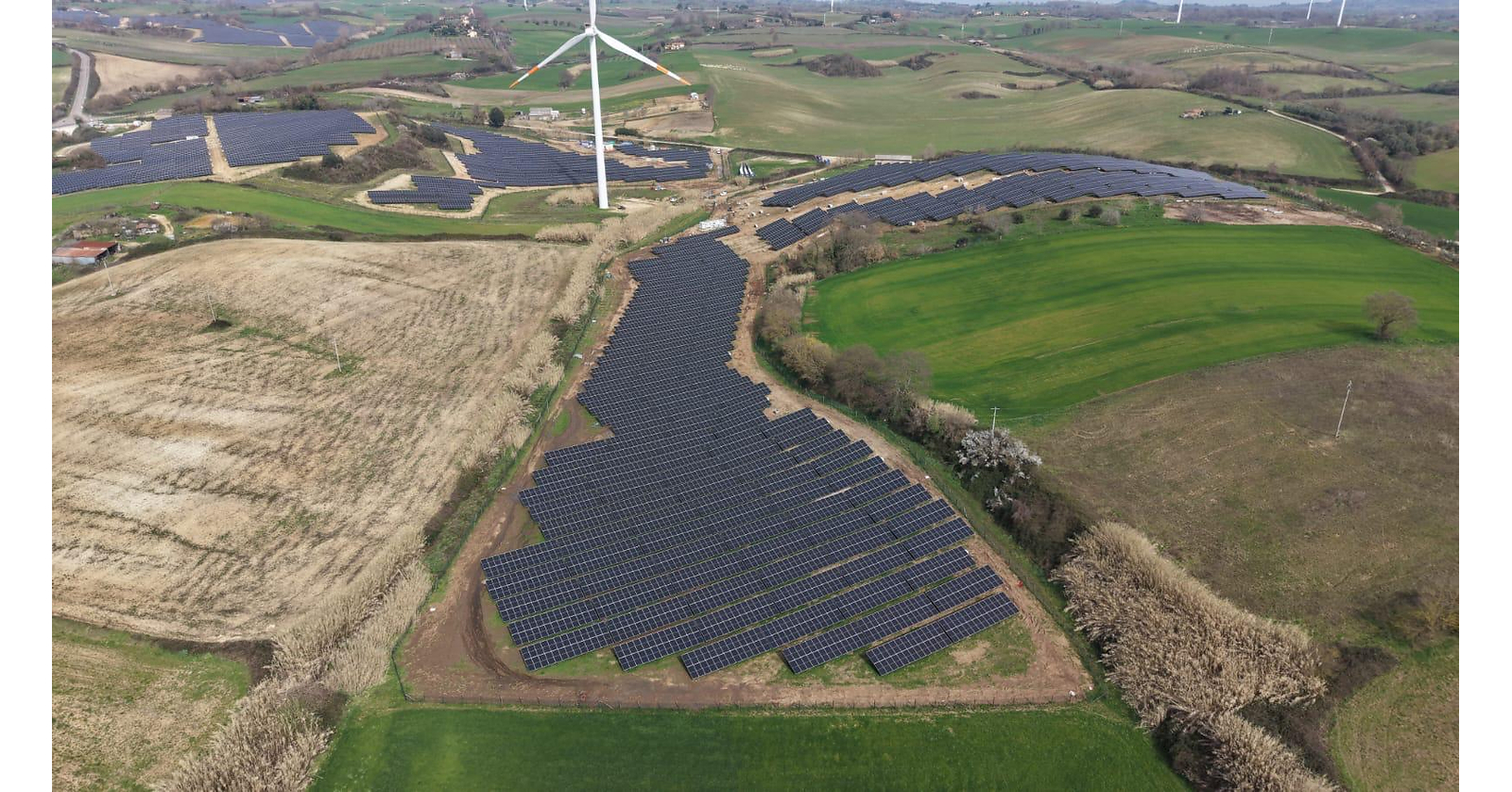
Enfinity Global annonce 535 MW de solaire opérationnel en Italie (dépassant 500 MW) via 18 centrales PV, contre un portefeuille italien qui devrait produire près de 1 TWh/an et éviter environ 290 904 tonnes de CO₂e par an. La société indique aussi ~600 MW de systèmes de stockage BESS autorisés (dans un portefeuille global de 9,1 GW) et précise avoir attiré plus de 1 Md€ d’investissements pour ce portefeuille, soutenant sa trajectoire de croissance et la sécurité énergétique italienne.
This is a better read on capital formation than on installed megawatts. In Italy, the real bottleneck has been permitting plus cost of capital, so a sponsor showing it can repeatedly convert paper pipeline into operating assets at scale is constructive for bankability and for developers with shallow balance sheets. The equity beneficiaries are the contracted-asset owners and lenders that can warehouse projects; the losers are late-stage developers whose IRRs get squeezed if financing spreads stay tight.
The second-order negative is merchant solar cannibalization. More midday solar in a constrained grid lowers capture prices for existing plants, which helps explain why storage is the cleaner trade than panels or inverters: batteries monetize volatility created by additional solar penetration. Over 1-3 months, watch Italian power price curves and project-finance spreads; over 6-18 months, BESS becomes the real earnings lever if interconnection and permitting keep pace.
Contrarian view: the market may overgeneralize this into a broad European renewables bull case, but one sponsor's execution does not reset module demand or fix grid congestion. If borrowing costs rise, curtailment increases, or negative-price hours do not expand enough to support storage economics, the read-through fades quickly. This looks like a selective positive for capital-light renewables platforms, not a blanket buy on the solar complex.
AI-powered research, real-time alerts, and portfolio analytics for institutional investors.
Overall Sentiment
moderately positive
Sentiment Score
0.35
