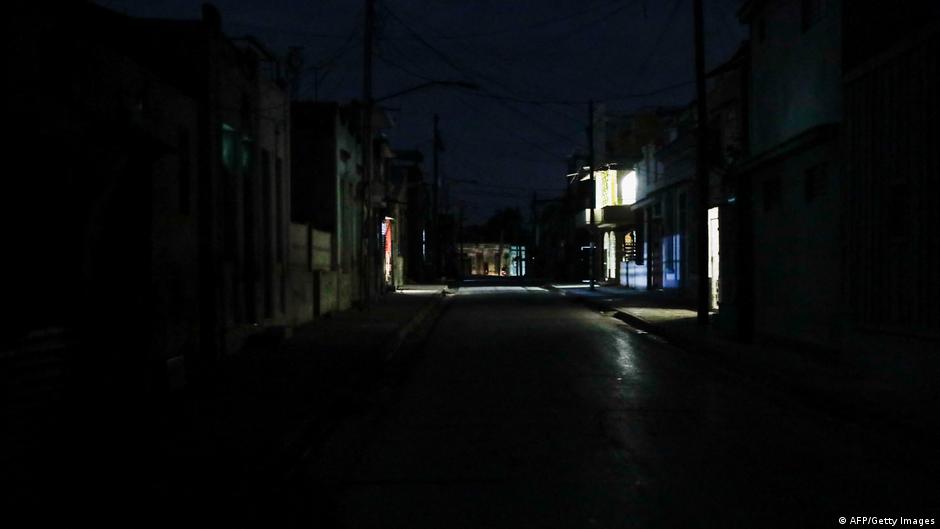
Nationwide blackout in Cuba after a 'total disconnection' from the grid, with President Díaz‑Canel saying the island has not received oil shipments for over three months following U.S. blocking of Venezuelan deliveries. The supply cutoff — Cuba's main supplier was Venezuela — has forced reliance on solar, natural gas and thermoelectric plants, sparked violent protests over power cuts and food prices, and coincides with U.S. threats of tariffs on countries selling oil to Cuba. Cuban officials are engaging in talks with the U.S. and plan to allow diaspora investment as a policy shift to address the energy and economic crisis. Key near-term risks are further social unrest, deeper economic disruption in Cuba, and potential geopolitical escalation affecting regional energy flows.
The immediate market impact is concentrated in regional refined-product logistics rather than global crude balances — modest incremental export demand to Gulf/Caribbean refiners will bid up MR tanker charters and push ULSD/ gasoline spreads wider for weeks. Expect MR/dayrate volatility to spike 2x–4x from baseline within 7–30 days as cargoes are rerouted to smaller tonnage and last‑mile barges; insurers will add voyage premia that mechanically raises landed fuel costs for island importers.
On a medium horizon (1–6 months) the political response will drive two distinct paths for asset prices: a negotiated resumption of structured energy flows would quickly compress regional spreads and re-route profits back to global majors, while sustained disruption accelerates capital flight and incentivizes informal trade channels (ship-to-ship transfers, cash-based deals) that raise compliance risk and banking fees for counterparties by an estimated 10–30%. The announced openness to diaspora capital is an asymmetric kicker — if implemented credibly it can create a concentrated FX inflow that re-rates locally‑exposed property, hospitality, and remittance-service intermediaries.
Contrarian calibration: global Brent is unlikely to move materially because the flows involved are small relative to world supply, so macro oil positions should not be the default play. The tradeable opportunity is volatility and basis — refiners and MR/product-tanker owners should benefit in the near term, while regional banks and shipping insurers are the first to price in elevated counterparty and sanction risk. Reversals could be quick (30–90 days) if diplomatic channels reopen or if larger suppliers step in with insurance-backed contracts; monitor charter brokers, insurance notices (P&I circulars), and short-term export manifests as the earliest datapoints.
AI-powered research, real-time alerts, and portfolio analytics for institutional investors.
Request DemoOverall Sentiment
strongly negative
Sentiment Score
-0.70
