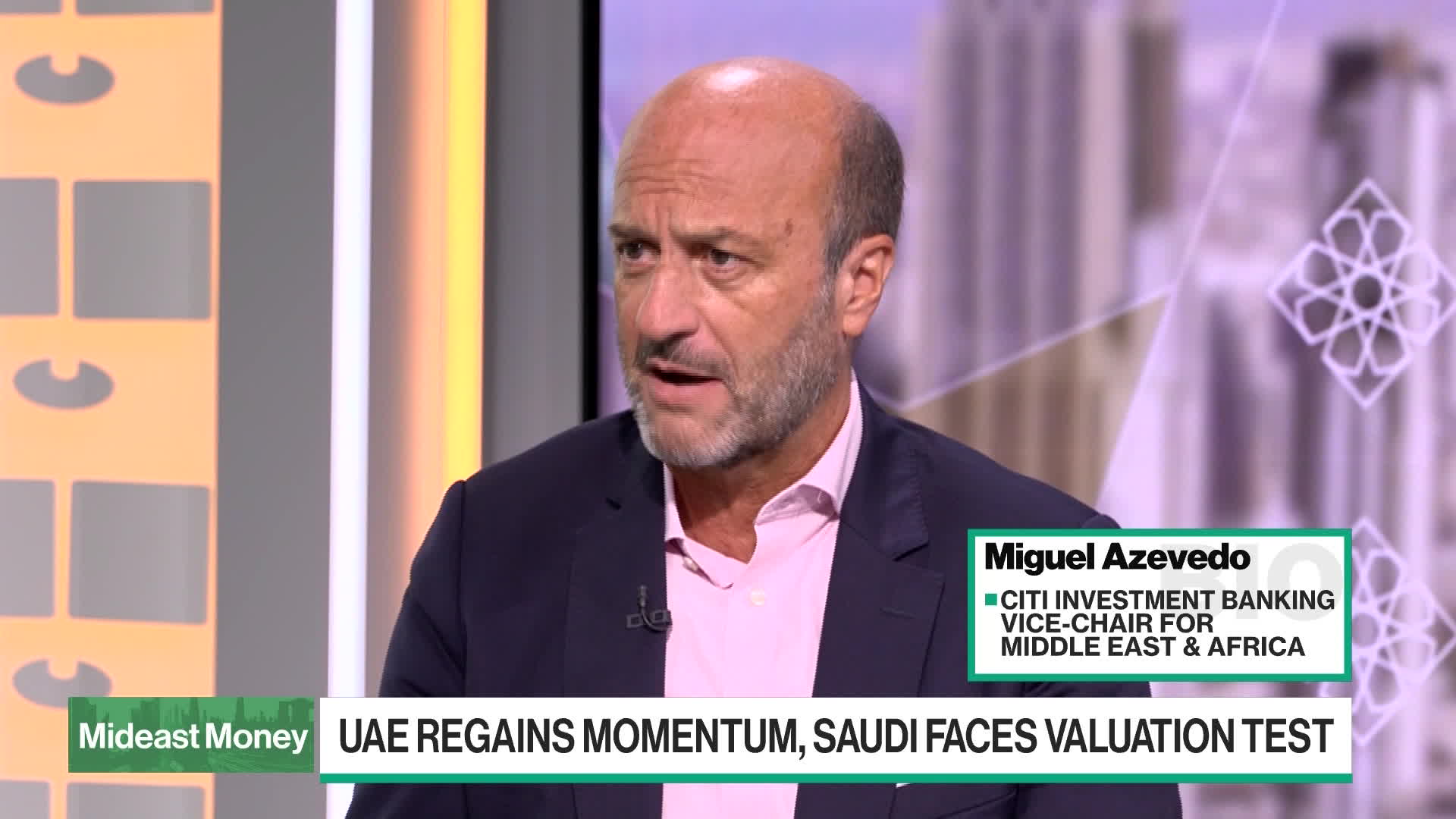
Recent news highlights key geopolitical and economic challenges as Bohl warns that Israeli strikes risk destabilizing Syria's government, while G-20 finance leaders are confronting the implications of Trump tariffs. These developments point to continued regional instability and persistent global trade tensions, factors critical for assessing market risks and investment outlooks.
Current market sentiment is being shaped by two significant macro-level risks: escalating geopolitical tensions in the Middle East and persistent global trade friction. Commentary highlights that Israeli strikes in Syria pose a tangible risk of destabilizing the Syrian government, a development that could amplify regional instability and impact assets tied to emerging markets. Concurrently, G-20 finance leaders are actively confronting the economic implications of potential US tariffs, signaling that trade policy remains a critical source of global economic uncertainty. The prevailing moderately negative sentiment and uncertain tone, combined with a significant market impact score of 0.65, underscore that these dual threats are creating a challenging investment landscape where volatility is likely to be elevated.
AI-powered research, real-time alerts, and portfolio analytics for institutional investors.
Request DemoOverall Sentiment
moderately negative
Sentiment Score
-0.60
