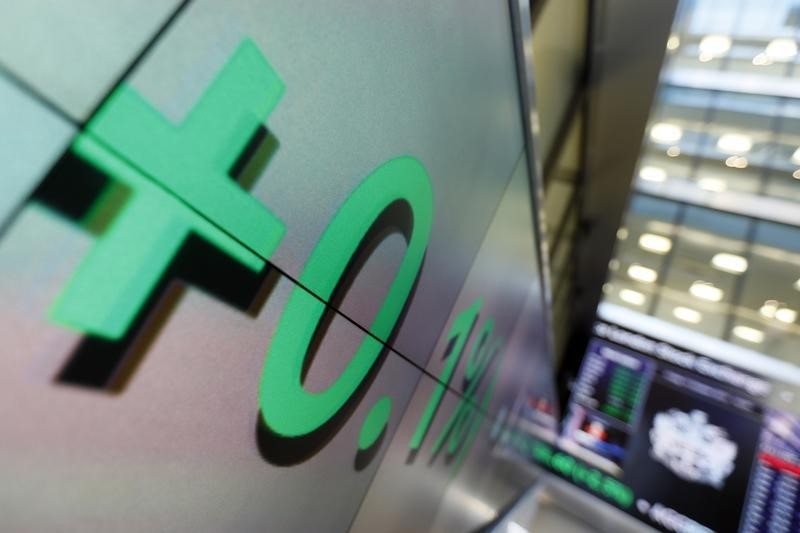
US-Iran signed a 14-point agreement to restore Iranian oil exports and reopen the Strait of Hormuz, sending Brent down 1.5% to $78.35 and WTI down 2.0% to $75.28 while spot gold rose 1.1% to $4,305.84. UK labour data was mixed: average weekly earnings excluding bonuses held at 3.4% y/y, above the 3.2% forecast, while unemployment unexpectedly fell to 4.9% from 5.0%. The FTSE 100 fell 0.54% as energy shares weakened, with Informa and Tesco also reporting trading updates tied to Middle East-related disruption and consumer caution.
The immediate market read is that geopolitics is now acting like a macro input into inflation expectations rather than just an isolated risk event. A sustained leg lower in crude would matter less for headline CPI than for breakevens and terminal-rate pricing: if energy stays contained for several weeks, the rates market can reprice lower inflation risk premia even if wage data remain firm. That creates a subtle but important tension for the BoE — sticky pay keeps a cut delayed, but falling energy reduces the odds of a renewed inflation scare that would force it to stay restrictive longer.
The bigger second-order effect is sector rotation inside the UK market. Integrated energy and oil-service exposure is the obvious loser, but the more interesting beneficiaries are UK domestic cyclicals and rate-sensitive defensives that have been trading with a quasi-stagflation discount. Lower fuel input costs should filter through to transport, food retail, and discretionary margins with a lag, while also easing consumer pressure ahead of the next earnings season. That said, if the deal is perceived as reversible or poorly enforced, the market could quickly unwind the relief trade because crude’s risk premium is doing most of the work here.
The labor data are not enough to force a hawkish repricing on their own; the mix still looks like a slow deterioration in demand rather than a re-acceleration in wages. That matters because the strongest upside for UK equities may come from the combination of softer energy and a more credible path to eventual easing, not from today’s pay print. The risk is that the market extrapolates one geopolitically favorable day into a durable disinflation narrative — any breakdown in implementation over the next 2-8 weeks would likely snap crude higher and re-tighten financial conditions fast.
The corporate read-through is that companies exposed to consumer confidence and event traffic can see operating leverage if the oil move persists, but guidance conservatism will likely remain until management teams see several weeks of stabilized energy and freight costs. In other words, this is more a margin-bridge story than an immediate top-line story. The market is probably underestimating how quickly calmer energy can improve UK small-cap and mid-cap earnings revisions if the FX and rate backdrop stays contained.
AI-powered research, real-time alerts, and portfolio analytics for institutional investors.
Request DemoOverall Sentiment
neutral
Sentiment Score
0.05
