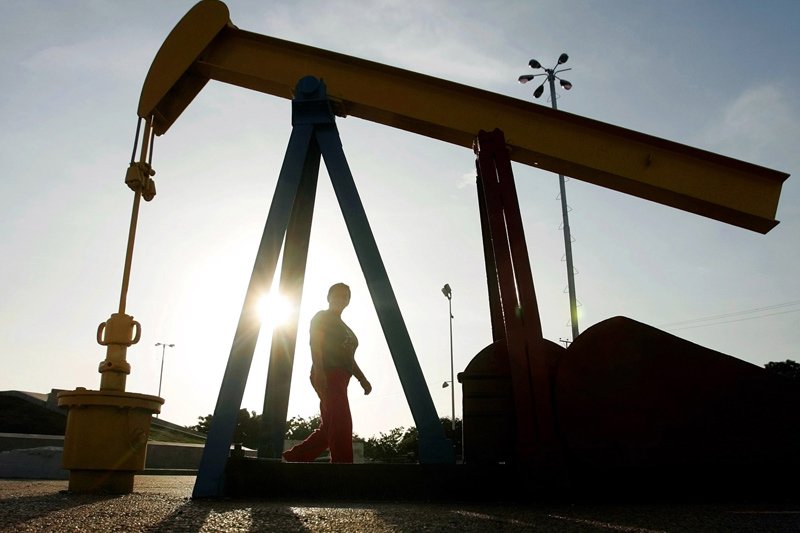
EU officials warned that a prolonged blockade of the Strait of Hormuz would be "catastrophic" and are preparing guidance for jet fuel shortages, including airport slots, passenger rights, and emergency stock releases. The Commission is also examining alternative jet fuel imports such as U.S. Jet A and pushing faster production of sustainable aviation fuel and synthetic fuels to reduce dependence on Middle East supply. While there are no shortages today and no expectation of widespread flight cancellations yet, the statement underscores elevated geopolitical risk for energy and aviation markets.
The market is treating this as a de-escalation signal, but the bigger takeaway is that Europe is publicly preparing for a fuel availability shock rather than a price shock. That distinction matters: if jet fuel scarcity tightens before crude itself rations, the first-order winners are refiners and physical distillate marketers with access to Atlantic Basin barrels, while the losers are airlines whose hedge books do not protect against basis blowouts in Jet A versus Brent.
The second-order effect is a regional arbitrage reset. If Europe is forced to import more U.S.-grade jet fuel, transatlantic clean tanker rates, blending margins, and refinery cracks should widen even if headline crude fades; that supports names exposed to middle distillates more than upstream producers. In aviation, the real risk is not immediate cancellations but a gradual capacity squeeze over the next 4-12 weeks as carriers protect schedules, which tends to compress yields, raise fuel surcharges, and pressure smaller carriers first.
The contrarian angle is that the EU’s emergency stockpile and regulatory flexibility reduce near-term catastrophic outcomes, so the move in oil may be overdone if traders are pricing a full blockade. However, the policy response itself is structurally bullish for non-Middle East supply chains and for the green-fuel transition budget over the next 12-36 months, because every new contingency plan strengthens the case for domestic SAF and synthetic fuel investment even if it does little for this quarter’s balance sheet.
Key catalyst sequencing: any confirmed partial reopening of shipping lanes could unwind the geopolitical premium quickly, but a lingering security scare with no actual shortage would still support physical spreads and tanker utilization. The asymmetry is that crude can give back geopolitical premium fast, while jet fuel and freight dislocations usually lag by several weeks, creating a window to trade relative value rather than outright oil direction.
AI-powered research, real-time alerts, and portfolio analytics for institutional investors.
Request TrialOverall Sentiment
moderately negative
Sentiment Score
-0.35
