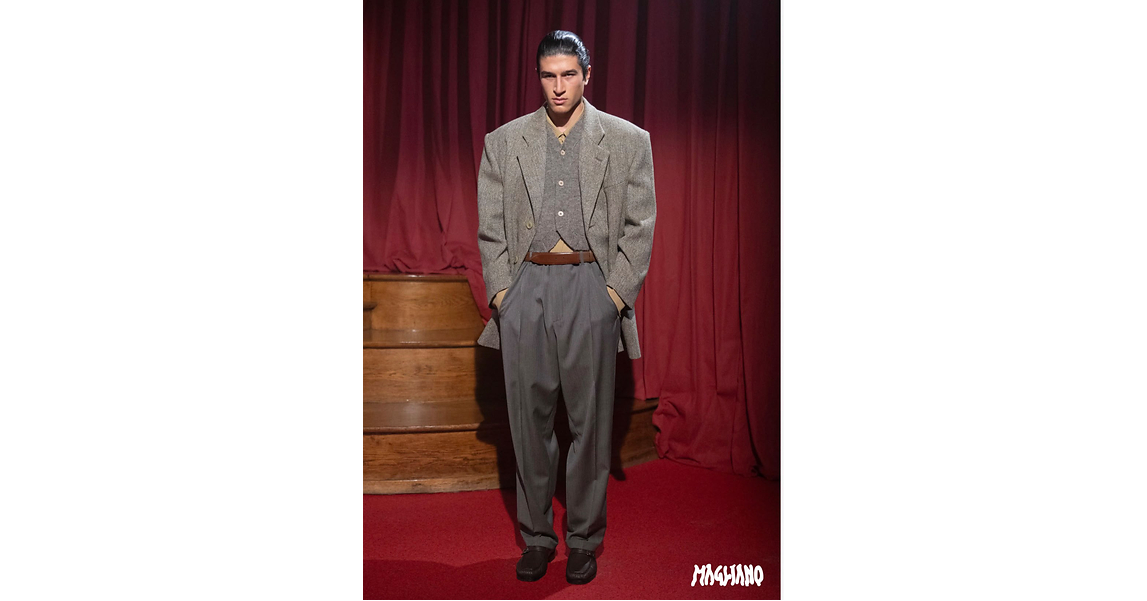
MondeVita a acquis une participation majoritaire dans Underscore District, l’accélérateur milanais derrière Magliano, GR10K et WOK Store, dans le cadre de la 2e étape de sa plateforme italienne dédiée au luxe (montant non divulgué). La transaction capitalise sur l’accès industriel acquis via Raffaele Caruso (CA 2025 : 34,2 M€ ; 479 emplois) et vise l’expansion internationale de Magliano, ainsi que le développement de WOK Store (2e magasin à Milan ouvert en 2024). Le deal s’inscrit dans une consolidation du secteur du luxe face à un ralentissement de la demande, et annonce une phase d’investissement plus large avec de nouvelles acquisitions/partenariats.
This is less a single deal than a signal that the bargaining power in Italian luxury is shifting toward capitalized platforms that can control design, production, and sell-through. The first-order winner is not necessarily the acquired brands, but the owner of the stack: scale should improve procurement terms, inventory discipline, and the ability to rescue underfunded labels faster than standalone rivals. That creates pressure on smaller independent brands and on multi-brand retailers that rely on breadth and cultural relevance but lack balance-sheet support.
The second-order read-through is to suppliers. Vertically integrated manufacturers may get higher utilization and stickier demand, but if end-market demand remains soft, the same fixed assets become a trap: more SKU complexity, more working capital, and a higher chance of margin dilution if the platform overpays for growth. In the next 1-3 months, the market will care less about the press-release synergy story and more about whether these acquisitions are financed cheaply and whether the acquired brands can grow without discounting.
Contrarian view: the consensus may be underestimating execution risk. “Platform” is fashionable, but luxury value creation usually comes from scarcity and brand heat, not organizational charts. If the group starts acting like a roll-up, the market could assign a conglomerate discount rather than a premium, especially if the broader luxury cycle stays weak over 6-18 months. The thesis is falsified if management proves it can lift conversion, full-price sell-through, and gross margin without inventory inflation; otherwise this may be more about financial engineering than durable brand compounding.
AI-powered research, real-time alerts, and portfolio analytics for institutional investors.
Request DemoOverall Sentiment
mildly positive
Sentiment Score
0.35
