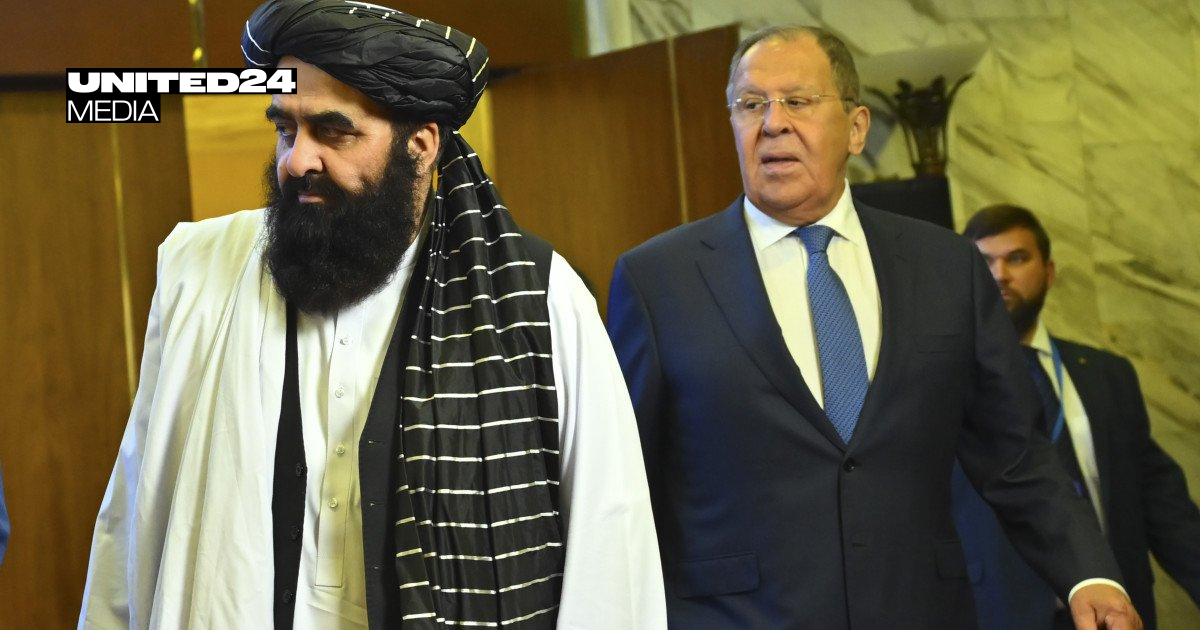
Russia and Taliban-led Afghanistan finalized a military and technical cooperation agreement on May 27 at the Moscow region International Security Forum. The deal signals deeper bilateral ties in security and defense, following Russia’s 2025 recognition of the Taliban-led government and its lifting of the Taliban ban. The article is geopolitically significant but does not provide a direct near-term market catalyst.
This is less about immediate market pricing and more about another step in the normalization of Russia’s sanctions architecture: Moscow is signaling that isolated regimes can still access security cooperation, clearing the way for barter-based trade, dual-use flows, and politically protected logistics corridors. The first-order economic value for Russia is modest, but the second-order value is strategic optionality — a sanctioned state building parallel channels for procurement, transit, and payments that can later be reused with other counterparties.
The main losers are Western influence mechanisms, not a specific listed asset today. Over time, this increases the probability that Central Asian transit states, select Gulf intermediaries, and grey-market defense suppliers become more valuable as conduit nodes, while compliance-sensitive freight, insurers, and banks face higher due-diligence costs. The tradeable implication is a mild medium-term negative for companies with Afghanistan-exposed regional logistics or aid footprint, but a more meaningful positive for regional security contractors and firms tied to border surveillance, drones, communications, and hardened infrastructure.
The contrarian read is that the market may be underestimating how incremental this is for Russian sanction resilience. Even small bilateral military-technical deals can create learning effects in procurement, settlement, and transport that reduce transaction friction for future sanctioned trade. The main reversal catalyst would be a tightening of secondary-sanctions enforcement on intermediaries or a political reset that reopens formal Afghan asset channels; absent that, the trend likely compounds over 6-18 months rather than days.
AI-powered research, real-time alerts, and portfolio analytics for institutional investors.
Overall Sentiment
neutral
Sentiment Score
0.05
