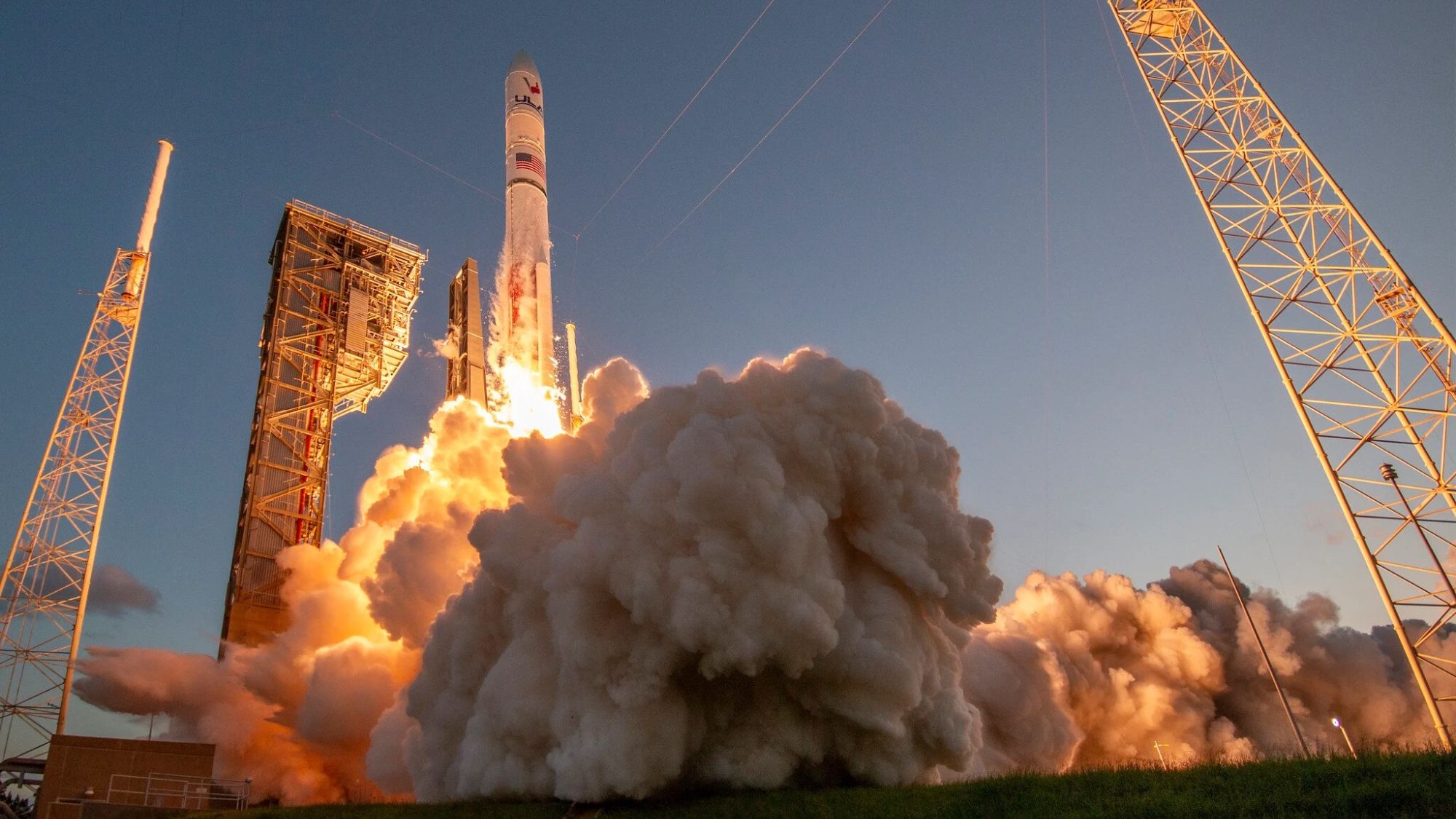
The U.S. Space Force moved the GPS III-8 satellite from ULA's Vulcan Centaur to a SpaceX Falcon 9 due to solid rocket booster (SRB) anomalies on Vulcan (anomalies occurred on 2 of 4 flights). GPS III-8—the 10th and final GPS III satellite—is now slated to launch no earlier than late April from SLC-40, Cape Canaveral; ULA's Vulcan will instead carry USSF-70 no earlier than summer 2028 after manifest reshuffling. The change preserves Space Force delivery timelines via SpaceX but elevates program risk and potential timing/revenue impacts for ULA, which still has more than two dozen Vulcan missions booked pending the anomaly investigation.
A recent DoD manifest reshuffle is a live stress-test of launch-provider optionality, and the market should treat this as a liquidity-and-scheduling shock rather than a one-off technical anomaly. Expect commercial launch cadence winners to gain pricing leverage for near-term national security work; conversely, incumbents with unresolved technical inquiries will face measurable revenue timing risk as missions are reallocated and heavier payloads are pushed out of current planning horizons.
Contractual cascades matter: every multi-month slip on a heavy-lift manifest creates knock-on warranty, storage, and operations costs for satellite integrators and owners; those line items are rarely priced into prime contractor earnings until a formal claim arises, implying potential earnings drift 6–18 months out. Insurance and reinsurance capacity will be re-allocated quickly—underwriters will widen terms for flights with disputed launch provenance—raising mission-level break-even costs and arguing for either price concessions by providers or higher government reimbursements.
Politically, this amplifies DoD bargaining power. With demonstrated alternative capacity, procurement teams can press for tougher service-level commitments, liquidated damages, and transparency clauses, tilting long-term contract economics against vendors that cannot demonstrate rapid corrective action. The likely near-term outcome is a period of discounted bid pricing for recaptured manifests and higher R&D/OPEX for the manufacturer under investigation as they pursue regulatory clearance and reputational remediation.
AI-powered research, real-time alerts, and portfolio analytics for institutional investors.
Request DemoOverall Sentiment
neutral
Sentiment Score
0.00
