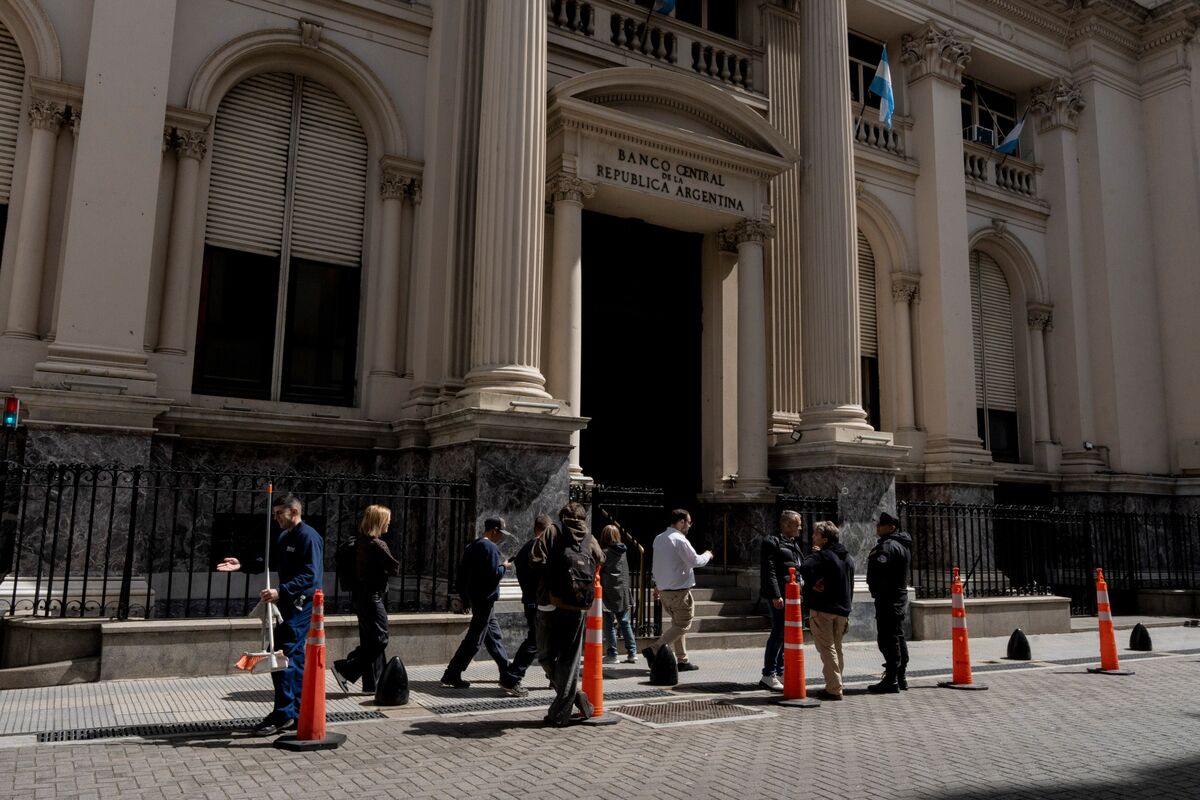
Argentina's government, through its central bank, sold over $450 million in the spot market on Wednesday to counter the peso's third consecutive day of decline, limiting its depreciation to 3.1% against the dollar. This intervention signals ongoing efforts to stabilize the national currency amidst persistent market pressure.
Argentina's government has executed a significant intervention in the foreign exchange market, with the central bank selling over $450 million on Wednesday to support the peso. This action marks the third consecutive day of intervention aimed at stemming the currency's decline, successfully limiting the day's depreciation to 3.1% against the dollar. The scale of the sale underscores the intense selling pressure on the peso and the government's reactive stance in attempting to manage the exchange rate. While the intervention provides temporary stability, the need for such a substantial and repeated deployment of dollar reserves highlights the currency's underlying fragility and persistent market skepticism. This strategy is unsustainable in the long term as it depletes critical foreign reserves, heightening the country's sovereign risk profile and signaling continued volatility ahead, consistent with the strongly negative sentiment signals.
AI-powered research, real-time alerts, and portfolio analytics for institutional investors.
Request DemoOverall Sentiment
strongly negative
Sentiment Score
-0.70
