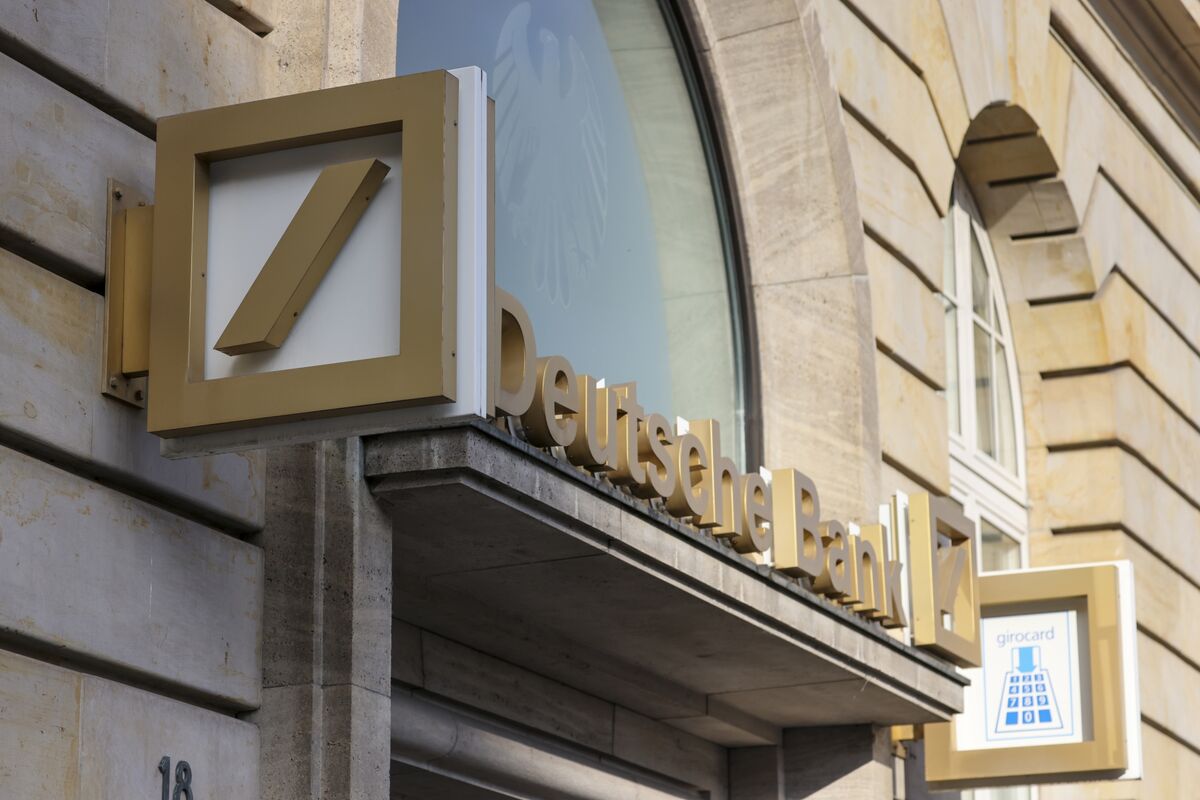
The IFC will insure credit risk on a $500 million portfolio of trade finance tied mainly to low-income and conflict-affected countries, in what it says is its first transaction of this kind. Deutsche Bank and Santander are among the financial institutions participating in the synthetic securitization. The deal is supportive for emerging-market trade finance and bank risk transfer, but the article is mainly a factual announcement with limited immediate market impact.
This is less a one-off headline than a proof-of-concept for a new distribution channel in emerging-market trade finance: the IFC is effectively turning its balance sheet into a risk warehouse that can be tranched out to global banks. The immediate winners are the participating lenders, not because of near-term fee income, but because they gain scarce, capital-efficient exposure to higher-spread EM assets without consuming as much regulatory capital. That matters most in a regime where bank credit growth is constrained by deposit beta and tighter capital treatment; any structure that manufactures RWA relief is strategically valuable.
Second-order effects are more important than the notional size. If this scales, the competitive pressure shifts toward institutions with strongest structuring, legal, and distribution franchises — and away from plain-vanilla lenders that still have to hold risk on balance sheet. For the underlying EM trade ecosystem, the marginal beneficiary is the set of import/export counterparties that are otherwise shut out of financing; the larger systemic effect is a modest reduction in working-capital bottlenecks, which can improve inventory turns and stabilize fragile supply chains over a 6-18 month horizon.
For DB and SAN, the upside is reputational and strategic more than earnings accretion. Both can position themselves as preferred partners in capital-light, fee-generating risk-transfer deals, which supports multiple expansion if investors start to value origination platforms over spread lenders. The contrarian risk is execution: if the first transaction experiences even a small unexpected loss, or if documentation proves cumbersome, the market will quickly re-rate these structures as niche and illiquid, limiting follow-on volume.
The broader market is probably underpricing how this could become a template for quasi-public risk sharing in climate, frontier trade, and development finance. That would be a slow-moving but meaningful tailwind for bank capital efficiency and for EM trade normalization, but only if default volatility stays contained and the insured pools remain granular rather than concentrated in a few weak obligors.
AI-powered research, real-time alerts, and portfolio analytics for institutional investors.
Request DemoOverall Sentiment
neutral
Sentiment Score
0.10
Ticker Sentiment
