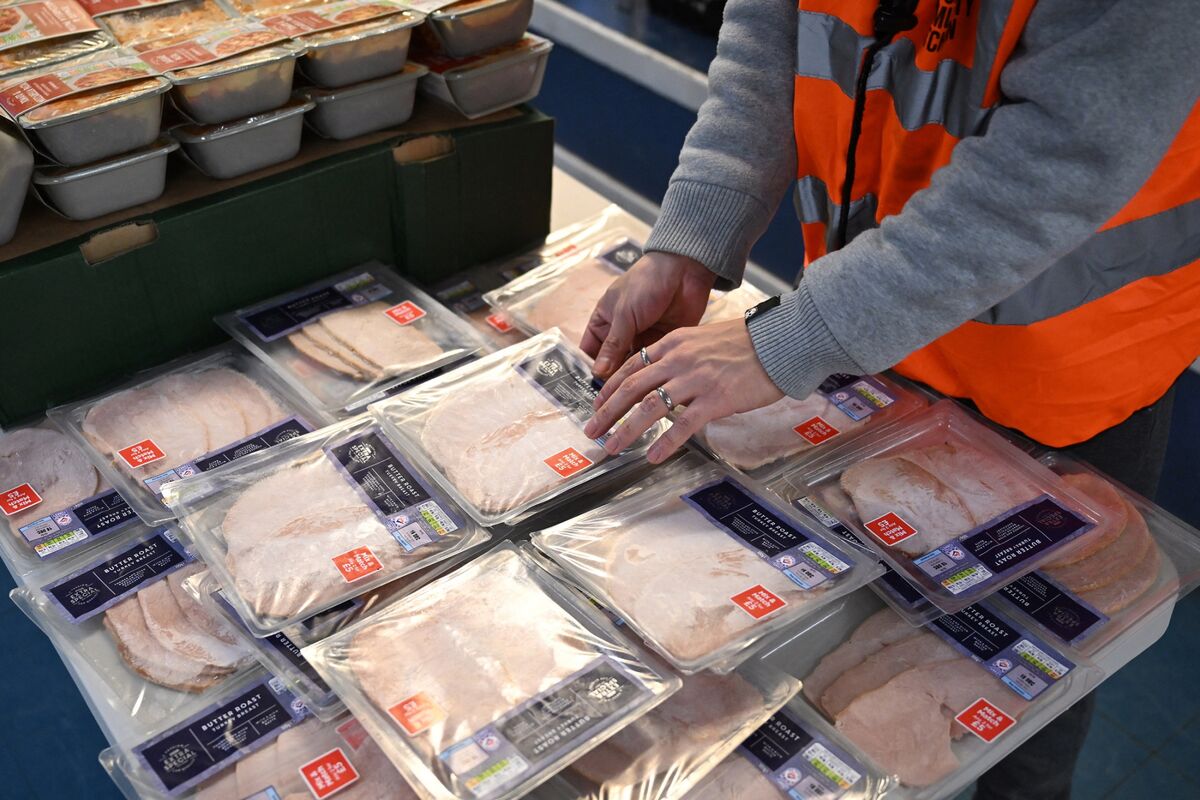
The UK is preparing for potential food disruption if the Strait of Hormuz remains effectively closed through June, with officials warning of reduced product variety rather than empty shelves. The supply squeeze stems from the Iran war and a drop-off in carbon dioxide supplies used across the food industry. The issue is geopolitically driven and could create broader logistics and retail headwinds if trade routes stay constrained.
The first-order read is not “UK food shortage” but a near-term squeeze on the most fragile nodes of the agri-food value chain: meat processing, packaged salads, bakery inputs, and greenhouse horticulture. CO2 is a hidden but critical input for slaughter, modified-atmosphere packaging, and temperature-sensitive logistics, so even a modest supply shock can force throughput cuts before consumer shelves look visibly empty. That means margin pressure should show up first in processors and cold-chain operators, then in retailers through product-mix deterioration and higher shrink, with the most exposed names being those that rely on just-in-time inventory and narrow SKU economics.
The second-order winner is import substitution and anything with optionality around supply routing, storage, or process flexibility. Producers with diversified sourcing, ammonia-based alternatives, or the ability to reallocate volumes across geographies can capture pricing power while weaker competitors lose service levels and shelf share. The more important duration question is whether this is a days/weeks logistics event or a months-long rationing regime; if the Strait remains constrained into summer, this becomes a margin and working-capital story, not just a headline risk.
Consensus is likely underestimating how quickly “availability” issues translate into retail mix trade-down rather than outright shortages. In that regime, branded premium SKUs and fresh categories tend to underperform while discounters and private label gain traffic, even if total grocery spend stays resilient. The contrarian risk to a bearish consumer read is that governments will likely prioritize intervention, stockpiles, and rerouting before demand destruction becomes visible, so the equity trade should target operationally exposed intermediaries rather than the broad consumer basket.
AI-powered research, real-time alerts, and portfolio analytics for institutional investors.
Request DemoOverall Sentiment
mildly negative
Sentiment Score
-0.35
