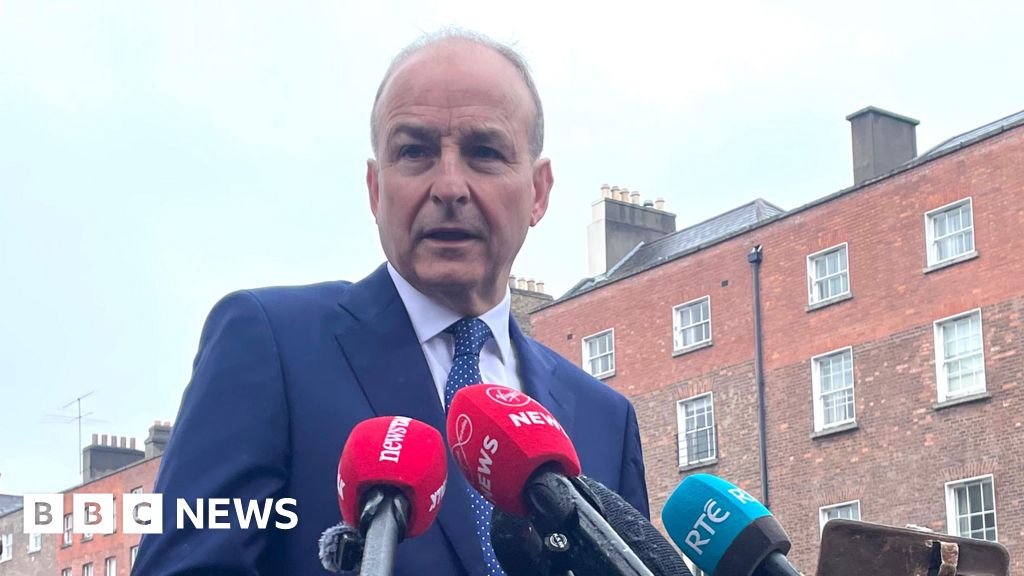
The Irish parliament is set to back the government's confidence motion after last week's fuel protests and blockades disrupted fuel depots and motorways nationwide. Junior minister Michael Healy-Rae will resign, while opposition leader Mary Lou McDonald is pressing for a general election and criticizing the government's handling of fuel costs. The article points to political tension and policy backlash, but it is primarily a domestic political event with limited direct market impact.
This is less a market event than a governance stress test with near-term spillovers into transport, logistics, and domestically exposed Irish assets. The immediate economic channel is not headline fiscal spending, but confidence: if the coalition looks brittle, ministries will become more defensive on energy-cost relief, wage issues, and regulatory enforcement, which raises the probability of slower execution on supply-side fixes. That matters for sectors relying on predictable permitting and road/port flow, where even short disruptions can create outsized inventory and delivery noise.
The second-order winner is any business model that can pass through disruption costs quickly; the loser set is narrower but more exposed to margin compression in the next 1-2 quarters if protests reappear. Ferry, trucking, and last-mile operators face the most asymmetric risk because a small number of blockades can impose large indirect costs via missed slots, overtime, and rerouting. On the policy side, a government that survives on a thin margin often compensates by overcorrecting with populist measures, which can distort fuel taxation and subsidy expectations for months.
The contrarian point is that the market may be overestimating the probability of regime change while underestimating the probability of policy drift. Even if the cabinet survives, the signal is that coalition discipline is weak, so the more tradable outcome is not an immediate election but a slower, less coherent fiscal response into the next budget cycle. That tends to be negative for domestic sentiment, but it can also cap the upside in fuel-sensitive inflation if authorities lean harder on relief measures than the opposition expects.
AI-powered research, real-time alerts, and portfolio analytics for institutional investors.
Overall Sentiment
mildly negative
Sentiment Score
-0.15
