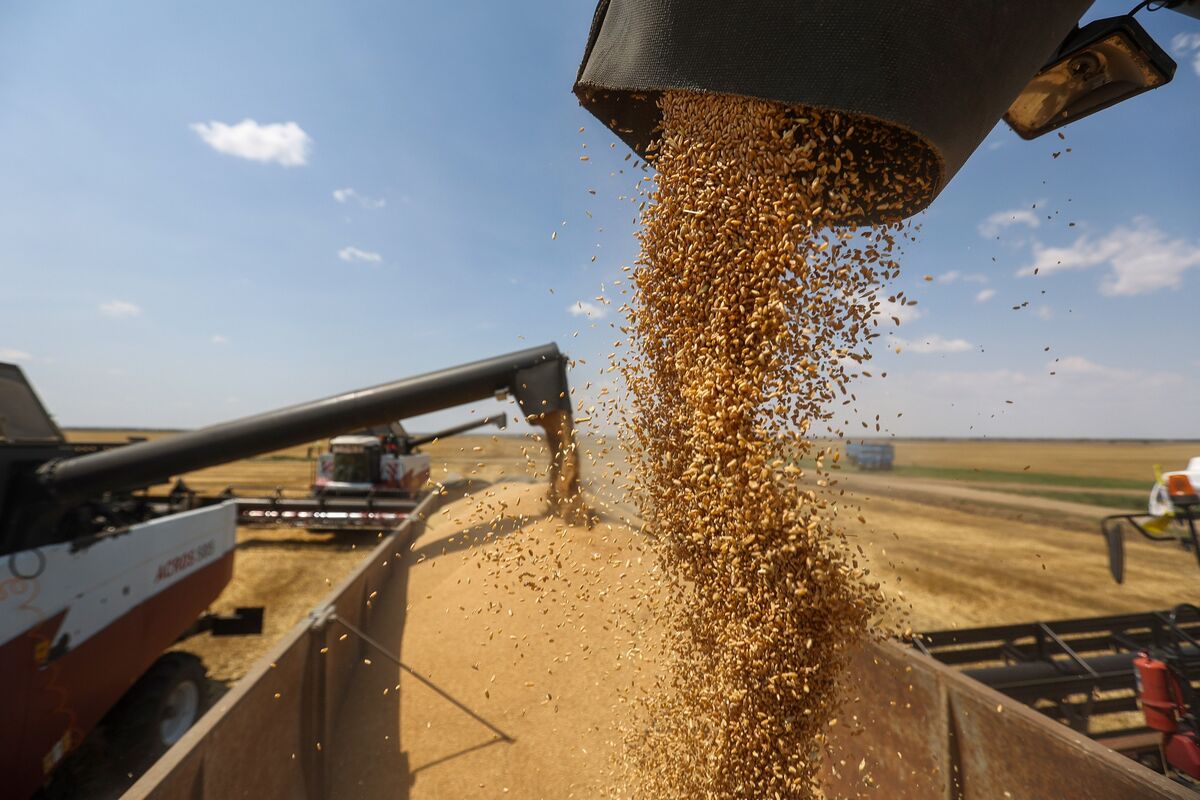
Russian officials, including Deputy Prime Minister Dmitry Patrushev, have engaged in discussions with major grain traders to address a sluggish start to the wheat export season. To boost shipments from the world's top wheat exporter, a key proposal under consideration involves subsidies for rail transport of grain to ports. This government intervention signals an effort to increase Russia's presence in global agricultural markets, potentially influencing international wheat supply and pricing.
Russian officials are actively addressing a sluggish start to the wheat export season through direct engagement with major grain traders. The involvement of high-level figures like Deputy Prime Minister Dmitry Patrushev in at least two rounds of talks underscores the government's intent to stimulate shipments from the world's top wheat exporter. The primary proposal under consideration is a subsidy for rail transport to ports, a direct intervention aimed at lowering logistical costs and enhancing the competitiveness of Russian grain on the global market. While these are currently just discussions, as reflected by the neutral sentiment score, the potential implementation of such a policy carries a medium market impact. A successful state-backed effort to accelerate exports could significantly increase the supply of Russian wheat available to international buyers, thereby influencing global commodity pricing and trade flows.
AI-powered research, real-time alerts, and portfolio analytics for institutional investors.
Request DemoOverall Sentiment
neutral
Sentiment Score
0.05
