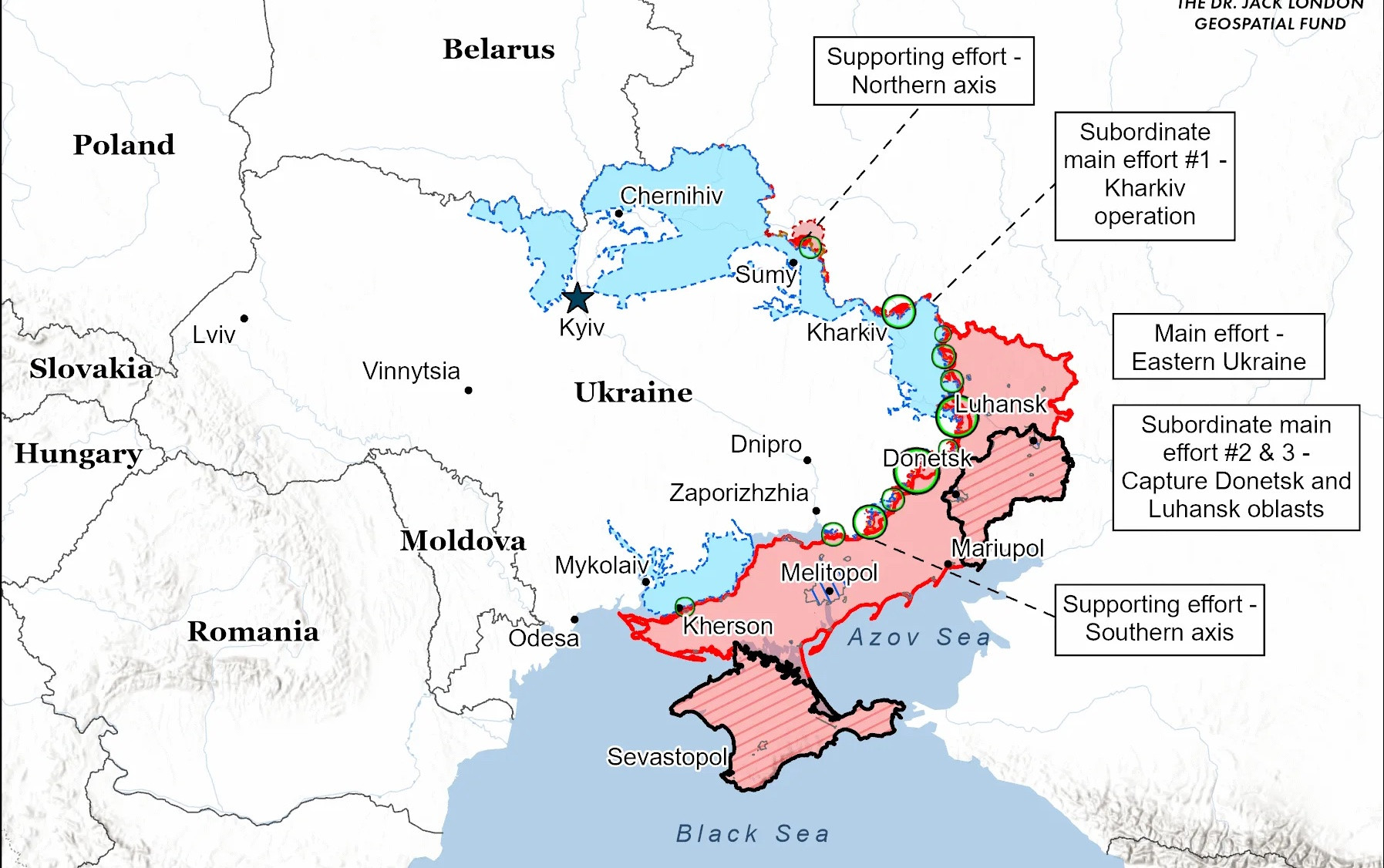
Russia launched 6 missiles and 141 drones overnight while Ukraine reported strikes on Russian oil infrastructure in Ryazan, naval assets in Dagestan, and aircraft in Krasnodar. Zelensky warned that Russia has been reconnoitering decision-making centers near Kyiv for possible future strikes, raising escalation risk. The article also flags that any sanctions relief for Russia, especially alongside slower Patriot interceptor supplies to Ukraine, would increase the threat from Russian missile attacks.
The market implication is less about battlefield headlines and more about the interaction between degraded air defense capacity and sanctions trajectory. If Moscow senses a higher probability of penetrating strikes on Kyiv decision nodes while Western interceptor stocks thin, the rational response is to widen targeting to logistics, power, and command layers—raising the tail risk of infrastructure disruption across Ukraine over the next 1-3 months. That translates into a harder operating environment for any reconstruction or Ukraine-exposed credits, while also increasing the probability of episodic risk spikes in European defense and energy pricing.
The more important second-order effect is that Russia is trying to create a domestic narrative of resilience precisely when the underlying economy is likely becoming less elastic. If sanctions relief arrives before meaningful battlefield leverage shifts, Moscow would get a near-term financing and import-relief boost without resolving the structural constraints on capital equipment, industrial inputs, and labor. That would extend the war rather than end it—bullish for defense procurement and ammunition supply chains, but negative for any cyclical Russia-exposed or sanctions-sensitive trade normalization thesis.
The prisoner exchange and local Ukrainian advances matter mainly as indicators that both sides still have incentives to manage escalation tactically even as strategic attrition continues. A ceasefire framework is therefore not the base case; the more likely path is intermittent diplomacy layered on top of intensifying strike warfare. The contrarian read is that the current market may be underpricing how quickly a change in Western air-defense deliveries can alter Ukraine’s survivability curve, especially if Russia successfully maps high-value targets for future strikes.
AI-powered research, real-time alerts, and portfolio analytics for institutional investors.
Request DemoOverall Sentiment
mildly negative
Sentiment Score
-0.35
