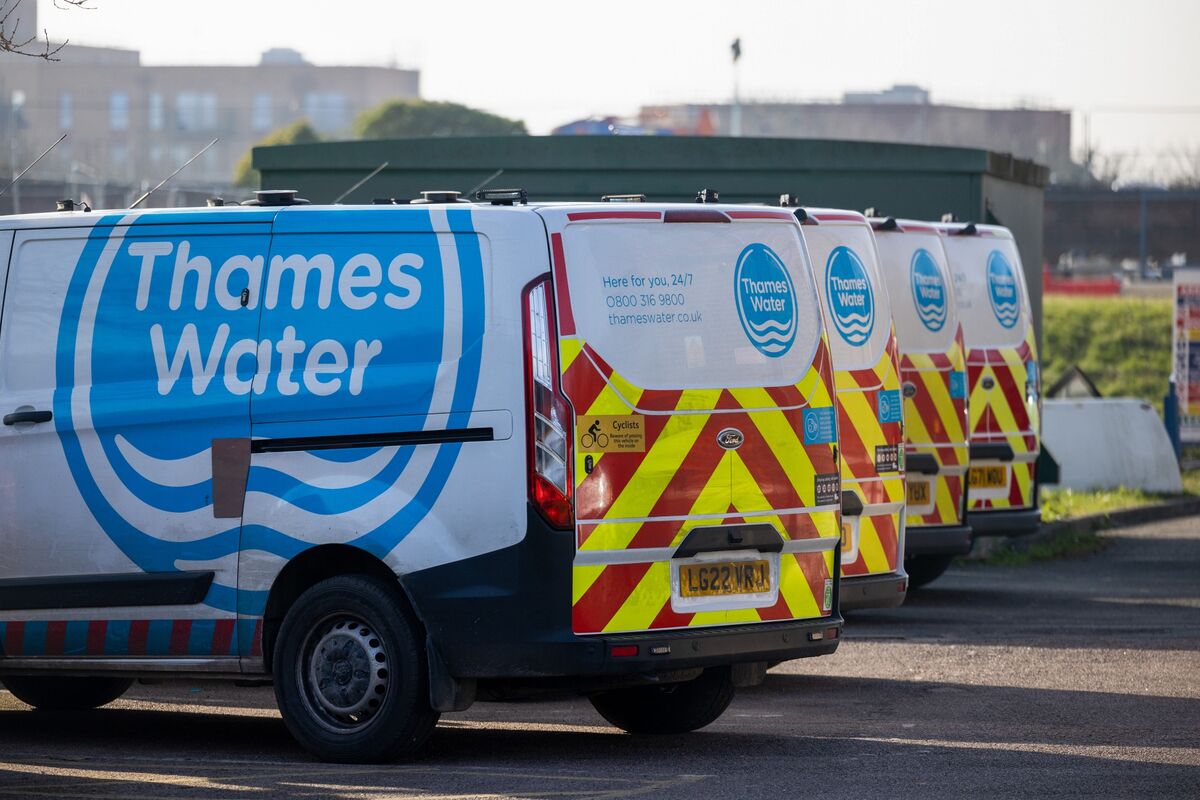
Thames Water announced that KKR & Co. has withdrawn from its equity raising process, causing its preferred partner status to lapse. Consequently, Thames Water intends to advance discussions regarding its senior creditors’ plan with Ofwat and other stakeholders, signaling a shift in its approach to securing necessary funding.
The withdrawal of KKR & Co. from Thames Water's equity raising process, confirmed by the utility, signifies a critical juncture for the company's financial restructuring. With KKR's preferred partner status now lapsed, Thames Water's stated intent to "progress discussions on the senior creditors’ plan with Ofwat and other stakeholders" signals a notable shift away from an anticipated equity injection towards a potentially more arduous path involving its debt holders. This development, reflected in a strongly negative sentiment score of -0.65 and a pessimistic tone, underscores the heightened uncertainty surrounding Thames Water's ability to secure necessary funding and achieve financial stability, directly impacting its company fundamentals and ongoing restructuring efforts.
AI-powered research, real-time alerts, and portfolio analytics for institutional investors.
Request DemoOverall Sentiment
strongly negative
Sentiment Score
-0.65
Ticker Sentiment
