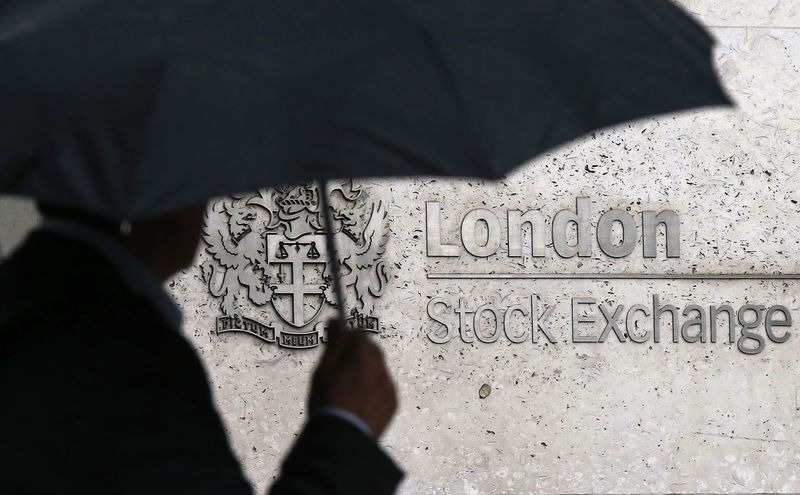
U.S.-Iran tensions escalated after Trump said Washington had taken custody of an Iranian-flagged vessel near the Strait of Hormuz and warned of possible military escalation, while Iranian officials signaled retaliation. The risk-off move hit European equities, with the FTSE 100 down 0.4%, DAX down 1.1%, CAC 40 down 1%, and GBP/USD slipping to 1.3512. Oil prices rebounded sharply on renewed fears of shipping disruption through the Strait, adding to inflation concerns. Separately, M&C Saatchi cut 2025 like-for-like operating profit 26.1% and cancelled its final dividend, while Plus500 and Mulberry Group reported stronger trading updates.
The first-order move is a risk premium shock, but the more durable impact is a repricing of delivery reliability across the entire Gulf-linked supply chain. Even if physical flows are not materially interrupted, insurers, charterers, and refiners will widen contingencies quickly; that raises landed crude costs into Europe and Asia, squeezes airline and chemical margins, and can create a lagged inflation impulse that markets underprice in the first 1-2 weeks.
The second-order winner set is broader than energy: U.S.-listed defense, maritime security, cyber, and surveillance vendors should see budget urgency accelerate if the standoff persists into month-end. The loser set is more immediate in UK/Europe than in the U.S. because the region has less energy self-sufficiency and more duration sensitivity in cyclicals; that means European industrials and consumer names can underperform even if the headline oil move later retraces.
The key contrarian point is that consensus may be too focused on a binary shipping-disruption headline and not enough on escalation management. If the U.S. signals a controlled off-ramp within days, crude can mean-revert sharply because speculative length has likely already crowded in; if that happens, the unwind will hit high-beta energy and defense proxies fastest. But if Tehran responds through proxy attacks rather than direct naval escalation, the market may stay in a prolonged risk-premium regime for weeks, which is worse for airlines, transport, and Europe-facing equities than a one-day spike suggests.
Corporate takeaways matter: companies with discretionary Middle East exposure and weak near-term demand visibility are vulnerable to guidance cuts, while firms benefiting from volatility itself can monetize the stress. The market is likely underestimating how quickly rising fuel and shipping costs flow through to 2Q/3Q margins, especially for businesses that already flagged soft consumer demand; that makes this more than a commodity story and less than an immediate macro crash.
AI-powered research, real-time alerts, and portfolio analytics for institutional investors.
Request DemoOverall Sentiment
strongly negative
Sentiment Score
-0.72
