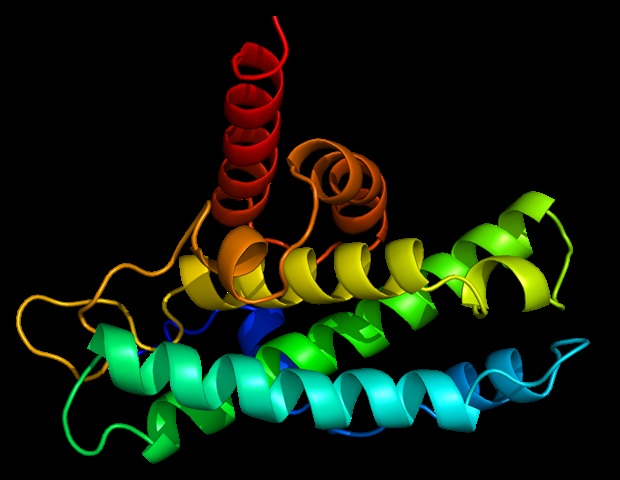
Scripps Research reports a blood-based protein-structure assay that classifies cognitive status with ~83% overall accuracy (and >93% in two-way healthy vs MCI comparisons) using a three-protein panel (C1QA, clusterin, apolipoprotein B) in 520 plasma samples. Repeat samples months apart showed ~86% classification accuracy and the structural score correlated with cognitive scores and MRI atrophy; the method outperformed concentration-only protein measures but requires larger, longer validation before clinical deployment — relevant to diagnostics and biotech companies targeting Alzheimer’s testing.
This structural-proteomics signal is a modality shift more than a single biomarker — it favors players who control high-throughput wet‑lab workflows, instrument fleets and recurring consumables rather than one-off reagent makers. Because the competitive advantage will lean on large labeled cohorts and proprietary ML models, incumbents who can rapidly incorporate the assay into national lab networks will capture most early economic value. Expect meaningful M&A interest from diagnostics and instrument groups looking to buy cohort access and regulatory work already completed.
Patents will matter less than data moats and CLIA/CE/510(k) pathways; that changes who wins. Instrument vendors (and their consumables streams) gain operating leverage as adoption scales, while small immunoassay specialists face margin pressure if clinical labs standardize on mass‑spec pipelines. The downstream second‑order beneficiaries include CROs, biobanks and software/ML vendors that provide sample QC and longitudinal analytics needed for payors to accept earlier screening.
Key risks are validation failure across diverse populations, slower payer adoption, and pre‑analytic variability that undermines reproducibility — any one could stall commercial uptake by 12–36 months. Near‑term catalysts to watch are large external validation readouts, partnership announcements between assay developers and major labs, and early reimbursement codes; long horizon (3–5 years) is required for guideline inclusion and therapeutic market expansion. Given those timelines, capital intensity and execution are the primary value drivers, not scientific novelty alone.
AI-powered research, real-time alerts, and portfolio analytics for institutional investors.
Request DemoOverall Sentiment
moderately positive
Sentiment Score
0.35
