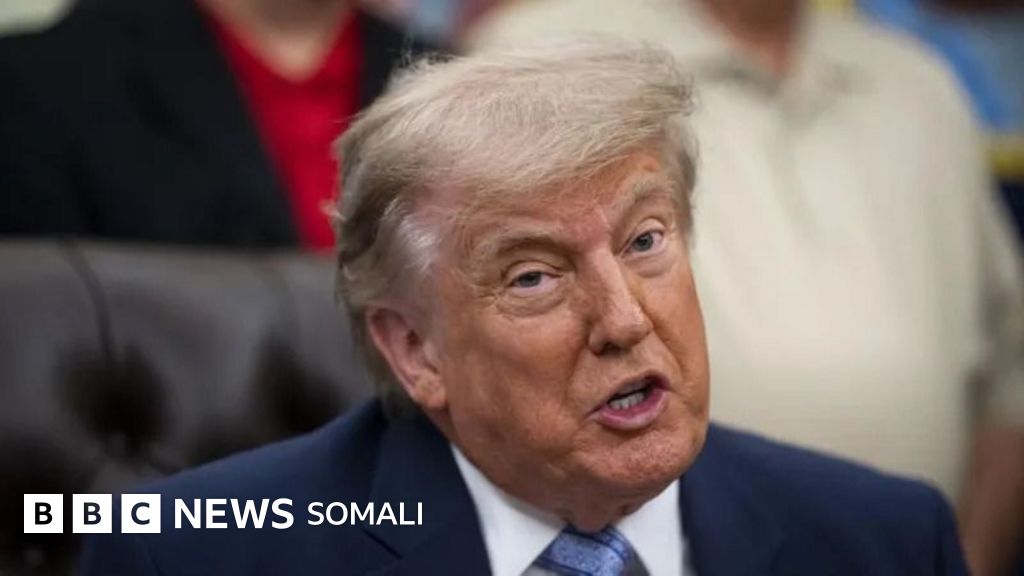
Trump said a broad U.S.-Iran agreement is being discussed and could soon be announced, with the reopening of the Strait of Hormuz included in the deal. Iran said U.S. and Iranian positions have moved closer, but key issues remain unresolved and a 14-point framework is still being finalized over the next 30-60 days. The article also notes ongoing regional military tensions, shipping disruptions, and potential new U.S. strikes, making the situation highly market-relevant for oil, shipping, and Middle East risk assets.
The market should treat this as a volatility event, not a clean de-escalation. Even if the rhetoric is real, the operational bottleneck is enforcement: any loosening around Hormuz would immediately compress the geopolitical risk premium in crude and freight, but the premium can reappear overnight if talks stall or hardliners reassert control. The first-order winner is not “peace” but higher throughput certainty for the global system; the second-order loser is anyone long disruption hedges that were built for a sustained blockade scenario.
Energy is where the reflexivity matters most. A credible path to reopening or even partial normalization of the strait would likely hit prompt crude, Gulf tanker rates, and downstream crack spreads in Asia/Europe before it affects longer-dated contracts, because physical barrels and shipping capacity reprice fastest. Conversely, if the headline proves premature, the downside in oil may be limited by the fact that positioning will already have unwound on the announcement, while the upside re-accelerates quickly on any indication that military options are back on the table.
The more interesting second-order effect is on logistics and defense. Lower shipping insurance and rerouting costs would benefit broad container and product tanker names, but it also relieves pressure on Gulf importers and Asia refiners that had been forced into inefficient sourcing and longer voyages; that argues for a modest bullish tilt to EM current accounts and airline margins with a lag of weeks to months. The contrarian miss is that a ‘framework’ deal can still be bearish for risk assets if it legitimizes a higher-for-longer sanction regime: markets may celebrate reduced tail risk while underestimating that partial normalization can leave compliance frictions, payment frictions, and residual supply constraints intact.
AI-powered research, real-time alerts, and portfolio analytics for institutional investors.
Request DemoOverall Sentiment
neutral
Sentiment Score
0.05
