




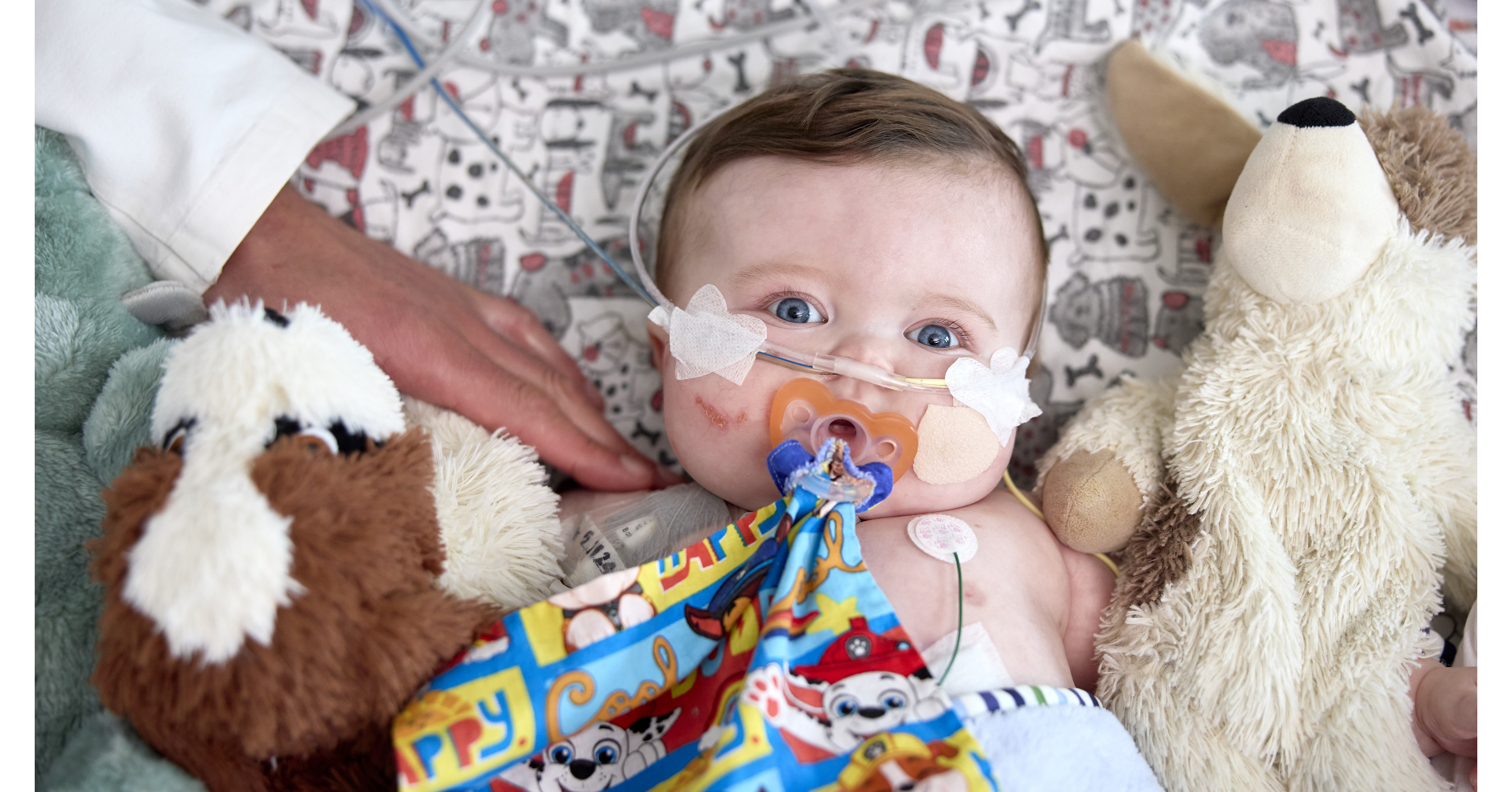
The BOND trial (Building Optimal Strategies to Enhance Parent and Infant Wellbeing in Congenital Heart Disease) will recruit 350 families across 12 Pediatric Heart Network centers and five additional heart centers over the next three years, beginning this summer. The study will test (1) HeartGPS—telemedicine psychological support for parents after prenatal CHD diagnosis and through the first year—and (2) a clinical breastfeeding guideline during/after cardiac intensive care. Expected outcomes include lower parental anxiety/depressive symptoms/traumatic stress and improved parent-infant bonding and infant development; the program is positioned as prevention science to address high unmet mental health and bonding needs in CHD families.
This is not a direct revenue event for any listed name, but it is a useful signal for where pediatric care standards may drift: earlier psychosocial intervention, telehealth-enabled behavioral support, and stronger lactation/developmental services around high-acuity neonatal episodes. The economic value, if any, accrues first to hospital systems and care-coordination vendors that can package these services into reimbursable workflows; the initial burden falls on centers that must add specialist labor without clear payment. In the near term, that argues for only a very modest read-through to pediatric hospital operators and tele-mental health platforms, not a catalyst for the tickers provided.
The bigger second-order effect is competitive differentiation. Large children’s hospitals and integrated health systems with existing maternal-fetal and behavioral health infrastructure can standardize this faster and potentially improve quality metrics, length-of-stay, and family satisfaction scores; smaller centers may look less complete and lose referral flow over time. If the trial later supports guideline changes, expect a slow burn into payer policy and grant-funded care models rather than an immediate commercial spend wave.
Contrarian view: consensus may overestimate the near-term monetization of “supportive care” and underestimate reimbursement friction. A positive trial would be meaningful clinically, but it is still 1-3 years from data that could move practice, and 6-18 months from any broader adoption. The key falsifier for any bullish read-through is lack of reimbursement language or operational uptake in follow-on hospital budgets; without that, this stays an academic signal, not an investable catalyst.
AI-powered research, real-time alerts, and portfolio analytics for institutional investors.
Request TrialOverall Sentiment
mildly positive
Sentiment Score
0.18
Ticker Sentiment
