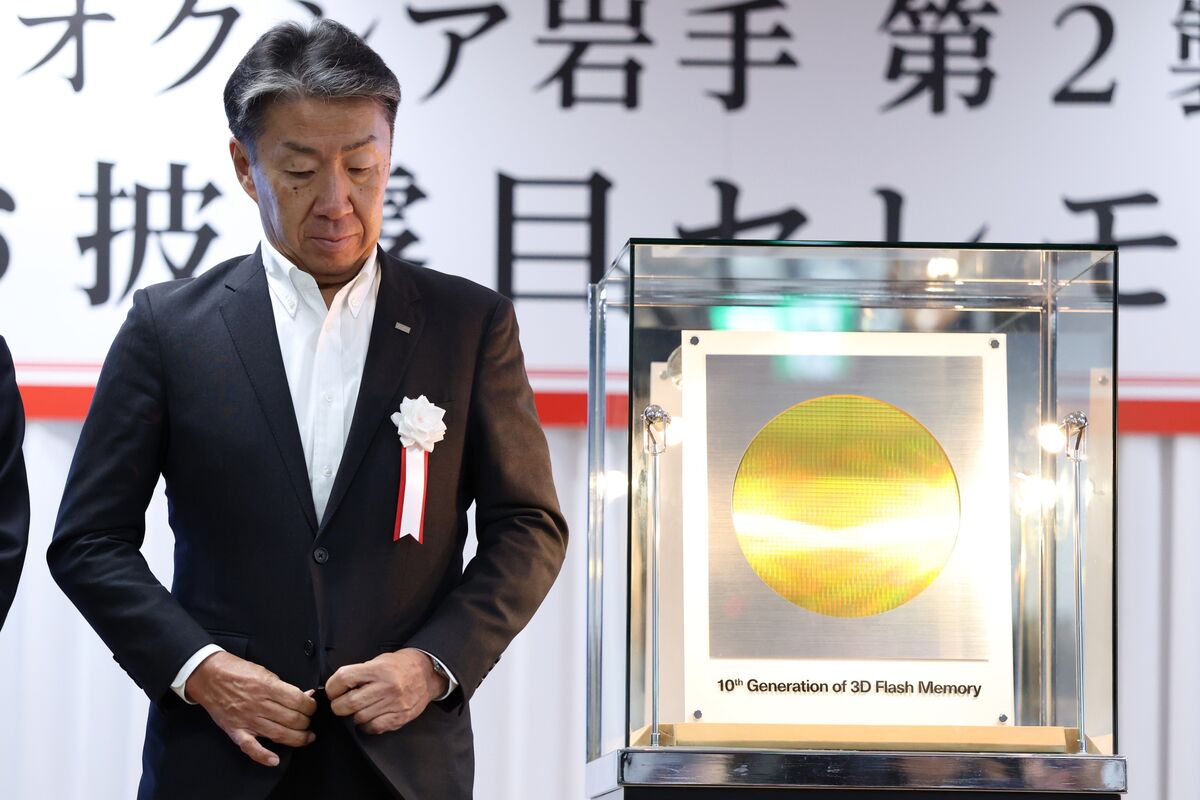
The piece spotlights Japan’s pivotal role in the AI supply chain, emphasizing the country’s strength in AI-related hardware production, but provides no specific financial figures. It also notes a yen move tied to Finance Minister Satsuki Katayama, without detailing the magnitude. Overall, this is thematic and observational rather than a clear catalyst for earnings or guidance.
The investable read-through is not “Japan” broadly; it is a narrow set of hardware bottlenecks that sit between AI capex and deployed compute. That favors the picks-and-shovels layer with pricing power and long lead times, while leaving broad Japanese equities vulnerable to being overbid for a story they do not all participate in. The market usually rerates these names first on narrative, but the durable move only holds if order books and lead times stay tight through the next two reporting cycles.
The second-order FX effect matters as much as the AI angle. A weaker yen improves reported earnings for dollar-linked exporters, but it also increases import costs and can squeeze domestic-demand names, so the winners should remain concentrated in firms with global revenue and low local-input intensity. If policymakers push back harder on yen weakness, the fastest fade is in the broad Japan beta trade, not necessarily in the semiconductor-tooling cohort.
Over 1-3 months, the key catalyst is guidance from capex-intensive customers and equipment vendors; if hyperscaler spending or memory pricing rolls over, these high-beta suppliers will de-rate quickly. Over 6-18 months, the structural question is whether Japan is a durable choke point in the AI buildout or just an interim beneficiary of one capex cycle. Consensus may be underestimating how cyclical the “AI supply chain winner” trade is: these businesses can have excellent earnings leverage, but that also means very little margin for a pause in orders.
The contrarian risk is that investors generalize the AI story into a blanket Japan trade and pay up for the wrong exposure. The more durable alpha is in the narrow industrial/semicap stack, while the broad market could give back gains if the yen rebounds, policy rhetoric tightens, or global risk appetite softens.
AI-powered research, real-time alerts, and portfolio analytics for institutional investors.
Request DemoOverall Sentiment
neutral
Sentiment Score
0.00
Ticker Sentiment
